
Stuxnet: the malware that compromised nuclear security and forever changed the way we look at cybersecurity
The impact of advanced malware on cybersecurity and the nuclear industry.

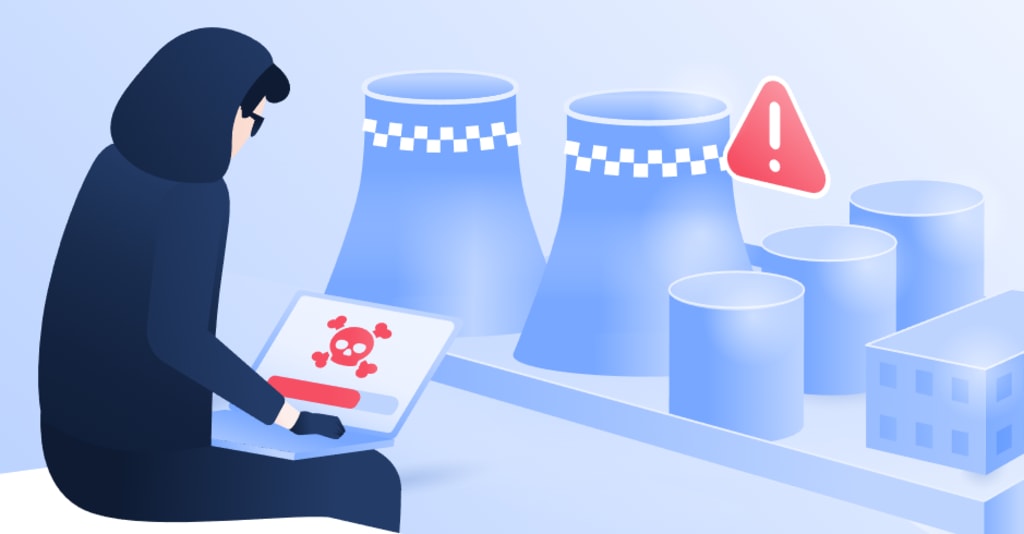
What is Stuxnet?
Stuxnet is a computer worm designed and deployed to attack Iranian nuclear facilities. The target of Stuxnet, possibly the world's first cyber-weapon to affect physical infrastructure, was Iran's nuclear centrifuges, and it damaged and destroyed key military capabilities and caused major disruptions to Iran's nuclear program.
Although it has never been officially revealed who created Stuxnet, it is believed that the worm was jointly developed by the U.S. and Israeli governments. Increasingly concerned about the progression of Iran's nuclear weapons program, the two governments discussed a range of options, including air strikes against atomic research and development centers.
How was Stuxnet created?
Stuxnet is a sophisticated malware believed to have been created by an alliance between the U.S. and Israeli governments. It was designed to infect and sabotage computer-controlled industrial systems, particularly those used at Iran's Natanz nuclear power plant. The exact creation and purpose of Stuxnet is still the subject of speculation, but it is believed to have been intended to interfere with the Iranian nuclear program.
The resulting Stuxnet worm was a revolution in its level of complexity, even though it was designed in much the same way as any other malicious worm designed to self-replicate on networks. Once embedded, the malware can be used to steal data, install back-door access to systems or, as in the case of Stuxnet in Iran, implant bots to take control of the entire system configuration.
Is Stuxnet a virus?
Yes, Stuxnet is a virus. More specifically, it is considered a computer worm, as it spreads through the network and affects multiple systems. Unlike other viruses, Stuxnet was specifically designed to attack computer controlled industrial systems (SCADA), and is believed to have had a significant impact on Iran's Natanz nuclear power plant. Stuxnet is considered one of the most sophisticated and destructive viruses ever created.
Unlike viruses, which need a file or host program to activate and self-replicate, worms are self-sufficient. In other words, worms self-replicate without the need for external input, such as a host file or program, making them a particularly sophisticated and dangerous cyber threat.
How did Stuxnet spread?
Stuxnet spread through several vectors, including:
Software vulnerabilities: Stuxnet exploited vulnerabilities in industrial computer controlled industrial systems (SCADA) software to infect and spread to other systems.
USB devices: Stuxnet also spread through infected USB devices that were connected to vulnerable systems.
Computer networks: Once installed on a system, Stuxnet spread through internal networks to infect other connected systems.
Importantly, Stuxnet was highly targeted and selective in its spread, and only spread to specific SCADA systems that met certain criteria. This indicates a great deal of research and planning on the part of Stuxnet's creators.
Since the system that manages Iran's nuclear enrichment program was physically isolated (disconnected from the Internet), the infection should have been contained. But somehow Stuxnet ended up on computers connected to the Internet and spread quickly, allowing a third-party group to access the code.
What does the Stuxnet worm do?
Once introduced into a network, the Stuxnet malware spread rapidly, exploiting previously unknown zero-day vulnerabilities in the Windows operating system to jump from one computer to another. But the computers infected in the 2010 Stuxnet zero-day attack were not the worm's ultimate target, but mere vehicles to reach the hardware they controlled.
After infiltrating Iran's nuclear enrichment facilities, Stuxnet went after computers connected to the programmable logic controllers (PLCs) that interface with and control centrifuges and other industrial machinery involved in the production of weapons-grade nuclear material.
The worm then altered the PLCs' code to make the centrifuges spin too fast and for too long, as well as sending false data to make it appear as if everything was running normally. This caused significant damage to sensitive instruments, and temporarily disrupted Iran's nuclear program.
What happened with Stuxnet?
Stuxnet was discovered in June 2010 by computer security researchers. Since then, it has been extensively analyzed and studied by cyber security experts and has been used as an example of how malware can affect computer controlled industrial systems (SCADA).
Following its discovery, many SCADA systems took steps to protect against Stuxnet-like attacks, including implementing enhanced security measures and updating software.
In terms of its impact, Stuxnet is believed to have caused a great deal of damage to Iran's Natanz nuclear power plant, disrupting and damaging critical equipment used in the production of fissile material. However, the full extent of the damage caused by Stuxnet is still disputed and the subject of speculation.
In summary, Stuxnet is a reminder of the importance of cyber security and the need to protect critical systems against cyber attacks.
How to protect yourself from malware attacks
Here are some tips to protect against malware attacks:
Keep software up to date: Install security updates for all programs and operating systems.
Use reliable antivirus software: Install up-to-date antivirus software and regularly scan your computer.
Don't click on suspicious links or download suspicious files: Be wary of unknown emails and downloads, especially if they contain attachments or links to suspicious websites.
Regular data backup: Back up your important data on a regular basis to protect it in case of a successful malware attack.
Use a secure Internet connection: Connecting to the Internet through a virtual private network (VPN) or using a secure Wi-Fi network can help protect your information and prevent malware attacks.
Don't share personal information: Be cautious about sharing personal information online, especially on untrusted websites.}
Use strong passwords and change them regularly: Use strong passwords and change them regularly to prevent attackers from accessing your accounts.
Following these tips can help protect your computer and data against malware attacks. However, it is important to keep in mind that cyber attacks are constant and evolving, so it is important to stay informed and up-to-date on the latest threats and protection techniques.
In conclusion, Stuxnet is a sophisticated and highly advanced malware that was designed to attack specific industrial systems. It was one of the first examples of "military-style attack" type malware and its impact on the Iranian nuclear industry demonstrated the potency of cyber attacks. Although its existence and purpose remains a matter of debate, Stuxnet has been widely discussed and studied as an important case study in cybersecurity. This has led to increased awareness of the importance of protection against malware attacks and the need to have robust and effective security measures in place to protect critical systems.
About the Creator
diego michel
I am a writer and I love writing
Keep reading
More stories from diego michel and writers in 01 and other communities.
Aztec Civilization
The Aztec Empire (c. 1345-1521) covered at its greatest extent most of northern Mesoamerica. Aztec warriors were able to dominate their neighbouring states and permit rulers such as Montezuma to impose Aztec ideals and religion across Mexico. Highly accomplished in agriculture and trade, the last of the great Mesoamerican civilizations was also noted for its art and architecture.
By diego michel4 years ago in 01
The Future of Productivity Is Voice
Introduction The future of Productivity is rapidly shifting toward voice. In 2026, advanced AI technology allows Virtual Assistants to do more than follow commands — they understand context, anticipate needs, and help you manage your day effortlessly. Speaking to your assistant is faster, more natural, and often more efficient than typing or clicking.
By MUHAMMAD SHAFIE7 days ago in 01
The Rise of AI Presentation Tools: Transforming the Way We Create Slides
Artificial intelligence is quietly reshaping how we work, learn, and communicate. One area where this shift is especially noticeable is presentation design. Creating slides used to mean hours of formatting, arranging content, and adjusting visuals. Today, AI-powered tools are simplifying that process, helping users turn ideas into polished presentations in a fraction of the time.
By charliesamuel4 days ago in 01
The BAFTA Awards
By now, in a stunning departure from recent years, most of the world is aware of what happened at the BAFTA film awards. Social Media Headlines will tell you the bare bones: that John Davidson, a Tourette's Syndrome advocate, shouted a racial slur at two Actors of Colour, Michael B Jordan and Delroy Lindo.
By Natasja Rose5 days ago in Psyche




Comments
There are no comments for this story
Be the first to respond and start the conversation.