
Strategic Evolution of the Tannin Market
Trends, Applications, and Sustainable Pathways Shaping a Bio-Based Industry

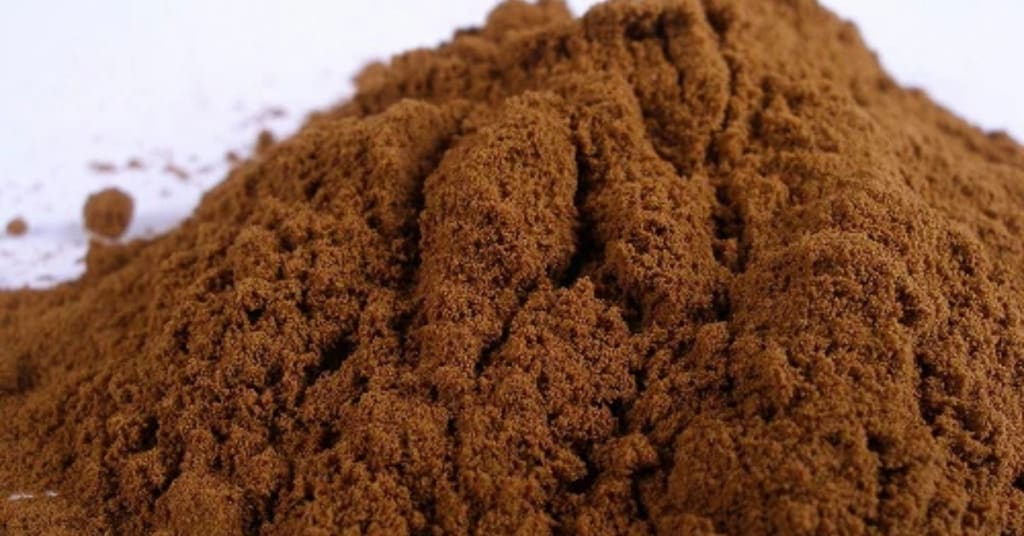
The global Tannin Market is currently undergoing a significant paradigm shift as industrial sectors pivot toward bio-based alternatives to synthetic chemicals. This shift is driven by a heightened regulatory focus on environmental sustainability and a growing consumer preference for natural ingredients in everything from leather goods to high-end beverages. As a complex class of polyphenolic biomolecules found in various plant tissues—ranging from oak and chestnut to mimosa and quebracho—these compounds have transcended their traditional role in the tanning of hides to become essential components in modern water treatment, animal nutrition, and pharmaceutical synthesis.
I. Botanical Origins and Extraction Methodologies
The supply chain of this industry is deeply rooted in the sustainable management of forest resources. The extraction of these complex organic substances involves sophisticated leaching processes where wood chips, bark, or seed husks are treated with hot water to yield high-purity extracts.
Major Sources of Vegetable Extracts
Quebracho: Derived from the hardwood of South American forests, this source provides highly condensed structures favored for high-durability leather applications.
Mimosa (Wattle): Predominantly sourced from African and Australian plantations, it is valued for its light color and rapid penetration properties in industrial processes.
Chestnut and Oak: European staples that provide hydrolyzable variations, essential for the nuanced flavoring of wines and the clarification of beverages.
Green Extraction Technologies
The industry is moving toward "green chemistry" protocols. Modern facilities now utilize ultrasonic-assisted extraction and membrane filtration to increase yield while reducing energy consumption and the use of harsh solvents, ensuring the final powder or liquid is as close to its natural state as possible.
II. The Leather Industry: A Modern Transformation
While one of the oldest applications for these vegetable-derived substances, the leather sector remains a dominant force. However, the nature of this demand is changing.
Chrome-Free Movement: Environmental regulations (such as REACH in Europe) are pushing manufacturers away from heavy metal tanning (chromium) toward "wet white" or fully vegetable-tanned leather.
Luxury Demand: The high-end fashion and automotive sectors increasingly market "veg-tan" products as a premium, biodegradable alternative to traditional synthetic leathers, driving a resurgence in traditional pit-tanning techniques.
III. Innovations in Animal Nutrition and Gut Health
One of the most dynamic growth areas for these polyphenolic derivatives is in the agricultural sector, specifically as a replacement for antibiotic growth promoters (AGPs).
Antimicrobial Properties
Research has demonstrated that specific concentrations of these natural astringents can inhibit the growth of pathogenic bacteria like E. coli and Salmonella in the digestive tracts of livestock. This bio-active functionality helps maintain gut integrity without the risk of developing antibiotic resistance.
Ruminant Efficiency
In dairy and beef production, these compounds are used to protect dietary proteins from degradation in the rumen. By allowing more protein to reach the abomasum and small intestine for absorption, farmers can improve feed conversion ratios and reduce methane emissions, directly addressing the carbon footprint of the meat industry.
IV. Enological and Beverage Applications
In the world of viticulture and brewing, these biomolecules are indispensable tools for structural balance and shelf-life extension.
Wine Clarification: Hydrolyzable extracts are used to precipitate proteins and clarify wines, reducing the need for mechanical filtration.
Flavor Profiles: Beyond preservation, "enological additives" contribute to the organoleptic properties of wine, enhancing astringency, color stability, and the overall "mouthfeel" of premium vintages.
Antioxidant Action: They act as natural scavengers of free radicals, protecting the beverage from premature oxidation during the aging process.
V. Industrial Water Treatment and Adhesives
The chemical versatility of these plant-based polymers has opened doors to heavy industrial applications, particularly in environmental remediation.
Natural Coagulants
In wastewater treatment, modified polyphenols are used as bio-coagulants. Unlike aluminum or iron salts, these natural alternatives produce less sludge and are fully biodegradable, making them ideal for treating water in sensitive ecosystems or food-grade processing plants.
Bio-Adhesives and Resins
The wood-processing industry is increasingly looking at "tannin-based resins" as a formaldehyde-free alternative for bonding plywood and particle boards. These resins offer high thermal stability and water resistance while eliminating the off-gassing of volatile organic compounds (VOCs) in residential buildings.
VI. Regional Market Dynamics
The global landscape of production and consumption is geographically diverse, tied to the availability of specific flora.
South America: Argentina and Brazil remain the global hubs for condensed variations (Quebracho), largely serving the export markets in Asia and Europe.
Europe: Italy and France lead the world in the production of chestnut and oak extracts, catering primarily to the enological and luxury leather sectors.
Asia-Pacific: This region is the fastest-growing consumer market, driven by massive textile and leather manufacturing hubs in China, Vietnam, and India, alongside a growing domestic demand for high-quality animal feed.
VII. Economic Outlook and Competitive Landscape
The pricing of these natural raw materials is subject to environmental variables, including forestry cycles and climate change.
Sustainability Certifications: Major players in the industry are increasingly seeking FSC (Forest Stewardship Council) and PEFC certifications to prove to global brands that their extraction processes do not contribute to deforestation.
Consolidation: The market is seeing a trend of vertical integration, where extraction companies are acquiring forestry assets to ensure a stable supply of bark and wood in the face of fluctuating global trade conditions.
VIII. Future Horizons: Pharmaceuticals and Cosmetics
The future of this biopolymer industry lies in high-value, low-volume applications.
Dermatology: The anti-inflammatory and antioxidant properties of these extracts are being integrated into "clean beauty" products, where they serve as natural UV filters and skin-tightening agents.
Nutraceuticals: As the link between polyphenols and cardiovascular health becomes clearer, we expect a rise in dietary supplements featuring standardized plant extracts for human consumption.
IX. Conclusion
The transition toward a circular economy has revitalized interest in botanical chemistry. What was once seen as a traditional byproduct of the forestry industry has evolved into a sophisticated suite of bio-functional tools. By leveraging the inherent defensive properties of plants, modern industry is finding ways to replace petrochemicals in leather, agriculture, and water management. As long as the demand for sustainability remains a primary driver of corporate policy, the utilization of these complex natural polymers will continue to expand into new and innovative frontiers of science and engineering.
About the Creator
Rahul Pal
Market research professional with expertise in analyzing trends, consumer behavior, and market dynamics. Skilled in delivering actionable insights to support strategic decision-making and drive business growth across diverse industries.
Why I Think YouTube Advertising Services and Google Ads Agency Matter?
The spend didn’t explode overnight. That would’ve been easier to catch. What happened instead was slower. Ads kept running. Views kept coming in. Clicks didn’t fall off a cliff. Nothing screamed “stop.” Yet every week, I felt the same pressure when I checked the bank balance.
By Jane Smitha day ago in 01
The Devil's Triangle
The sails ruffled in the breeze as we cruised along. The Sea Breeze was a mid-size catamaran that sailed out of Royal Naval Dockyard in Bermuda. We had booked this trip weeks in advance and were now looking at our Captain, Spike and two boat hands. Paddy and Wilson seemed like nice guys, joking around with the passengers and telling us some stories about Bermuda that only locals would know. Their island accents sounded almost British but they were pleasant to listen to.
By Barbara Gode Wilesa day ago in Fiction




Comments
There are no comments for this story
Be the first to respond and start the conversation.