
Solar Panel Maintenance 101: Keeping Your System Efficient
Solar energy has emerged as one of the most ecological and cost-effective ways to generate electricity.

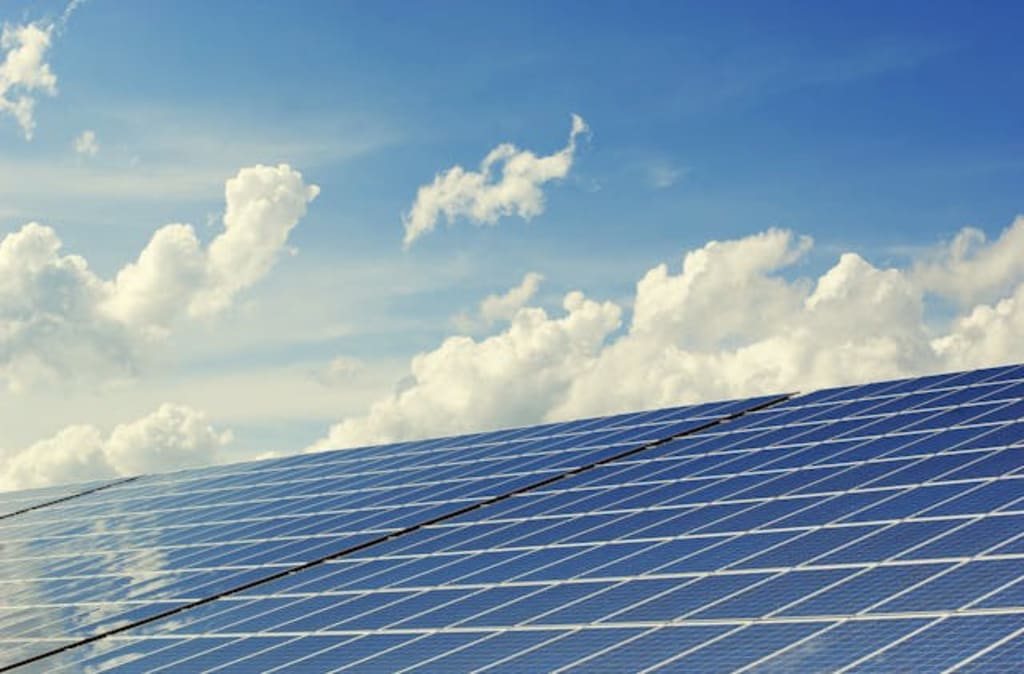
Solar energy has emerged as one of the most ecological and cost-effective ways to generate electricity. Ensuring their lifetime and efficiency becomes increasingly important as more houses and companies make solar panel investments. Effective maintenance of solar panels depends on knowing how to take care of them, so guaranteeing a constant power supply and preservation of their efficiency.
Regular Cleaning to Maintain Performance
One of the most basic maintenance chores is keeping solar panels spotless. Layers of dust, filth, bird droppings, and other trash can cover the surface and lessen sunlight absorption. This barrier can greatly affect energy generation, which would cause inefficiencies and smaller output levels. While some of the dust can be washed away with rain, it is not usually enough to get tough grime out. Often restoration of panels to their best condition requires manual washing using mild soap and water. To avoid scratches likely to permanently harm the surface, soft brushes or non-abrasive sponges should be used. Using filtered or deionized water assists in preventing mineral deposits that could produce streaks or stains, therefore influencing light absorption.
Conducting Routine Inspections
Regular inspections help to find possible problems before they become significant ones. Examining the panels for cracks, discoloration, or other obvious damage guarantees their continued good running order. Examining wiring and electrical connections will also help one find rusted or loose components likely to cause power loss. Monitoring inverters, which are essential in turning solar energy into useable electricity, for warning lights or error messages will help to ensure Mounting structures should also be given top priority in inspections to guarantee their stability against environmental elements like strong winds or heavy rain. Early identification and resolution of problems help to avoid expensive repairs and guarantee continuous energy output.
Monitoring Energy Output
Monitoring energy output allows one to determine the effectiveness of the solar panel installation. Many modern solar projects have monitoring devices that provide real-time power generation data. A sudden decline in energy output can indicate a problem, such as faulty components, dirt collection, or shadowing from nearby structures. Maintaining daily or monthly performance records allows for early detection of any discrepancies. If there is a noticeable decline in efficiency, more investigation should be done to determine the underlying problem. Comparing current performance to historical data ensures that any declines in energy production are promptly addressed.
Preventing Shading and Obstructions
Shading can have a substantial impact on solar panel performance, blocking sunlight and reducing efficiency. Particularly at maximum sunshine, trees, buildings, and other constructions can create shadows that reduce energy generation. Frequent tree pruning and removal of possible obstacles guarantee that the panels have optimal solar exposure. Additionally, causing shading effects and hence reducing energy production are dust and trash gathering at the panel edges. Good solar panel positioning and angling during installation helps to reduce shading-related hazards. For maximum performance, panels should be positioned where they get continuous sunlight all through the day.
Protecting Against Weather Damage
Solar panels are built to resist a variety of weather conditions, but severe temperatures, large storms, and hail can cause long-term damage. Thermal expansion brought on by high temperatures can compromise the lifetime of parts. In colder climates, snowfall can obstruct sunlight, therefore lowering energy generation until the snow melts or is physically removed. While severe winds could loosen mounted buildings, hail can harm surfaces. Reinforced frames and protective coatings serve to shield panels from strong environmental conditions.
Using Advanced Coatings for Longevity
Protective coatings can increase the longevity and efficiency of solar panels by minimizing dirt and water buildup. You can use a hydrophobic coating for solar panels which adds an extra layer of protection by repelling water, dust, and other pollutants. This type of coating reduces the need for frequent cleaning while keeping panels free of impediments that can degrade performance. It also helps to avoid mineral deposits and streaks, which can impede light absorption. Investing in high-quality protective coatings from a reputable manufacturer can considerably extend the life of the panels while maintaining peak efficiency.
Conclusion
Long-term efficiency and dependability depend on maintaining solar panels. Frequent cleaning, inspections, and performance monitoring help to prevent energy losses and hence increase the lifetime of the system. Maintaining electrical components, guaranteeing sturdy mounting, and shielding panels from weather-related damage help to produce continuous power. Reduced collection of dirt and moisture helps advanced protective coatings improve longevity even more. Correct maintenance guarantees that solar panels keep running at maximum efficiency, therefore optimizing energy savings and environmental advantages. These maintenance techniques will help solar energy systems offer affordable and environmentally friendly power for many years to come.
About the Creator
Keep reading
More stories from Miranda Spears and writers in 01 and other communities.
A Guide to Seth Thomas Clock Maintenance
Seth Thomas clocks are prized for their fine craftsmanship and historical importance, making them timepieces beyond the bounds of simple timekeeping-they are historic pieces. With a Seth Thomas, you can feel proud of owning it and, at the same time, responsible because these clocks demand care so that they tick on and continue to keep good time. Whether an antique mantel clock or a classic wall clock, proper maintenance will preserve its beauty and accuracy. Here's the ultimate guide on how to take good care of your Seth Thomas clock so that it will always function and be beautiful for years to come.
By Miranda Spearsabout a year ago in 01
Responsible AI Development Design, Testing, and Governance for Teams
Artificial Intelligence is transforming how enterprises operate — from automation and predictive analytics to intelligent customer experiences. In fact, over 90% of firms use AI in some capacity today, with adoption expanding quickly across departments and workflows.
By Jakob Stanelyabout 21 hours ago in 01
RAG on Mobile: Embedding Vector Databases in Production
The industry is changing. By 2026, we have moved away from cloud AI. We now favor "Local-First" architectures. These systems prioritize user privacy. They offer offline functionality. They also reduce network latency. This shift toward RAG on mobile is a major transition. RAG stands for Retrieval-Augmented Generation. It is a way to give AI better context.
By Devin Rosario5 days ago in 01



Comments
There are no comments for this story
Be the first to respond and start the conversation.