
Selling Gold Jewelry vs. Gold Bullion: Key Differences for Buyers
Understanding Gold Jewelry and Gold Bullion

Article Summary
Gold jewelry and gold bullion cater to different buyer needs. Jewelry, often less pure, is valued for its design, emotional appeal, and use as adornment. Bullion, with near-perfect purity, is a straightforward investment focused on financial gains. Jewelry prices include craftsmanship, while bullion prices align closely with gold's market rate. Buyers should consider their goals, such as investment versus sentiment, when choosing between the two. Tax and resale considerations also differ, making it crucial to plan purchases strategically.
When it comes to purchasing gold, buyers often face a choice between gold jewelry and gold bullion. While both options involve the same precious metal, they differ in many ways. This article explores the key differences to help buyers make an informed decision.
Understanding Gold Jewelry and Gold Bullion
Definition of Gold Jewelry
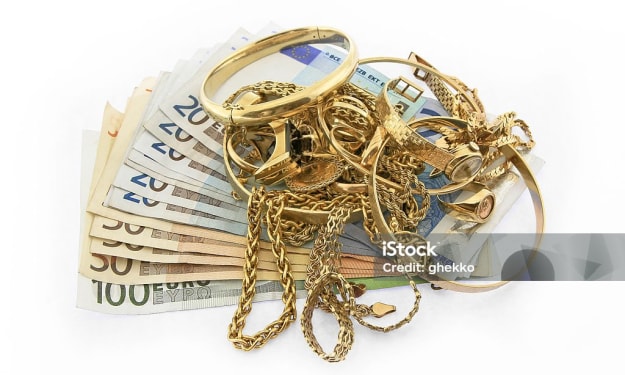
Gold jewelry refers to decorative pieces made from gold, such as rings, necklaces, and bracelets. These items are crafted for personal adornment and often have artistic and sentimental value.
Definition of Gold Bullion
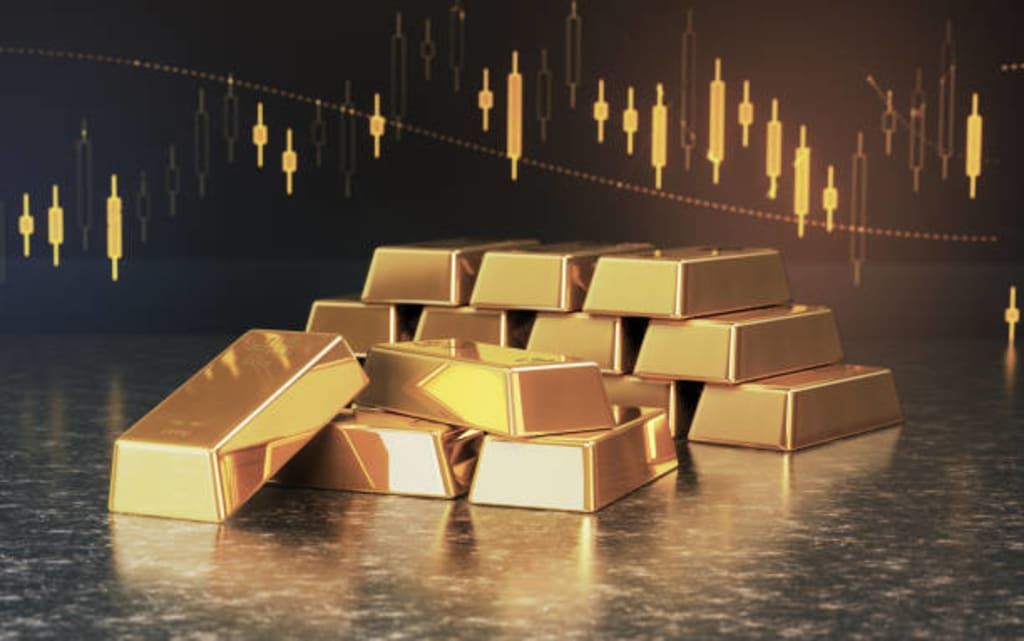
Gold bullion refers to gold in its purest form, usually available as bars or coins. It is primarily purchased as an investment and represents a standard weight and purity.
Purity and Composition
Gold Jewelry Purity
Gold jewelry is often mixed with other metals to improve durability. Common purity levels include 14K, 18K, and 22K, with 24K being the purest but less commonly used for jewelry.
Gold Bullion Purity
Gold bullion typically has a purity of 99.9% (24K). It is often stamped with its weight and purity, ensuring gold buyers know its exact value.
Uses of Gold Jewelry vs. Gold Bullion
Gold Jewelry as a Fashion Item
Gold jewelry is primarily used for personal adornment. It is often gifted during special occasions and holds emotional value for many buyers.
Gold Bullion as an Investment
Gold bullion is mainly bought as a financial asset. Investors purchase it to hedge against inflation or as a safe-haven investment during economic uncertainty.
Price Determination
Factors Affecting Gold Jewelry Prices
The price of gold jewelry depends on factors like craftsmanship, design, and the current market price of gold. Retail markups and additional costs for gems or artistic work also affect the price.
Factors Affecting Gold Bullion Prices
Gold bullion prices are determined by the spot price of gold, which fluctuates daily. There are usually minimal premiums for manufacturing or shipping.
Trading Platforms and Venues
Where to Buy and Sell Gold Jewelry
Gold jewelry can be purchased at jewelry stores, online marketplaces, or auctions. Selling is often done through pawnshops, jewelers, or gold-buying companies.
Where to Buy and Sell Gold Bullion
Gold bullion is available from authorized dealers, banks, and online platforms. It can be sold through the same venues, with transactions often involving minimal negotiation.
Benefits of Buying Gold Jewelry
Emotional Value
Gold jewelry holds sentimental value and can be passed down as heirlooms. It is also a meaningful gift for special occasions.
Potential for Long-Term Appreciation
While primarily a fashion item, gold jewelry’s value can increase over time due to the rising price of gold.
Benefits of Buying Gold Bullion
Gold bullion is an excellent choice for those looking to invest in pure gold. Its high purity and straightforward valuation make it a preferred asset for investors.
Buying Strategies
Considerations for Buying Gold Jewelry
Buyers should check the purity, craftsmanship, and current gold prices. It's also essential to choose reputable sellers and keep receipts for future resale.
Considerations for Buying Gold Bullion
When buying bullion, focus on weight, purity, and market price. Ensure the dealer is certified and offers authentic products with proper documentation.
Selling Gold Jewelry and Gold Bullion
Tips for Selling Gold Jewelry
When selling jewelry, get multiple appraisals to ensure a fair price. Consider factors like the weight, purity, and design of the piece.
Tips for Selling Gold Bullion
For bullion, monitor gold prices and sell during favorable market conditions. Use authorized dealers to ensure smooth and secure transactions.
Tax Implications
Tax Implications of Buying and Selling Gold Jewelry
Gold jewelry may attract taxes like sales tax during purchase. Selling may also have tax implications, especially if it generates significant profits.
Tax Implications of Buying and Selling Gold Bullion
Gold bullion transactions are often subject to capital gains tax. Ensure proper record-keeping to calculate any tax liabilities accurately.
Key Differences for Buyers
Summary of Key Considerations
- Purpose: Jewelry is for adornment; bullion is for investment.
- Purity: Jewelry has varying purity levels; bullion is nearly pure.
- Price Factors: Jewelry includes design costs; bullion follows market rates.
Trading Venues: Jewelry involves more personal transactions; bullion trades in professional markets.
Final Thoughts for Buyers
Gold jewelry and gold bullion both offer unique benefits. Jewelry combines beauty and emotional value, while bullion provides a pure investment opportunity. Buyers should consider their goals, budget, and preferences when choosing between the two.
About the Creator
TimeandGold
Meet Australia's highest paying Scrap Gold Buyers in Parramatta Sydney to sell your gold, silver, diamond precious jewellery or luxurious watches for instant cash at Time & Gold By Dlux.
Keep reading
More stories from TimeandGold and writers in 01 and other communities.
Maximizing Your Profit: Top Tips for Selling Gold at the Right Time
Selling gold can be a rewarding experience, but timing and preparation are crucial. To maximize your profit, you must understand market trends, prepare your gold properly, and choose the right buyer. This guide will help you make informed decisions and avoid common pitfalls.
By TimeandGoldabout a year ago in 01
Is Verizon Service Still Down?
Is Verizon Service Still Down? Service disruptions from major telecommunications companies always attract widespread attention, especially when the provider serves millions of customers across the United States. Verizon is one of the most widely used mobile and internet service providers, so when customers begin to experience problems, questions quickly appear in search results. Many people want clear answers about whether Verizon service is still down, what caused the issue, and how long it may last. This article addresses the most common questions people search for and provides clear explanations in a simple and professional way.
By America today 5 days ago in 01



Comments
There are no comments for this story
Be the first to respond and start the conversation.