
Selling Gold Jewellery in Australia: What You Need to Know for Success
The Reason for Alloy in Gold Jewellery

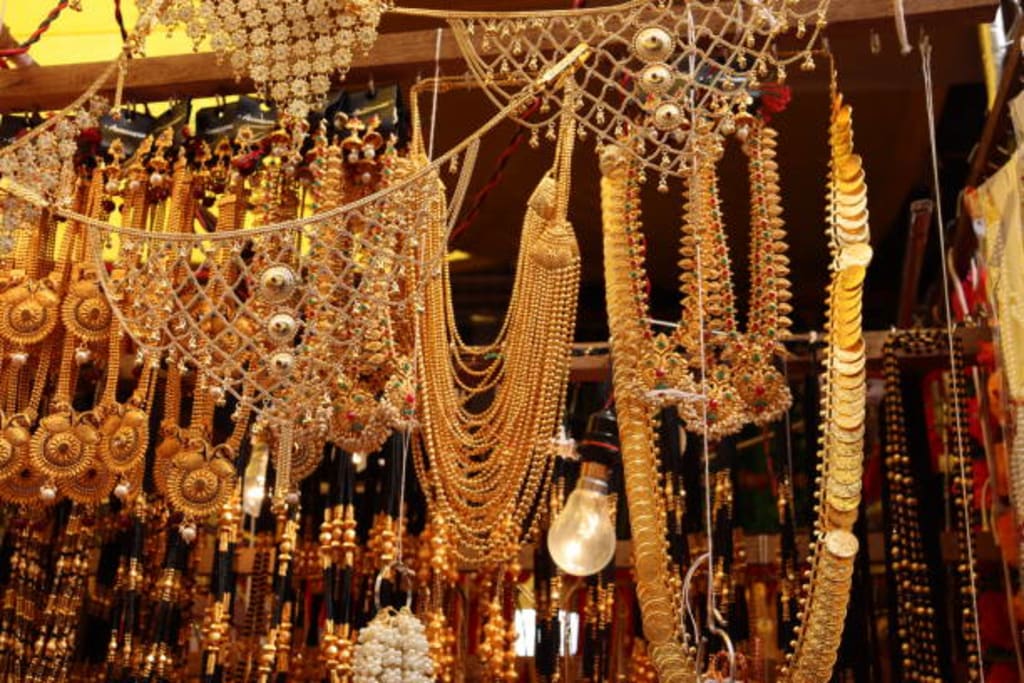
Selling gold jewellery in Australia can be a profitable decision if you understand the process and make informed choices. From knowing the value of your gold to finding the right buyer, every step is important. In this guide, we’ll cover everything you need to know about selling gold in Australia to ensure a successful transaction.
Understanding Gold Jewellery
What Carats/Karats Represent
Gold purity is measured in carats (or karats), with 24-carat gold being the purest form. Common carats for jewellery include 18K (75% gold) and 14K (58.3% gold). The higher the carat, the more valuable the gold. However, higher purity also means the jewellery is softer and less durable.
The Reason for Alloy in Gold Jewellery
Pure gold is too soft for everyday wear, so it’s mixed with other metals like silver, copper, or palladium to create an alloy. This not only makes the jewellery stronger but also affects its colour and overall appearance.
Is There a Gold Colour That’s More Valuable?
Gold comes in different colours, such as yellow, white, and rose gold, depending on the alloy metals used. While yellow gold is traditionally more popular, no gold colour is inherently more valuable. The value depends on the gold content (carat) and weight of the piece.
The Gold Market in Australia
Current Gold Prices
Gold prices change daily based on market demand and supply. Before selling gold, check the current market price through reliable sources like the Australian Securities Exchange (ASX) or gold dealers.
How Gold Prices Fluctuate
Gold prices are influenced by global economic conditions, currency exchange rates, and geopolitical events. For instance, prices may rise during economic uncertainty as gold is considered a safe investment.
Tax Implications of Selling Gold Jewellery
Capital Gains Tax (CGT) on Gold Jewellery
In Australia, selling gold jewellery may attract Capital Gains Tax (CGT). However, personal-use items worth less than $10,000 are generally exempt. If your jewellery’s value exceeds this amount, consult a tax professional to understand your obligations.
Declaring Gold to the Australian Taxation Office (ATO)
If you sell gold and make a profit, you may need to declare it to the ATO. Keeping accurate records of your sales, including receipts and valuations, will make this process smoother.
Finding a Reputable Buyer
What to Look for in a Gold Buyer
Choose a buyer with a strong reputation and transparent practices. Look for licensed gold dealers or businesses accredited by organisations like the Jewellers Association of Australia (JAA).
How to Get the Best Price for Your Gold
Shop around and compare offers from multiple buyers. Some dealers might offer better rates depending on the weight and purity of your gold. Timing your sale when gold prices are high can also help you maximise profits.
Red Flags to Watch Out For
Avoid buyers who pressure you into quick sales or refuse to provide a clear breakdown of how they calculate your gold’s value. Be cautious of extremely low offers, as these might indicate unfair practices.
Selling Options
Selling to a Refinery or Mint
Refineries and mints often pay higher prices because they process the gold directly. However, they may require a minimum quantity for purchase.
Selling to a Pawnbroker or Second-Hand Dealer
Pawnbrokers and second-hand dealers are convenient options for quick sales, but they may offer lower prices compared to specialised gold buyers.
Selling Gold Jewellery Online
Online platforms provide flexibility and convenience, but ensure the website is reputable. Look for reviews, secure payment options, and clear terms of service before proceeding.
Valuing Your Gold Jewellery
Finding the Right Valuer
A professional valuer can help determine your jewellery’s market value. Certified jewellers or independent appraisers are ideal for accurate assessments.
Proof of Purchase and Documentation
Keeping receipts, certificates of authenticity, and other documentation can add credibility to your sale and may result in better offers.
Getting the Best Price
Tips for Negotiating a Good Price
Know the market price of gold before negotiating.
Be confident and assertive while discussing offers.
Use quotes from other buyers as leverage to get a better deal.
Consumer Protection
Your Rights as a Consumer
As a seller, you have the right to transparent dealings. Australian consumer laws require buyers to disclose their terms, such as fees or deductions.
Protecting the Industry: Fair Trading and Consumer Protection
Report unfair practices or scams to organisations like Consumer Affairs or the Australian Competition and Consumer Commission (ACCC). This helps maintain a trustworthy gold trading industry.
Additional Tips and Services
Gold Loans: An Alternative to Selling
If you’re hesitant to sell your gold, consider using it as collateral for a loan. Many lenders offer gold loans, allowing you to access funds while retaining ownership of your jewellery.
Conclusion
Selling gold jewellery in Australia requires careful planning and knowledge. From understanding the value of your jewellery to finding a reputable buyer, every step matters. Stay informed about market trends, tax implications, and consumer rights to ensure a successful transaction.
By following these tips, you can maximise your profits and avoid common pitfalls when selling gold. Whether you choose a refinery, pawnbroker, or online platform, preparation is key to getting the best deal.
About the Creator
TimeandGold
Meet Australia's highest paying Scrap Gold Buyers in Parramatta Sydney to sell your gold, silver, diamond precious jewellery or luxurious watches for instant cash at Time & Gold By Dlux.
Keep reading
More stories from TimeandGold and writers in 01 and other communities.
Best Places to Sell Gold in Sydney: A Comprehensive Guide
Sydney is one of the best cities to sell gold, thanks to its competitive market and a variety of trustworthy buyers. Whether you have gold jewellery, coins, or bullion, knowing the right steps to take and where to sell can help you get the best value. In this guide, we’ll discuss everything you need to know, including understanding the gold market, preparing your gold, and finding the best places to sell it in Sydney.
By TimeandGoldabout a year ago in 01
How to Choose the Best Mobile App Development Company 2026
Google has fundamentally transitioned. It is now an Authority Validation layer. This change occurred in early 2026. Selecting a development partner now requires a new process. You must audit their footprint within the Trust Graph. Do not just review static portfolios. Static images are easy to fake now.
By Devin Rosario7 days ago in 01



Comments
There are no comments for this story
Be the first to respond and start the conversation.