
Ryan Routh
A Complex Life and a Tragic Turning Point

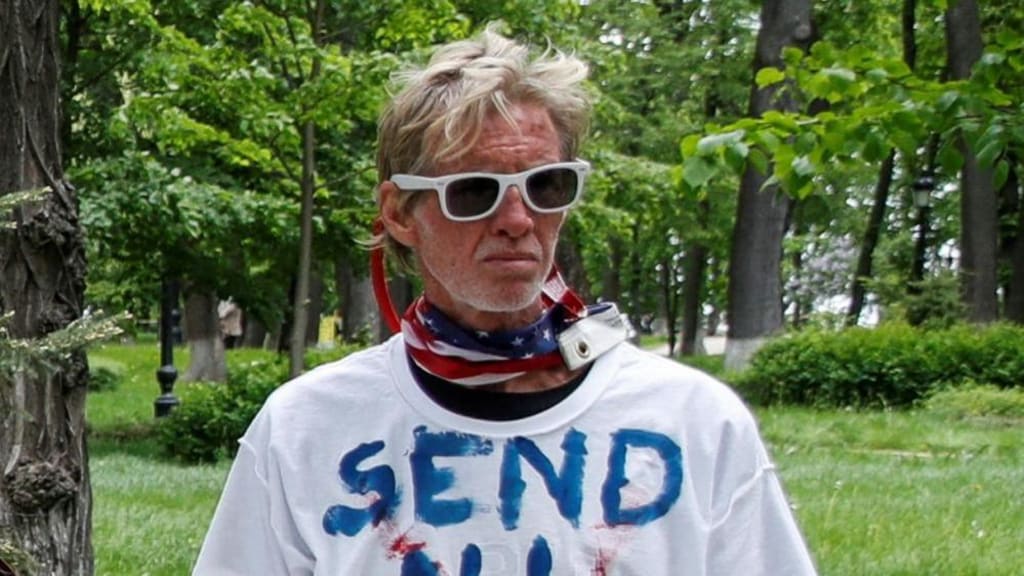
In September 2024, the name Ryan Wesley Routh entered global headlines — not as an innovator, activist, or public figure in the conventional sense, but as the central figure in a dramatic and violent event: a failed assassination attempt on then‑presidential candidate Donald Trump at a golf course in Florida. The incident, and its aftermath, has prompted media scrutiny, public debate, and wide discussion about radicalization, mental health, and the dangers of political violence.
Early Life and Background
Little is publicly available about Routh’s early life beyond his adult years. According to court records and investigative reporting, he spent much of his early life in North Carolina before later relocating to Hawaii, where he lived with his son and operated a small business building sheds. His professional background was not in politics or the military but in construction and mechanical work.
Routh’s public presence grew through social media accounts, though much of this material has since been deleted or suspended. These accounts, particularly on X (formerly Twitter), were filled with his personal political commentary, often sharply critical of Donald Trump’s leadership and focused on global issues such as the conflict in Ukraine. While some narratives online incorrectly linked Routh to LGBTQ+ activism based on a misattributed Instagram profile, independent fact‑checkers found no evidence that the bio reflecting LGBTQ+ advocacy was authentic or genuinely connected to him.
Interest in Global Conflict
Routh became known to some as an outspoken supporter of Ukraine after Russia’s full‑scale invasion in 2022. He traveled to Eastern Europe and publicly expressed his willingness to join the fight — even to the extent of volunteering information about recruiting others, particularly Afghan soldiers who had fled the Taliban. However, there is no evidence that he served in any official military capacity or was formally affiliated with Ukraine’s armed forces or its International Legion. News outlets and volunteer sources later clarified that his efforts were informal and not sanctioned by military or governmental authorities.
Though he spoke about the conflict passionately, friends and acquaintances described him as lacking formal military experience, and his public statements were sometimes rambling and disconnected from logistical reality. His interest in foreign fighters reflected a deeply held, if unorthodox, belief in democracy’s defense around the world — a theme that later surfaced in political commentary he shared online.
Political Views and Online Activity
Over the years, Routh’s political positions appeared to evolve. In earlier posts, he said he supported Donald Trump in the 2016 election, but over time his commentary grew sharply critical. Political records show that while he was registered with no party for much of his life, since 2019 he donated to Democratic causes and candidates, though his social media rhetoric was more complex and inconsistent than simple partisan labels might suggest. His online presence included criticism of what he viewed as threats to democracy, as well as expansive commentary on topics from foreign policy to civil liberties.
It’s important to note that social media posts and unverified profiles proliferated during breaking news events, and misinformation about Routh’s identity, affiliations, and beliefs circulated widely, especially in the immediate aftermath of the September 2024 incident. Fact‑checking organizations have debunked several claims about his background, including that he was associated with the LGBTQ+ community or that he had significant militant credentials.
September 2024 Incident: What Happened
On September 15, 2024, federal authorities in Florida arrested Routh after he was found hidden in shrubbery near the Trump International Golf Club in West Palm Beach. Law enforcement reported that he was in possession of a rifle and had positioned himself near the course during Trump’s visit. Routh was taken into custody after agents intervened and prevented any attack from unfolding.
Federal prosecutors charged him with multiple offenses, including attempted assassination of a major presidential candidate, assaulting a federal officer, and firearms violations. During the subsequent trial, Routh chose to represent himself — a decision that drew attention and raised concerns from observers who questioned his legal strategy and mental state. In court documents and letters, Routh made wide‑ranging statements about politics and world events, further complicating public perception of his motivations.
Legal Consequences and Sentencing
In early February 2026, a federal judge sentenced Ryan Routh to life in prison without parole, along with an additional seven years for related firearm offenses. The judge emphasized the premeditated and serious nature of his actions, and prosecutors stressed the danger such conduct posed not only to individuals but to democratic society. Attorney General statements framed the plot as a direct assault on democratic institutions. Routh’s legal team indicated plans to appeal the sentence.
A Broader Conversation
The case of Ryan Routh is tragic on several levels. It touches on how individual grievances, amplified by online environments and unstructured political commentary, can veer into dangerous territory when mixed with unstable planning and access to weapons. It also raises larger questions about how society understands political frustration, mental health, and the challenges of addressing individuals who act on extreme interpretations of civic duty.
Even as the legal process concludes, Routh’s story continues to provoke debate about the intersection of individual action with political conflict, the protection of public figures and democratic processes, and the responsibility of digital platforms in shaping public discourse.
Whatever interpretations one holds about his motives, the outcome is clear: a sequence of choices ended in a federal conviction and life in prison, making Ryan Routh not just a footnote in political violence but a cautionary example of what can happen when rhetoric turns into attempted action.
---
If you want, I can also write a shorter or more opinion‑oriented version of this article suitable for a particular audience or platform.Start writing...
About the Creator
Saboor Brohi
I am a Web Contant writter, and Guest Posting providing in different sites like techbullion.com, londondaily.news, and Aijourn.com. I have Personal Author Sites did you need any site feel free to contact me on whatsapp:
+923463986212
Keep reading
More stories from Saboor Brohi and writers in 01 and other communities.
Brad Karp
Brad S. Karp is a name that resonates deeply within the world of high‑stakes litigation and corporate law. For decades, Karp has been one of the most influential lawyers in the United States, shaping major legal battles, advising Fortune 100 companies, and leading one of America’s premier law firms — Paul, Weiss, Rifkind, Wharton & Garrison LLP, commonly known as Paul Weiss.
By Saboor Brohi about 8 hours ago in 01
Hyper-Personalization in 2026: The Indi IT Solutions Approach to AI-Driven UX
The digital landscape of 2026 has moved beyond the era of responsive design and static templates. Today, a premium mobile experience is no longer defined by how well it fits a screen, but by how accurately it anticipates a human need. At Indi IT Solutions, we have observed a fundamental shift: users no longer "navigate" apps; they interact with fluid ecosystems that evolve in real-time.
By Devin Rosarioabout 15 hours ago in 01
iPhone 18 Series Is Only Months Away: And the Leaks Are Surprisingly Good
The iPhone 18 lineup is officially just about six months out, and somehow, Apple leaks just took a turn no one was really expecting — in the best way possible. If you’re even thinking about upgrading this year, there are some major updates you’ll want to know about.
By Info Post Gateabout 10 hours ago in 01
Should We Not Try to Get Too Political?
Here's something you often hear people say, "I try not to get too political." I understand the sentiment and I sympathize with it... while at the same exact time, I completely disagree with the notion. Whether it's referring to social media or wherever, it's kind of unavoidable. You can attempt to sidestep it, not engage, leave the less important things for actual politicians to discuss... you can want it to not take over your life, your conversations, your relationships, and that makes perfect sense.
By Stephen Kramer Avitabileabout 13 hours ago in Writers


Comments
There are no comments for this story
Be the first to respond and start the conversation.