
Roof Sealant: The Ultimate Guide to Protecting Your Roof
Roof Sealant: The Ultimate Guide to Protecting Your Roof
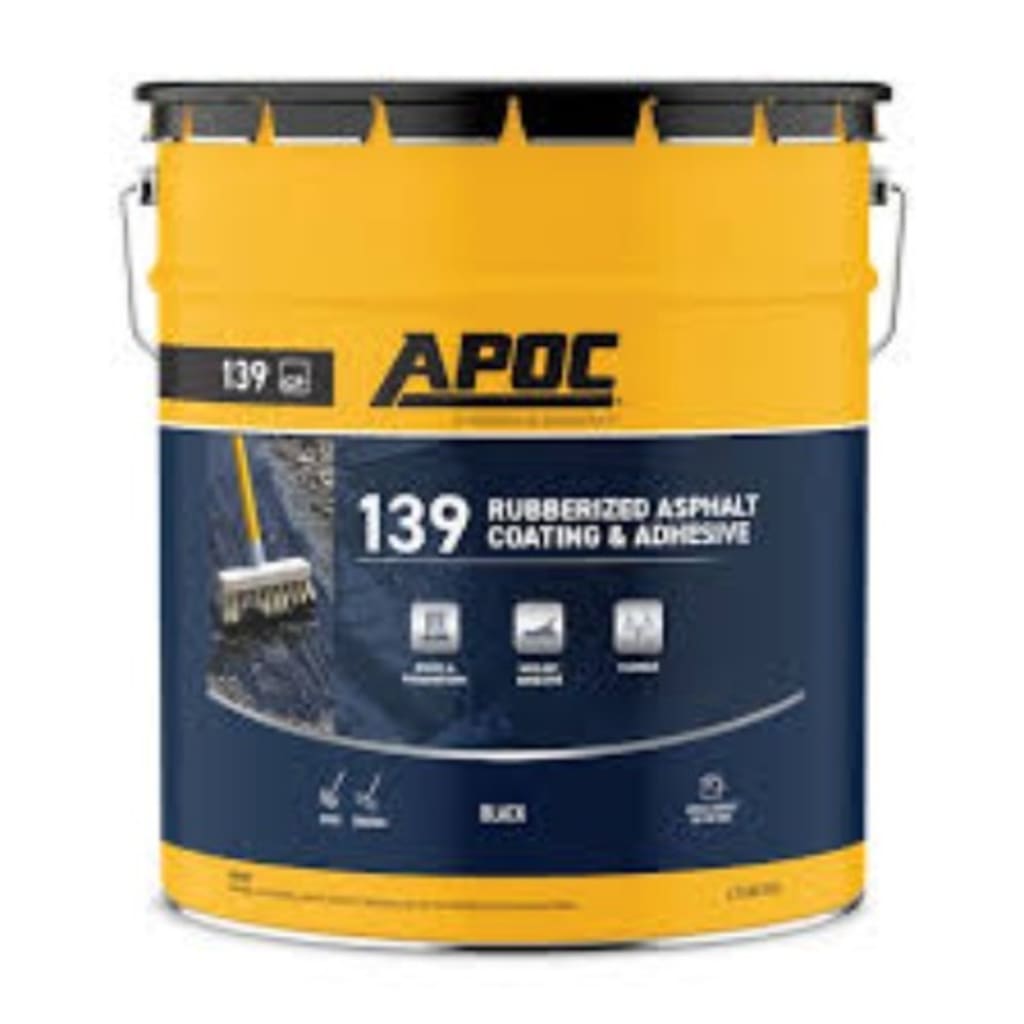
When it comes to maintaining your home, the roof is your first line of defense against harsh weather conditions, moisture, and structural damage. One of the most effective ways to extend the lifespan of your roof and enhance its performance is by applying roof sealant. This essential roofing product creates a waterproof barrier that helps prevent leaks, protect against UV rays, and shield your home from weather-related deterioration.
In this guide, we’ll break down everything you need to know about roof sealant—from its types and benefits to application tips and maintenance. Whether you're a homeowner or a roofing contractor, understanding roof sealant is key to keeping any roof in peak condition.
What Is Roof Sealant?
Roof sealant is a liquid-based material applied to rooftops to seal cracks, joints, seams, and vulnerable areas. Once cured, it forms a flexible, waterproof layer that can protect various roofing materials including metal, asphalt, wood, concrete, and rubber.
Sealants are often used for:
Preventing leaks
Repairing minor damage
Extending roof life
Improving energy efficiency
Think of it as a protective shield that safeguards your roof from the elements while also reducing the need for costly repairs.
Benefits of Using Roof Sealant
1. Leak Prevention
Water is a roof’s worst enemy. Tiny cracks and gaps can allow water to seep in, leading to mold, mildew, and rot. Roof sealant acts as a moisture barrier, sealing off weak points where water could otherwise penetrate.
2. UV and Heat Protection
Roof sealants—especially reflective types—can reduce surface temperatures by reflecting sunlight. This helps prevent damage from UV rays and reduces cooling costs during summer months.
3. Cost-Effective Maintenance
Applying a roof sealant is much cheaper than replacing a roof. Regular sealing can postpone the need for a full roof replacement by several years.
4. Improved Energy Efficiency
Some roof sealant products have energy-saving properties. Reflective or "cool roof" sealants help keep buildings cooler, reducing HVAC workload and energy bills.
5. Versatility
Sealants are available for different roof types—flat, sloped, metal, tile, or asphalt shingles. Some can even be painted over for aesthetic enhancement.
Types of Roof Sealant
There are several types of roof sealant, each with distinct characteristics. Choosing the right one depends on your roof material and the problem you’re trying to address.
1. Silicone Roof Sealant
Best for: Flat roofs and areas with frequent rain
Benefits: Highly water-resistant, flexible, and long-lasting
Drawbacks: More expensive and sometimes hard to recoat
2. Acrylic Roof Sealant
Best for: Sloped roofs and UV protection
Benefits: Affordable, UV-resistant, easy to apply
Drawbacks: Less effective in standing water conditions
3. Polyurethane Roof Sealant
Best for: Metal roofs
Benefits: Excellent adhesion and durability
Drawbacks: Less UV-resistant than acrylic or silicone
4. Rubberized Asphalt Sealant
Best for: Flashing and seams
Benefits: Tough and waterproof
Drawbacks: Not ideal for aesthetic finishes or areas with high UV exposure
5. Bitumen Sealant (Cold or Hot)
Best for: Built-up roofing systems (BUR)
Benefits: Ideal for sealing around penetrations
Drawbacks: Can be messy and less eco-friendly
Where to Use Roof Sealant
You can apply roof sealant in a variety of scenarios:
Around vents, chimneys, and skylights
Along flashing or roof valleys
On seams and fasteners of metal roofs
Across entire flat roof surfaces
To repair minor cracks and holes
Make sure the roof is structurally sound before applying any sealant. Roof sealants are not a replacement for damaged or failing roofs—they're a maintenance tool, not a miracle fix.
How to Apply Roof Sealant (DIY Basics)
If you're considering applying roof sealant yourself, follow these general steps for a successful application:
1. Inspect and Clean the Roof
Remove dirt, debris, and old sealant using a stiff brush or power washer. Make sure the surface is clean and dry.
2. Check the Weather
Plan to apply the roof sealant on a dry, mild day. Avoid rainy or extremely hot weather.
3. Apply Primer (if needed)
Some surfaces may require a primer before the sealant adheres properly. Always follow the product instructions.
4. Use the Right Tools
Use a brush, roller, or sprayer, depending on the product type. For small cracks, a caulking gun works best.
5. Apply Evenly
Spread the roof sealant evenly across the surface or only on the damaged area. Allow it to dry as per manufacturer recommendations.
6. Reapply as Needed
Over time, sealant may degrade. Inspect your roof yearly and reapply sealant as necessary to maintain protection.
Pro Tip: For large roofs or commercial buildings, it’s best to hire a professional roofer to apply the sealant for optimal results.
Roof Sealant Maintenance
A good roof sealant can last 5 to 15 years, but that depends on several factors including weather conditions, roof type, and quality of the product used.
Maintenance Tips:
Inspect your roof at least once a year.
Check after heavy storms for signs of cracking or peeling.
Clean the roof before reapplying sealant.
Don’t wait for leaks to develop—seal proactively.
How to Choose the Best Roof Sealant
When selecting a roof sealant, consider:
Roof type: Flat or sloped? Metal or asphalt?
Weather conditions: Frequent rain? Intense sun?
Durability: How long do you want the sealant to last?
Ease of application: DIY or professional?
Budget: Silicone is top-tier but pricier, while acrylic is more affordable.
Always read labels and consult with a roofing expert if you're unsure.
Common Myths About Roof Sealant
Let’s clear up a few misconceptions:
Myth #1: Roof sealant fixes all roof issues.
Truth: It can repair minor problems, but not structural damage.
Myth #2: Once sealed, you don’t need maintenance.
Truth: Sealants degrade over time and require upkeep.
Myth #3: All sealants are the same.
Truth: Different sealants serve different purposes. Choosing the wrong one can lead to failure.
Final Thoughts
A high-quality roof sealant is one of the most affordable and effective ways to protect your home. Whether you're extending the life of an aging roof or preventing minor leaks before they become major, sealants offer real peace of mind.
At Roofing Advice, we recommend inspecting your roof at least once a year and using roof sealant as part of a proactive maintenance plan. If you’re unsure which product is best for your specific roof, consult a local roofing professional.
Remember: A little prevention goes a long way when it comes to roof care—and roof sealant is one of the smartest tools in your arsenal.
About the Creator
Keep reading
More stories from hamza awan and writers in 01 and other communities.
Okemo vs Stratton: Which Ski Resort is Right for You?
When it comes to choosing a ski destination in the Northeast, Okemo and Stratton are two of the most popular names that come up. Both offer exceptional skiing experiences, but each has its own unique features that can sway your decision depending on your preferences. Whether you’re a seasoned skier or a first-timer looking for the best ski experience, understanding the differences between Okemo and Stratton will help you make an informed choice.
By hamza awan10 months ago in 01
The Role of Custom Pennant Flags in Soccer Culture
Sports traditions often include visual symbols that represent identity, loyalty, and shared history. Among these symbols, pennant flags have become a recognizable part of sports culture. These triangular banners are commonly associated with team pride, historic matches, and fan traditions. In soccer, items such as soccer pennants, soccer club flags, and custom pennant flags continue to appear in stadiums, club exchanges, and sports memorabilia collections around the world.
By charliesamuel4 days ago in 01




Comments
There are no comments for this story
Be the first to respond and start the conversation.