
Timothée Chalamet’s Ballet and Opera Comments Spark a Cultural Debate
How one comment about classical performance ignited a conversation across social media — and why Doja Cat stepped in.

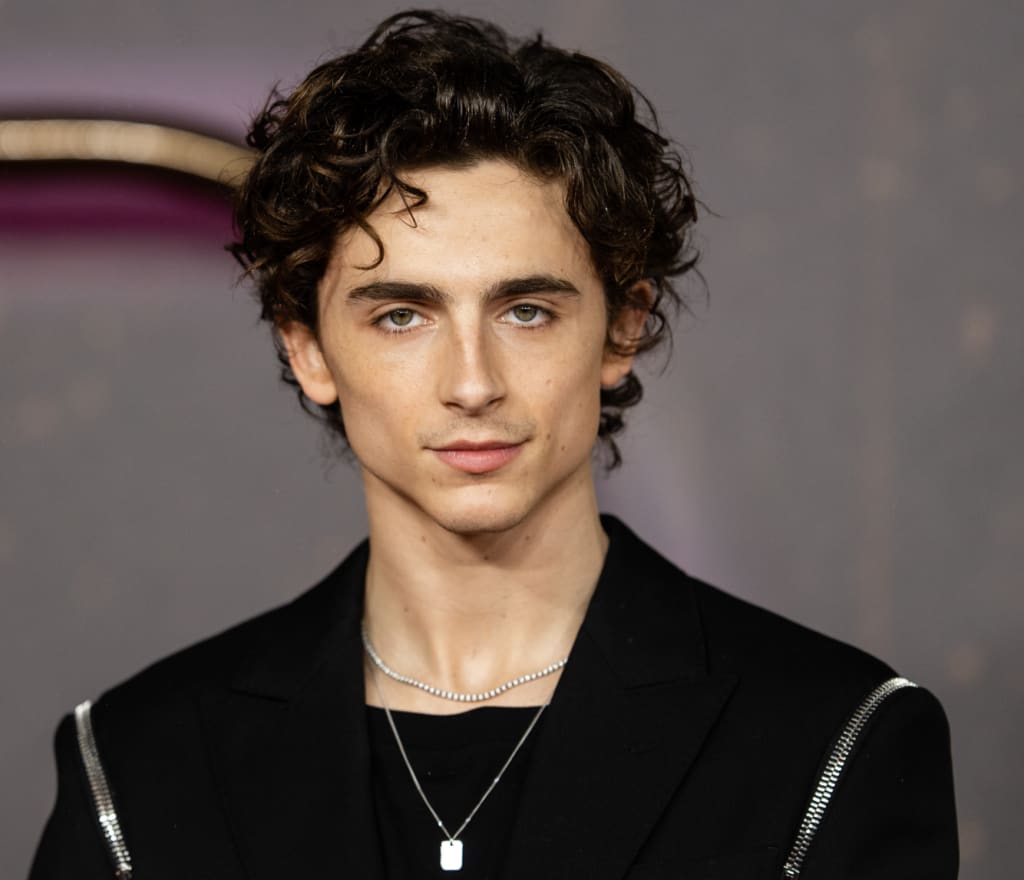
A recent comment from Timothée Chalamet has unexpectedly sparked a wider conversation about art, culture, and whether classical performance still matters in the modern entertainment world.
The controversy began after a clip from an interview surfaced online in which the actor appeared to dismiss ballet and opera as art forms that “no one cares about anymore.” The remark quickly spread across social media, drawing reactions from artists, performers, and fans who felt the statement undervalued centuries of cultural tradition.
While the comment may have been intended as an offhand observation about shifting audience tastes, many people in the performing arts community saw it as something deeper: a reflection of the growing gap between traditional art forms and modern entertainment culture.
For dancers, singers, and theater professionals who dedicate their lives to these disciplines, the idea that people no longer care about ballet or opera felt dismissive.
But the backlash didn’t just come from the classical arts world.
It also came from pop culture.
Doja Cat Enters the Conversation
One of the most notable responses came from Doja Cat, who addressed the situation in a TikTok video that quickly circulated online.
In the clip, the musician criticized the idea that ballet and opera are irrelevant. She pointed out that these art forms have existed for hundreds of years and continue to attract audiences around the world.
Doja Cat emphasized that opera dates back roughly four centuries and ballet has been practiced for around five hundred years, highlighting the dedication required from performers who train daily to master these disciplines.
Her message was simple: longevity and dedication matter.
Artists who devote their lives to these traditions deserve respect, even if mainstream culture shifts toward newer forms of entertainment.
The TikTok video was later deleted, but by then the moment had already gone viral and fueled further discussion across social media.
Why the Comment Hit a Nerve
At first glance, the situation might seem like just another celebrity controversy.
But the strong reaction reveals something larger happening in culture today.
Ballet and opera are often seen as symbols of “high art,” representing traditions that date back centuries. At the same time, modern entertainment increasingly revolves around short-form content, streaming platforms, and rapidly changing trends.
That contrast can create tension.
For many people working in classical arts, the fear isn’t just criticism — it’s the perception that their art forms are becoming invisible in a world dominated by digital media.
Chalamet’s remark touched on that anxiety, even if unintentionally.
The Changing Landscape of Art
The truth is that the entertainment landscape has transformed dramatically over the past few decades.
Streaming services, social media platforms, and algorithm-driven content have reshaped how audiences discover and consume art. Music, film, and performance are now competing for attention in an environment where people are constantly scrolling.
Traditional art forms like ballet and opera often operate outside that system.
They require time, patience, and physical presence. A ballet performance can last several hours. An opera production may involve elaborate staging, orchestras, and extensive rehearsal.
In a culture built around quick clips and viral moments, these slower, immersive experiences can feel out of step with the pace of modern media.
Yet many artists argue that this is exactly what makes them valuable.
They offer something different: depth, discipline, and a sense of shared cultural history.
A Debate About What We Value
The conversation sparked by Chalamet’s comment ultimately raises a bigger question.
What kinds of art does society choose to value?
Pop music, film, and digital media dominate cultural conversation today, but classical forms like ballet and opera continue to survive — often through passionate communities of performers and audiences who believe these traditions still matter.
Doja Cat’s response highlighted that perspective. Even as a contemporary pop star, she recognized the importance of respecting the artists who dedicate their lives to those disciplines.
In a world where cultural trends change quickly, centuries-old art forms represent continuity.
They remind us that creativity didn’t begin with modern technology — and it won’t end there either.
The Larger Cultural Conversation
Whether one agrees with Chalamet’s original comment or not, the debate it sparked shows how deeply people care about art.
From opera houses to TikTok feeds, the discussion has expanded far beyond one interview clip.
In some ways, that may be the most interesting outcome of all.
Because when people argue about art, what they are really debating is something much bigger:
What culture should look like in the future.
And whether the traditions of the past still deserve a place in it.
About the Creator
Navigating the World
News, commentary on entertainment, music, influencers, and modern culture, upcoming artists, politics, and more. Everything you need to know — all in one place.
Keep reading
More stories from Navigating the World and writers in 01 and other communities.
When a Neuroscientist Turns Brain Signals Into Music
For decades, the idea that music could be created directly from the human brain has lived comfortably in the territory of science fiction — the kind of futuristic concept more commonly found in cyberpunk novels or speculative technology films. In those stories, humans connect directly to machines, thoughts become data, and creativity merges with technology in ways that feel both thrilling and unsettling.
By Navigating the Worldabout 2 hours ago in Futurism
Telemedicine App Development Cost: 2026 Pricing Guide
Building a telemedicine app in 2026 feels like a high-stakes poker game. I have seen founders dump 200k into a platform only to realize their video lag is terrible. It is a tough pill to swallow when users start deleting your hard work.
By Sherry Walker8 days ago in 01




Comments
There are no comments for this story
Be the first to respond and start the conversation.