
Resilience and Innovation: A Deep Dive into the Animal Health Market
Disease Prevention, Technological Advancements, and Industry Transformation

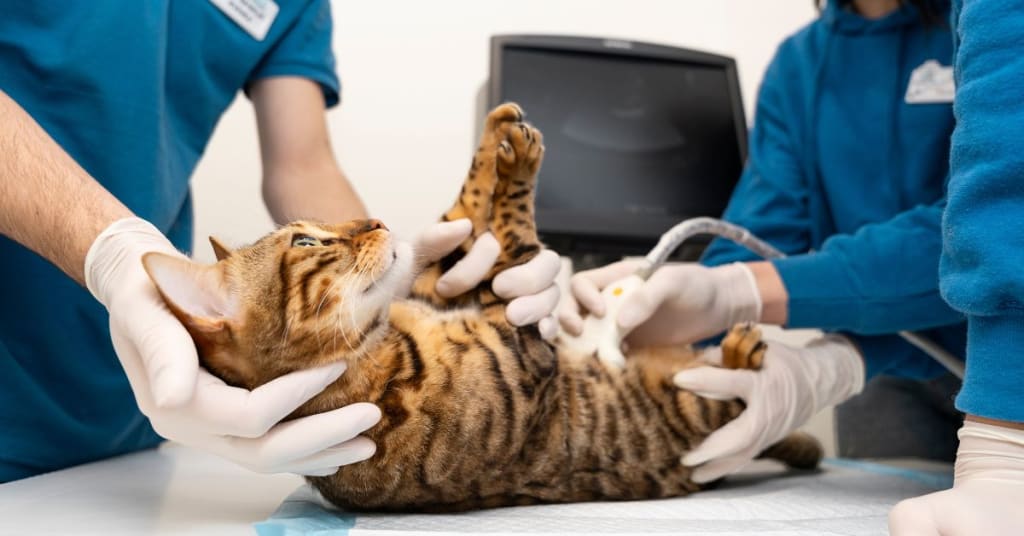
The global Animal Health Market is currently experiencing a transformative era, catalyzed by the "humanization" of pets and a heightened focus on food security within the livestock sector. This industry, which spans pharmaceuticals, vaccines, diagnostics, and nutritional supplements, has evolved from a secondary branch of human medicine into a highly specialized, multi-billion dollar ecosystem. As zoonotic disease awareness grows and the middle class expands in emerging economies, the infrastructure supporting non-human biological welfare is seeing unprecedented investment in biotechnology and digital therapeutics.
I. The Companion Animal Revolution: From Pets to Family
The most significant shift in the veterinary pharmaceuticals landscape is the transition of companion animals—primarily dogs and cats—from outdoor utility animals to integral family members. This cultural shift has direct implications for spending patterns and medical expectations.
Advanced Therapeutics and Chronic Care
As pets live longer due to better nutrition, the demand for geriatric veterinary care has surged. We are seeing a massive influx of treatments for age-related conditions such as osteoarthritis, cognitive dysfunction, and oncology. Monoclonal antibodies, once reserved for human biological therapy, are now being deployed to treat feline and canine chronic pain, offering long-term relief with fewer side effects than traditional NSAIDs.
The Rise of Specialty Pet Insurance
The financial framework of pet ownership is changing. The proliferation of medical insurance for domestic animals allows owners to opt for high-cost procedures like MRIs, specialized orthopedic surgeries, and chemotherapy. This "democratization" of high-end medical care ensures a steady revenue stream for clinics and encourages manufacturers to develop increasingly sophisticated medical devices.
II. Livestock Productivity and Food Security
While the "pet" segment captures headlines, the production animal sector remains the foundational pillar of the global protein supply chain. Here, the focus is on efficiency, sustainability, and the reduction of chemical residues.
Antibiotic Stewardship: There is a global regulatory movement toward reducing the "sub-therapeutic" use of antibiotics in farm animals. This has created a massive opening for "green" alternatives, including probiotics, prebiotics, and organic acids that bolster the gut health of poultry, swine, and cattle without contributing to antimicrobial resistance (AMR).
Precision Livestock Farming (PLF): The integration of IoT sensors in barns and on collars allows for "individualized" monitoring of thousands of animals. By tracking motion, temperature, and feeding habits, producers can identify a sick animal days before clinical symptoms appear, allowing for targeted intervention rather than herd-wide medication.
Vaccine Technology: Preventive immunology is the primary defense against devastating outbreaks like Avian Influenza or African Swine Fever. The development of mRNA vaccines for livestock is a burgeoning field, promising faster response times to mutating viral strains compared to traditional egg-based production.
III. Diagnostics: The Frontier of Preventive Care
The shift from reactive treatment to proactive wellness is underpinned by a revolution in veterinary diagnostic tools. Rapid testing is no longer confined to the central laboratory; it is moving to the "point-of-care."
Point-of-Care Testing (POCT)
Veterinarians now have access to handheld blood analyzers and rapid lateral flow assays that provide results in minutes. This immediate data allows for "same-visit" diagnosis and treatment planning, which significantly improves compliance among pet owners and reduces mortality rates in large-scale farming operations.
Genetic Screening and Predictive Analytics
Genomics is playing a larger role in both pet breeding and livestock selection. In the companion segment, genetic tests help owners identify predispositions to heart disease or blindness. In the dairy and beef industries, genomic testing is used to select for traits like heat tolerance, milk yield, and disease resistance, creating a more resilient biological asset base.
IV. The E-Commerce and Telehealth Shift
The distribution channels for veterinary supplies and professional advice are undergoing a digital overhaul. The traditional model of buying all medications directly from a veterinarian is being challenged by online pharmacies and direct-to-consumer (DTC) models.
Tele-Triage and Virtual Consults: Veterinary telehealth has become a vital tool for preliminary assessments. While surgery cannot be performed via Zoom, "televet" services are highly effective for dermatological follow-ups, behavioral consultations, and post-operative monitoring.
Subscription-Based Wellness: Many digital platforms now offer monthly subscriptions that bundle parasiticides (flea, tick, and heartworm prevention) with virtual support. This ensures consistent dosing—a perennial challenge in the industry—and locks in consumer loyalty.
V. Regulatory Landscapes and Global Trade
The movement of biological products across borders is governed by a complex web of international standards, with organizations like the WOAH (World Organisation for Animal Health) setting the baseline for safety and efficacy.
Zoonotic Disease Surveillance
The "One Health" initiative recognizes that human health is inextricably linked to the health of animals and the environment. Consequently, government funding for animal disease surveillance has increased. Governments are now treating the health of the vehicle for protein (livestock) as a matter of national security, leading to stricter biosecurity protocols at borders.
Emerging Markets: The Next Growth Engine
While North America and Europe currently dominate in terms of value, the highest growth rates are found in Latin America and Asia-Pacific. In countries like Brazil and China, the professionalization of the swine and poultry industries is creating a massive demand for standardized veterinary pharmaceuticals and modern husbandry equipment.
VI. Sustainability and Ethical Considerations
The industry is facing increasing pressure to address its environmental footprint and ethical standing.
Waste Reduction: Manufacturers are rethinking packaging to reduce plastic waste in clinics and looking for ways to make the manufacturing of active pharmaceutical ingredients (APIs) more energy-efficient.
Alternative Proteins: The rise of lab-grown meat and plant-based proteins is a long-term trend that the livestock sector is watching closely. Some traditional animal wellness companies are diversifying their portfolios to include services for the cellular agriculture sector.
Animal Welfare Standards: There is a growing consumer demand for "welfare-friendly" products. This has led to the development of technologies that reduce stress during transport and eliminate the need for painful procedures like dehorning or tail docking through genetic editing.
VII. Future Outlook: The Intersection of Bio-Tech and Data
The next decade will likely be defined by the "Internet of Animals." We are moving toward a world where every high-value animal—whether a champion racehorse, a prize dairy cow, or a beloved golden retriever—has a digital twin.
This digital profile will integrate real-time biometric data with historical medical records, allowing AI-driven algorithms to suggest nutritional adjustments or medical interventions with surgical precision. The convergence of wearable tech and long-acting injectables will take the "guesswork" out of animal care, ensuring that medication is delivered only when and where it is needed.
VIII. Conclusion
The ecosystem of veterinary science and livestock management is proving to be one of the most resilient sectors of the global economy. By embracing digital disruption and advanced biotechnology, the industry is not just reacting to the needs of the present but is actively shaping a more stable and healthy future for all species. As we move forward, the focus will remain on the "One Health" philosophy, ensuring that our efforts to protect the animal kingdom simultaneously safeguard human prosperity and global environmental stability.
About the Creator
Rahul Pal
Market research professional with expertise in analyzing trends, consumer behavior, and market dynamics. Skilled in delivering actionable insights to support strategic decision-making and drive business growth across diverse industries.
Cher
Few artists have reshaped popular music as consistently—or as fearlessly—as Cher. For more than six decades, she has stood at the intersection of reinvention and authenticity, becoming not just a singer, but a cultural force. When conversations turn to award history, influence, and longevity, Cher Grammys moments remain a reference point for how artistic impact can transcend generations.
By Saboor Brohi a day ago in 01
How to Maintain Healthy Skin Between Home Salon Appointments
In a rapidly evolving life in Ras Al Khaimah during the year 2026, looking good is a key part of your social status. We have moved away from the old way of driving to busy shops because we value our time more than ever before. This is why people are always searching for the best home salon services near me in Ras Al Khaimah to fix their schedules. However, a professional visit is only one part of the total plan for your skin health. You must take care of your skin between these visits to ensure you get the best return on your money. This post provides the best daily plan to keep your skin looking sharp and healthy in the unique weather of the Northern Emirates.
By Julia Ching5 days ago in 01




Comments
There are no comments for this story
Be the first to respond and start the conversation.