
Fluid Dynamics: The Strategic Transformation of the Fuel Dispenser Market
Digitalization, Sustainability, and Evolving Energy Retail Systems

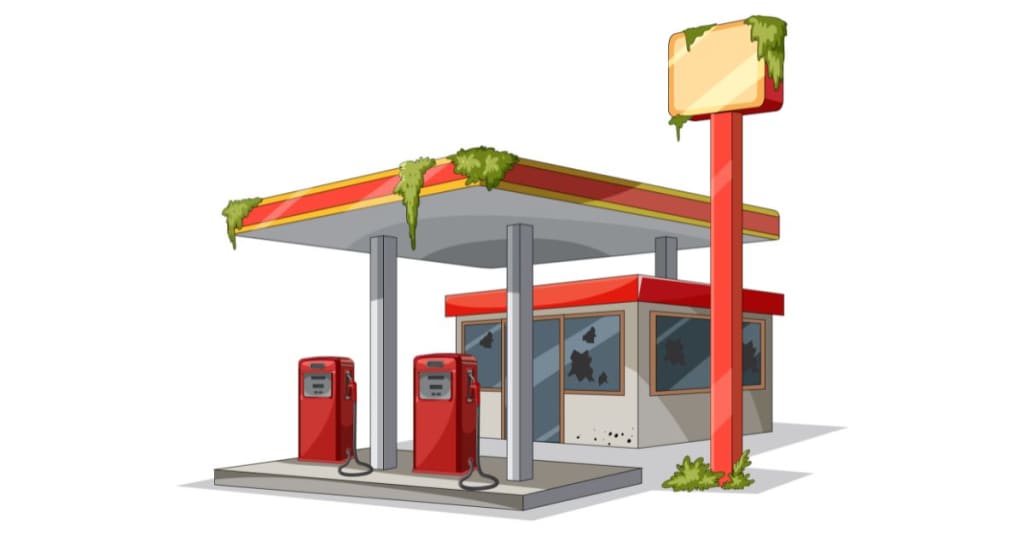
The global Fuel Dispenser Market is currently navigating a period of profound technological disruption, driven by the dual pressures of digital transformation and the global energy transition. While traditional petroleum consumption remains the backbone of transportation logistics in developing economies, the equipment used to deliver these hydrocarbons is undergoing a radical evolution. Modern forecourt infrastructure is no longer merely a mechanical conduit for liquid energy; it has become a sophisticated IoT-integrated terminal that manages high-precision flow measurement, secure financial transactions, and predictive maintenance diagnostics.
I. Engineering Architecture and Precision Flow Control
The core utility of any liquid energy delivery system lies in its ability to provide accurate measurement under varying environmental conditions. The engineering behind modern pumping units has shifted toward highly modular and intelligent designs.
Displacement and Flow Metrology
The shift from traditional mechanical registers to electronic calibration has drastically reduced "fuel giveaway" and improved the bottom line for retail station operators. Modern piston meters and screw meters are now equipped with temperature compensation sensors that adjust volume based on thermal expansion, ensuring that the consumer receives an accurate "net gallon" regardless of ambient temperature.
Intelligent Pumping Units
Advanced suction pumps and submersible turbine pump (STP) configurations are now the industry standard. STPs, in particular, are favored for high-volume sites because they push fuel from the underground storage tank (UST) to the point of sale, allowing for greater distances between the tank and the nozzle without the risk of vapor lock.
II. The Digital Forecourt: IoT and Connectivity
The integration of telematics into refueling hardware has transformed the forecourt into a data-rich environment. This connectivity allows operators to manage large networks of stations from a centralized dashboard.
Predictive Maintenance: Using vibration sensors and flow rate analysis, modern hardware can predict a filter clog or a mechanical failure before it occurs. This "uptime-first" philosophy reduces the total cost of ownership (TOC) for station owners.
Cloud-Integrated Point-of-Sale (POS): Today’s delivery terminals are essentially ruggedized computers. They handle encrypted EMV chip transactions, contactless mobile payments, and loyalty program integration directly at the nozzle, minimizing friction in the customer journey.
Media and Engagement: High-definition displays integrated into the chassis now serve as powerful advertising platforms. These "pump-top" media networks provide a secondary revenue stream for retailers, turning a functional task into a marketing opportunity.
III. Environmental Stewardship and Vapor Recovery
As environmental regulations tighten globally, the technology responsible for mitigating hydrocarbon emissions has become a primary focus for hardware manufacturers.
Stage II Vapor Recovery Systems
Vapor recovery is a critical component of modern forecourt safety. Stage II systems capture the gasoline vapors that would otherwise escape into the atmosphere during the refueling process and return them to the underground storage tank. Vacuum-assisted systems have largely replaced balance systems in high-throughput regions due to their superior efficiency in capturing volatile organic compounds (VOCs).
Leak Detection and Containment
The modern refueling pedestal is designed as a multi-layered defense system. Integrated sumps and sensors provide real-time alerts if a leak is detected within the internal piping, preventing soil contamination and ensuring compliance with stringent environmental protection standards.
IV. The Diversification of Energy: Multi-Fuel Terminals
The most significant trend in the liquid delivery equipment sector is the move toward "energy-agnostic" stations. As the vehicle fleet diversifies, the hardware must adapt to deliver more than just traditional gasoline and diesel.
Biofuels and Ethanol Blends: The rise of E15, E85, and biodiesel requires specialized seals and metallurgy. Ethanol is highly corrosive to certain plastics and rubbers, necessitating the use of nickel-plated components and specialized elastomers to ensure long-term durability.
AdBlue/DEF Integration: To meet Euro 6 and Tier 4 Final emission standards, diesel vehicles require Diesel Exhaust Fluid (DEF). Manufacturers are now integrating DEF delivery modules into the primary chassis, allowing trucks to refill both fuel and emissions fluid in a single stop.
Compressed Natural Gas (CNG) and Hydrogen: While physically different from liquid pumping, the logic of the user interface remains consistent. High-pressure dispensers for gaseous fuels are becoming common sights at "integrated energy hubs," utilizing the same payment and safety protocols as their liquid counterparts.
V. Global Market Dynamics and Regional Trends
The demand for refueling infrastructure is bifurcated between the modernization of existing networks in the West and the rapid expansion of new networks in the East.
The Asia-Pacific Surge
Developing nations in Southeast Asia and the Indian subcontinent are currently the primary engines of growth. Rapid urbanization and the expansion of road networks are driving the installation of thousands of new retail sites. In these regions, the focus is on robust, low-maintenance hardware that can withstand extreme humidity and erratic power grids.
The European Regulatory Push
In Europe, the market is defined by the "Green Deal." Here, the focus is almost entirely on efficiency and the integration of EV charging infrastructure alongside liquid pumps. The hardware is becoming more compact and aesthetically integrated, reflecting a shift in the station’s role from a "gas station" to a "mobility lounge."
VI. Safety and Security in the Self-Service Era
Refueling is inherently hazardous, and the engineering of the delivery point must account for human error and malicious intent.
Breakaway Couplings and Shear Valves
To prevent catastrophic fires if a vehicle drives away with the nozzle still inserted, every hose is equipped with a breakaway coupling. Similarly, shear valves at the base of the dispenser shut off the fuel flow instantly if the unit is impacted by a vehicle, isolating the underground tank from the surface.
Anti-Skimming Technology
Physical security has also moved into the digital realm. As "skimming" (the theft of credit card data) became a global problem, manufacturers developed "smart" doors and encrypted internal communication loops. If the housing of a modern unit is opened without authorization, the system can automatically disable the payment terminal and alert local authorities.
VII. The Future: Autonomous Refueling and Robotics
The next frontier for the industry is the removal of the human element from the refueling process.
Robotic Nozzle Insertion: Several startups and established players are piloting robotic arms that can identify a vehicle’s fuel port using computer vision and insert the nozzle automatically. This is particularly relevant for the future of autonomous trucking fleets.
Automated Payment via Vehicle ID: Using RFID or ALPR (Automatic License Plate Recognition), the station can identify the vehicle and authorize the transaction before the driver even exits the cabin. This seamless integration of the vehicle and the infrastructure is the ultimate goal of the "connected forecourt."
VIII. Conclusion: Resilience in a Changing Landscape
The industry surrounding liquid energy delivery is far from stagnant. While the world's energy mix is shifting, the need for safe, accurate, and efficient fluid transfer remains a cornerstone of global commerce. The transition from simple mechanical pumps to intelligent, multi-fuel terminals is a testament to the industry's adaptability.
The winners in this space will be the manufacturers who can bridge the gap between today’s hydrocarbon-reliant world and tomorrow’s diversified energy ecosystem. By focusing on data-driven efficiency, environmental protection, and a frictionless user experience, the providers of forecourt technology will continue to serve as the vital link between the energy source and the mobile world, regardless of what that energy happens to be.
About the Creator
Rahul Pal
Market research professional with expertise in analyzing trends, consumer behavior, and market dynamics. Skilled in delivering actionable insights to support strategic decision-making and drive business growth across diverse industries.
A Complete Submissive Guide For Beginners: 8 Simple Steps To Being a Great Submissive
Do you get sexual pleasure from submitting or giving up control to your partner? Would you like to establish a full-time sub/dom relationship and become a perfect submissive? If so, you have landed on the right blog.
By Intelligent Creator5 days ago in 01
Generative AI Consulting Strategies for Complex Business Processes
Enterprises today face a different kind of complexity than they did even three years ago. Business processes are no longer linear. They span fragmented systems, global teams, regulatory boundaries, and massive volumes of structured and unstructured data. Traditional automation and analytics tools struggle to keep pace with this level of operational depth.
By Fenil kasundraa day ago in 01




Comments
There are no comments for this story
Be the first to respond and start the conversation.