
Preventing Revenue Loss in the Industrial Sector with Data-Driven Pricing Insights
Discover how data-driven pricing insights and AI tools help industries prevent revenue loss, optimize margins, and stay competitive in dynamic markets.

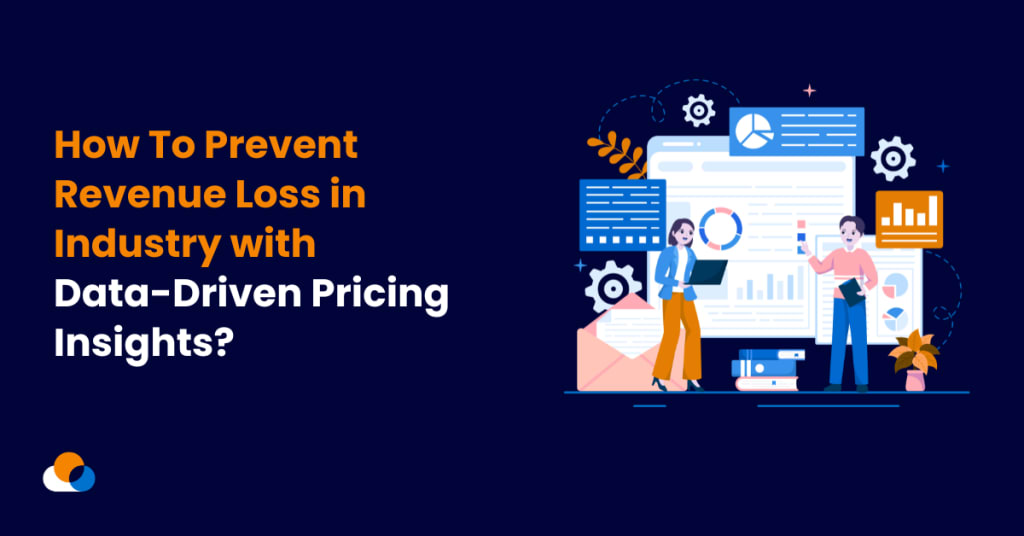
In 2023, only 40% of companies had adopted price intelligence tools. That number is expected to hit 80% this year—proof that data-driven pricing and AI-based intelligence are now vital for staying competitive.
Accurate and flexible pricing is the cornerstone of profitability in today’s industrial landscape. Data-driven pricing insights empower organizations to make strategic decisions based on real-time data instead of assumptions. These analytics offer visibility into how pricing changes affect margins, revenue, and customer behavior, helping businesses refine their strategies to meet financial objectives.
This article explores how industries can prevent revenue leakage using data-driven insights, AI, and competitive price intelligence.
Why Pricing Decisions Impact Industrial Revenue
Pricing errors don’t just reduce profits—they damage trust and customer loyalty. Even a small discrepancy, such as outdated discounts or channel inconsistencies, can result in significant revenue loss. Over time, this also weakens a company’s competitive edge.
Industries that fail to leverage analytics-driven pricing often experience reduced efficiency, poor customer satisfaction, and misaligned revenue goals.
Let’s break down how data insights help industrial players drive profitability and stability.
1. Smarter Decision-Making
Relying on intuition in pricing can be risky. Data-backed insights eliminate guesswork and guide decision-makers with evidence-based clarity. This ensures that pricing strategies are both competitive and profitable.
2. Better Customer Experiences
Understanding customer preferences and purchase patterns enables businesses to offer more personalized pricing and product experiences. Data analytics helps identify what customers truly value—whether it’s product quality, service speed, or affordability—and adjust strategies accordingly.
3. Operational Efficiency
AI analytics enhance operational efficiency by identifying process bottlenecks and resource inefficiencies. With data transparency, industrial businesses can streamline workflows and improve productivity without compromising quality.
4. Risk Mitigation
Predictive analytics based on historical data can forecast potential disruptions—such as equipment failures or market shifts—before they occur. This helps industries take proactive measures, reduce downtime, and minimize financial risks.
The Role of AI in Data-Driven Pricing Strategies
AI-driven analytics have transformed traditional pricing by making it more precise and predictive. Machine learning models can handle massive datasets, identify unseen trends, and make real-time pricing decisions.
Key Advantages:
Precision and Speed: AI processes data continuously, minimizing manual errors.
Predictive Capabilities: Algorithms detect trends and forecast market behavior.
Customization: Personalized pricing strategies enhance customer engagement and satisfaction.
Identifying Revenue Leaks with Competitive Price Intelligence
Revenue leakage often occurs due to pricing inconsistencies, outdated data, or competitor undercutting. Competitive price intelligence helps identify and fix these issues swiftly.
Major Causes of Revenue Leakage:
Pricing Discrepancies: Automated monitoring ensures uniform prices across all platforms and regions.
Competitor Undercutting: Real-time alerts allow quick price adjustments to retain market share.
Unoptimized Multi-Channel Pricing: Comparing prices across channels ensures consistency and customer trust.
Common Pricing Mistakes in the Industrial Sector
Using a Single Price for All Products: Markets fluctuate; pricing should too.
Lowering Prices to Attract Customers: Competing only on price can erode margins.
Overpricing Products or Services: Excessive pricing can reduce conversion and loyalty.
Ignoring Customer Segmentation: Each segment values products differently—pricing should reflect that.
Cost-Based Pricing Alone: Customer-perceived value must also factor into pricing decisions.
How AI-Driven Competitor Pricing Prevents Revenue Loss
AI-powered systems like PriceIntelGuru automatically detect overpricing or underpricing scenarios.
For instance, if competitors reduce their prices, AI recommends quick adjustments to maintain competitiveness. Similarly, when market demand spikes, it suggests price increases to maximize profitability.
These tools replace guesswork with actionable intelligence, ensuring every pricing decision aligns with real-time market conditions.
Measuring Pricing Effectiveness with AI Tools
Solutions such as PriceIntelGuru by WebDataGuru integrate massive datasets into interactive dashboards, allowing businesses to monitor performance dynamically.
Key Functions:
Real-Time Price Tracking: Continuous monitoring of internal and external price changes.
Competitor Benchmarking: Compare your prices with leading competitors daily.
Price Elasticity Analysis: Identify products most sensitive to price changes.
Customer Segmentation: Target customer groups with customized pricing models.
Automated Alerts & Reports: Stay informed of competitor actions and margin fluctuations.
Predictive Pricing Analytics for Industry
AI uses machine learning to analyze past and present data—like customer patterns, market conditions, and seasonal trends—to forecast demand and set optimal prices.
Real Example: Amazon’s Predictive Pricing
Amazon leverages predictive analytics to manage inventory and demand. By analyzing purchase data and logistics, it maintains product availability, reduces costs, and improves delivery efficiency—all contributing to revenue stability.
Preventing Margin Erosion Through Smart Optimization
To combat declining profit margins, businesses can:
Adopt Dynamic Pricing: Adjust prices based on real-time market demand.
Control Supply Chain Costs: Reassess supplier contracts to avoid price shocks.
Segment Customers Strategically: Tailor pricing to buying patterns and value perception.
Enhance Pricing Governance: Standardize internal pricing approval processes.
Leverage Price Intelligence Tools: Continuously monitor market shifts to maintain profitability.
Tracking Success: Key Pricing KPIs
To evaluate industrial pricing success, focus on:
Revenue Growth: A clear indicator of sustainable performance.
Margin Improvement: Measures operational efficiency and profitability.
Market Competitiveness: Includes brand visibility, market share, and customer satisfaction.
Final Thoughts: Why Data-Driven Pricing is the Future
Data-driven pricing isn’t just a strategy—it’s a survival tool for modern industries.
AI and price intelligence platforms like PriceIntelGuru enable businesses to enhance profits, maintain market stability, and make informed pricing decisions with confidence.
The industrial future belongs to those who embrace data, automation, and dynamic pricing adaptability.
Source: How to Prevent Revenue Loss in Industry with Data-Driven Pricing Insights
About the Creator
WebDataGuru Team
WebDataGuru offers AI-powered data extraction and pricing intelligence. Our Product, PriceIntelGuru, provides real-time insights, product matching, and benchmarking to enable dynamic pricing across key industries.
Keep reading
More stories from WebDataGuru Team and writers in 01 and other communities.
A Comprehensive Guide to SaaS Pricing
The Software-as-a-Service (SaaS) market is growing rapidly, with worldwide spending expected to hit $300 billion. Almost 92% of SaaS companies revise their pricing every year, with billions spent across the industry. In such a competitive landscape, having the right pricing strategy is not just important—it’s critical.
By WebDataGuru Team4 months ago in 01


Comments
There are no comments for this story
Be the first to respond and start the conversation.