
Predicted Policies and Global Impacts of Donald Trump’s Presidency
Predicted Policies and Global Impacts of Donald Trump’s Presidency

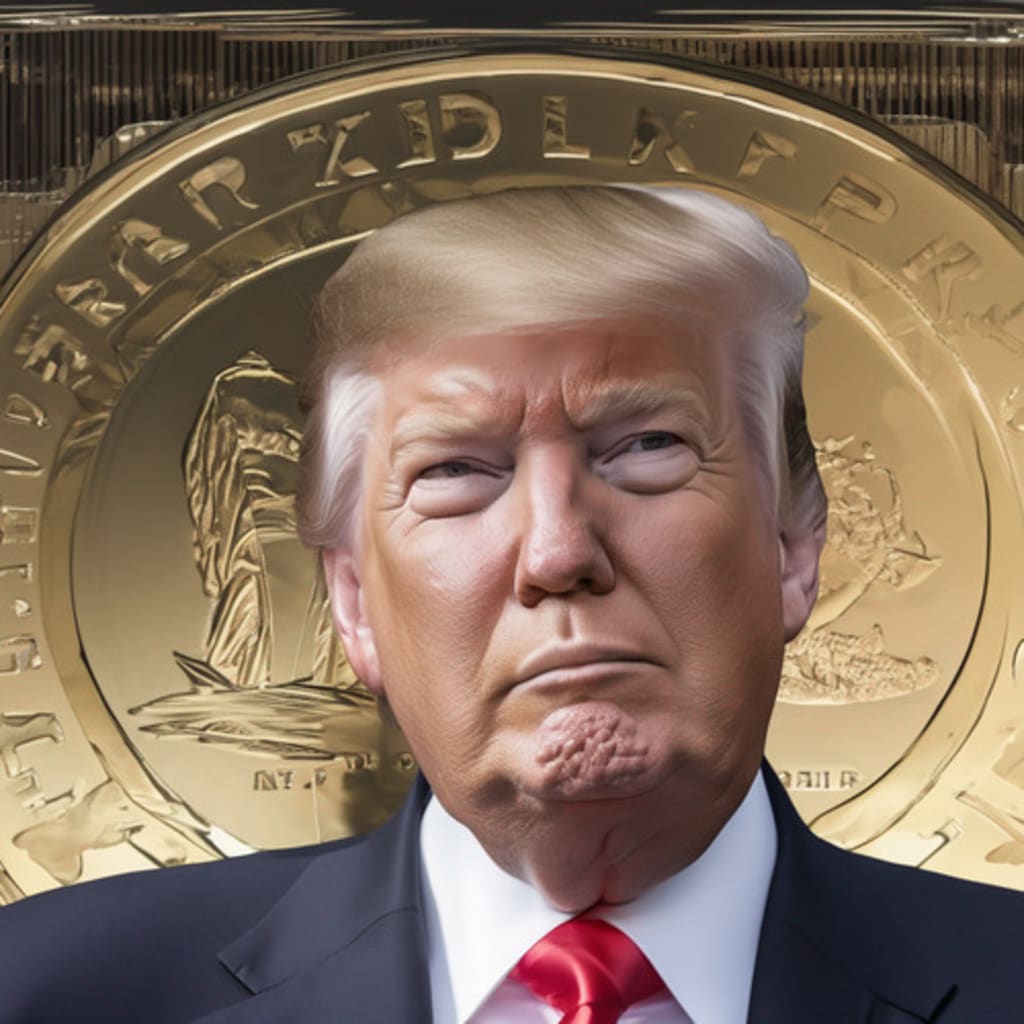
Predicted Policies and Global Impacts of Donald Trump’s Presidency
The potential return of Donald Trump to the U.S. presidency in 2025 has sparked significant speculation about the policies he might implement and their implications for key global sectors. Known for his "America First" stance, Trump’s presidency is likely to focus on reshoring industries, redefining trade agreements, recalibrating foreign relations, and exerting influence over energy markets. Below is an analysis of potential policy directions and their predicted global impacts.
Economic Policies and Trade Agreements
America First: A Reintensified Focus
Trump’s economic policy is expected to prioritize U.S. manufacturing and the reshoring of critical industries. His past presidency saw the imposition of tariffs on Chinese goods, and it’s likely he would double down on these measures in 2025. Analysts predict the following potential outcomes:
Tariff Expansion:
Projected Action: Trump could reinstate and expand tariffs, targeting $300 billion worth of imports, including advanced technologies and green energy components.
Global Impact: These measures might escalate U.S.-China tensions, prompting retaliation from China and causing disruptions in global supply chains. The World Bank estimates this could reduce global GDP growth by 0.5% annually.
New Bilateral Trade Deals:
Trump’s strategy may favor bilateral agreements over multilateral frameworks like the Trans-Pacific Partnership (TPP). Likely partners include the UK and India, focusing on defense, technology, and energy trade.
Economic Projections: Bilateral trade volume between the U.S. and the UK could increase by 25% by 2028, adding $200 billion to the bilateral GDP contribution.
De-Dollarization Resistance
Amid growing efforts by countries like China and Russia to reduce reliance on the U.S. dollar, Trump might implement policies to reinforce the dollar’s dominance. Possible steps include aggressive sanctions on non-compliant nations and financial incentives for allies to maintain dollar-based reserves.
Energy and Climate Policies
Fossil Fuel Revival
Trump’s previous presidency heavily supported the fossil fuel industry, rolling back environmental regulations to boost domestic production. In 2025, he is likely to:
Expand Oil and Gas Drilling:
Policy Actions: Open additional federal lands and offshore areas for oil and gas exploration, including Alaska’s Arctic National Wildlife Refuge.
Market Impacts: The U.S. could increase oil production by 1.5 million barrels per day (bpd) by 2026, potentially reducing global oil prices by 10% in the short term.
Pull Back from Climate Commitments:
Predicted Action: Trump might withdraw the U.S. from any new international climate agreements, prioritizing economic growth over emissions reductions.
Global Consequences: Such a move could weaken collective global climate efforts, leading to a potential 3% increase in greenhouse gas emissions by 2030.
Nuclear Energy Push
To counter criticisms of neglecting clean energy, Trump might emphasize nuclear energy as a zero-emission alternative. Increased funding for advanced nuclear reactors and public-private partnerships are expected, potentially doubling nuclear energy output by 2030.
Foreign Policy and Geopolitical Strategies
U.S.-China Relations
Trump’s stance on China is expected to harden further, with policies targeting economic decoupling, military containment, and ideological opposition. Key moves might include:
Economic Decoupling:
Policy Directions: Strengthen export controls on critical technologies, including semiconductors and AI components.
Implications: This could lead to a bifurcation of global tech supply chains, with long-term costs to both economies estimated at $500 billion by 2035.
Military Posturing:
Predicted Actions: Increase U.S. naval presence in the South China Sea and expand military alliances in the Indo-Pacific region.
Strategic Impacts: Heightened tensions could result in regional instability, affecting trade routes that account for 30% of global shipping.
Reengagement with the Middle East
Trump’s policies may focus on revitalizing ties with Gulf nations, particularly Saudi Arabia. Key objectives include stabilizing energy markets and countering Iranian influence.
Oil Diplomacy:
By strengthening OPEC+ partnerships, Trump could negotiate production adjustments to stabilize oil prices at $60-$70 per barrel.
Global Effect: This strategy might alleviate inflationary pressures in energy-dependent economies.
Military Alliances:
Increasing arms sales to Middle Eastern allies is another likely priority. Projections suggest $50 billion in arms deals could be finalized by 2026, bolstering U.S. defense exports.
Immigration and Domestic Policies
Stricter Immigration Controls
Trump’s previous policies focused on limiting immigration through border wall construction, travel bans, and stricter visa policies. These efforts are expected to intensify:
Expanded Border Security:
Action Plan: Complete additional border wall segments and deploy advanced surveillance technologies.
Economic Impact: Labor shortages in industries reliant on migrant workers, such as agriculture and construction, could lead to a 5% rise in costs for these sectors.
Visa Restrictions:
High-skilled immigration programs, such as H-1B visas, may face reduced quotas, potentially impacting the U.S. tech industry.
Projections: A 20% decrease in foreign tech talent could slow innovation and reduce GDP growth by 0.3% annually.
Financial Markets and Investor Sentiment
Stock Market Volatility
Trump’s policies are likely to create short-term market fluctuations. While tax cuts and deregulation might initially boost equity markets, trade tensions and geopolitical risks could offset these gains. Analysts project:
S&P 500 Performance:
A 7% rally in response to corporate tax reductions but potential declines of 10% during heightened U.S.-China tensions.
Gold and Bitcoin:
Safe-haven assets like gold and Bitcoin could experience increased demand. Bitcoin’s price is predicted to rise by 15%-20%, reaching $130,000 by year-end 2025.
Global Reactions and Long-Term Outlook
Allies and Adversaries
European Union:
Likely to adopt a cautious approach, balancing trade relations with the U.S. while pursuing strategic autonomy in defense and technology.
China:
Expected to retaliate through measures such as rare-earth export restrictions and strengthening economic ties with emerging markets.
Developing Nations:
Trump’s policies might shift global aid and trade dynamics, forcing developing countries to reevaluate alliances and diversify economic partners.
Long-Term Implications
Trump’s presidency could mark a pivotal shift in the global order, with lasting effects on trade, climate policy, and geopolitical alignments. The reemphasis on national sovereignty and bilateralism might challenge existing multilateral frameworks, creating a more fragmented and unpredictable international landscape.
As his policies unfold, the world will closely watch their implications, not just for the U.S., but for the interconnected global economy and geopolitical stability.
About the Creator
Gabil
Article writer and storyteller, crafting engaging content and compelling stories that inspire and provoke thought.
A Transparent Look at Vocal Challenges and Top Stories
Almost three years ago, we shared a resource article that served as a place for people to suggest new challenge prompts. We thought it would be a good idea to refresh that thread, and take the opportunity to answer a few common questions about top stories, how challenges are judged and how submissions are reviewed.
By Vocal Curation Team4 days ago in Resources




Comments
There are no comments for this story
Be the first to respond and start the conversation.