
Portable Concrete Mixers: Choosing the Right On-Site Mixing Solution
Let's explore their features and applications.

Portable concrete mixers bring professional mixing capabilities to any job site. These compact machines eliminate the need for stationary batching plants. Contractors and DIY enthusiasts alike benefit from their flexibility and convenience.
Today's market offers two primary options: traditional portable mixers and advanced self-loading models. Understanding their differences helps you make informed purchasing decisions. Let's examine their features, benefits, and ideal applications.
Standard Portable Concrete Mixers: Compact and Reliable
Standard portable concrete mixers provide basic mixing functionality in a mobile package. They typically feature:
Steel drum capacities from 80 to 200 liters
Electric or gasoline-powered engines
Tilt-and-pour discharge mechanisms
Wheel-mounted frames for easy movement
These mixers work best for:
Small residential projects
DIY concrete work
Repair and maintenance jobs
Locations with power access
Prices range from $300 for basic models to $2,500 for commercial-grade units. Their simplicity makes them popular among homeowners and small contractors.
Self-Loading Concrete Mixers: Advanced Mobility
The self-loading mixer represents the next generation of portable mixing technology. Key features include:
Integrated material loading systems
Automated weighing controls
Larger 1-2 cubic meter capacities
All-terrain mobility options
Diesel or dual-power operation
These excel at:
Medium-scale commercial projects
Remote job sites
Independent operations
Frequent relocation needs
Investment ranges from $30,000 to $75,000. The higher cost reflects their advanced capabilities and labor-saving benefits.
5 Key Advantages of Portable Mixers
Modern portable mixers offer compelling benefits:
Enhanced productivity - Mix concrete exactly when needed
Reduced waste - Prepare precise batch quantities
Better quality - Freshly mixed concrete performs better
Labor savings - Require fewer workers on site
Site flexibility - Work in constrained or remote locations
These advantages make them indispensable for time-sensitive projects.
Choosing Between Standard and Self-Loading Models
Consider these factors when selecting:
Project Scale
Small jobs: Standard portable mixers
Medium/large projects: Self-loading models
Mobility Needs
Occasional moves: Basic wheeled units
Frequent relocation: Self-loading with all-terrain capability
Power Requirements
Urban sites: Electric models
Remote locations: Diesel-powered units
Budget Considerations
Immediate needs: Affordable standard mixers
Long-term use: Invest in self-loading technology
Essential Maintenance Practices
Proper care ensures long service life:
Clean mixing drums thoroughly after each use
Lubricate all moving parts weekly
Check engine oil and hydraulic fluids regularly
Inspect electrical components monthly
Store in dry conditions during off-seasons
Follow manufacturer maintenance schedules for optimal performance.
Top Applications for Portable Mixers
These versatile machines handle numerous tasks:
Construction Projects
Small foundations
Footings and slabs
Retaining walls
Repair Work
Sidewalk patches
Road repairs
Driveway renovations
Specialty Applications
Landscaping features
Decorative concrete
Remote site work
Cost Comparison: What to Expect
Price ranges vary significantly:
Standard Portable Mixers
Entry-level: $300-$800
Mid-range: $800-$1,500
Professional: $1,500-$2,500
Self-Loading Mixers
Basic models: $30,000-$45,000
Mid-range: $45,000-$60,000
Premium units: $60,000-$75,000
Consider total cost of ownership, not just purchase price.
Making the Right Investment Decision
Evaluate your specific needs:
Assess your typical project requirements
Calculate expected usage frequency
Determine necessary features
Set a realistic budget
Research local support options
For occasional use, standard mixers suffice. Professional contractors benefit from self-loading capabilities.
Conclusion: Matching Needs to Solutions
Portable concrete mixers offer practical solutions for diverse applications. Standard models provide affordable mixing for small projects. Self-loading units deliver professional-grade performance for demanding jobs.
Choosing the right type depends on your specific requirements and budget. Both options significantly improve on-site efficiency compared to manual mixing.
Ready to explore portable mixer options? Contact our equipment specialists today for personalized recommendations. We'll help you find the perfect match for your concrete mixing needs.
About the Creator
consrtuctionmachines
AIMIX is a customer-center-oriented heavy equipment manufacturer and supplier, devoted to production, innovation, combination, one-stop solution, etc.
https://aimixgroup.com/
Keep reading
More stories from consrtuctionmachines and writers in 01 and other communities.
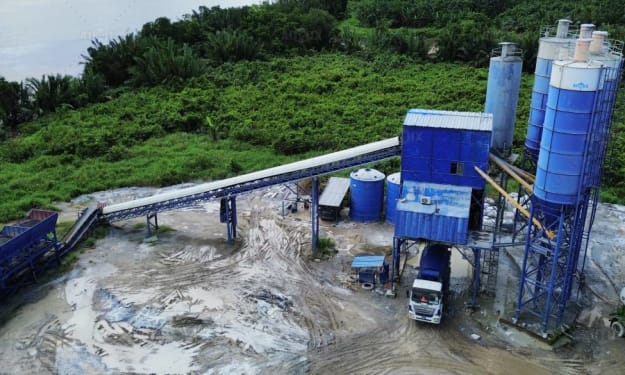
Water and Energy Conservation Technologies in Stationary Concrete Batching Plants
As environmental awareness grows worldwide, the construction industry is under increasing pressure to adopt sustainable practices. One of the key components in modern construction is concrete production, where stationary concrete batching plants play a vital role. These plants are essential for producing large volumes of high-quality concrete, particularly for infrastructure, commercial, and residential projects. However, concrete production is traditionally resource-intensive, consuming significant amounts of water and energy. To address these challenges, innovative water and energy conservation technologies have been integrated into stationary concrete batching plants, improving sustainability while maintaining productivity.
By consrtuctionmachines7 months ago in 01
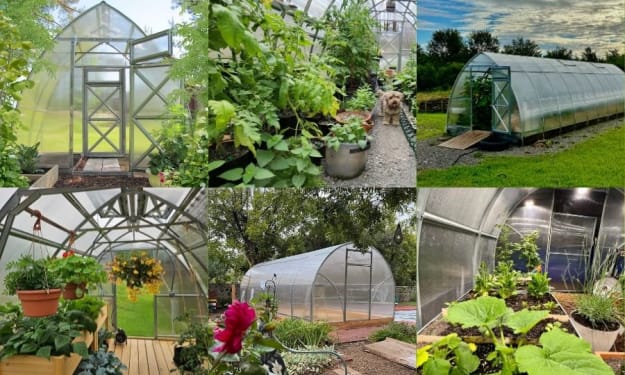
Choosing the Best Winter Proof Greenhouse in Canada: A Complete Guide
Gardening in Canada can be challenging due to the country’s long, cold winters and unpredictable weather. However, with the right greenhouse setup, growing plants throughout the year becomes possible. A winter proof greenhouse allows gardeners to extend their growing season, protect plants from harsh weather, and maintain ideal growing conditions even during freezing temperatures. Today, many people are investing in greenhouse kits and durable structures designed specifically for Canadian climates.
By charliesamuela day ago in 01


Comments
There are no comments for this story
Be the first to respond and start the conversation.