

Introduction
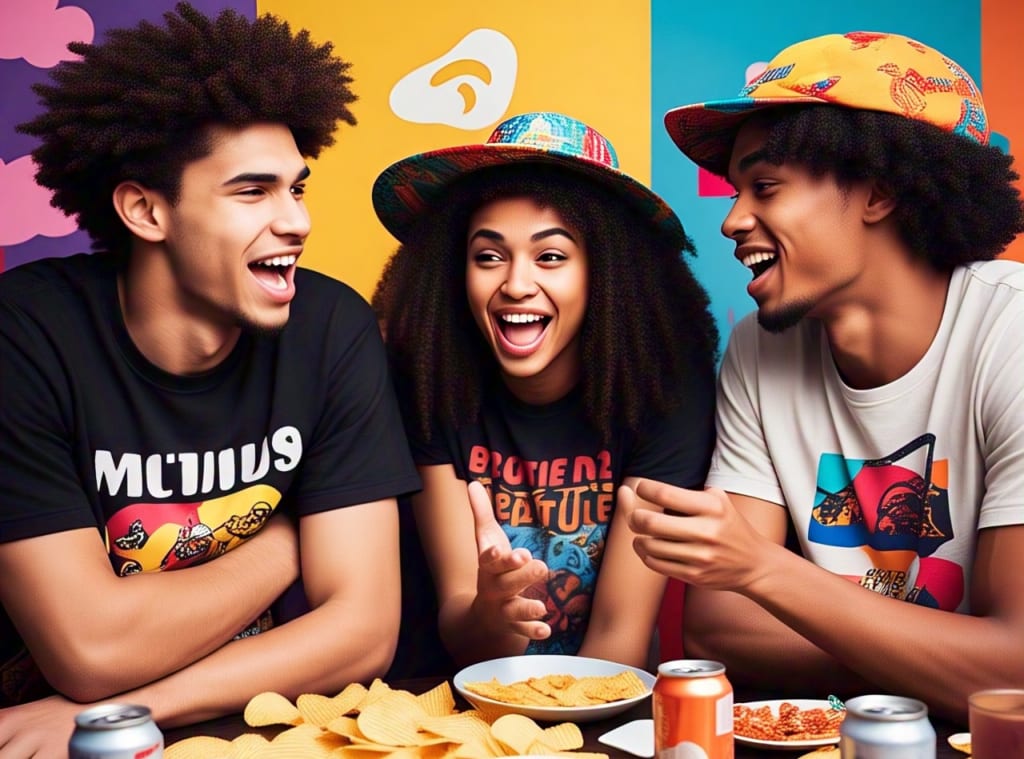
Pop culture, short for popular culture, encompasses the ideas, perspectives, attitudes, images, and other phenomena that are within the mainstream of a given culture. It is heavily influenced by mass media and has a significant impact on everyday life, including fashion, music, politics, sports, and technology. This paper explores the evolution of pop culture, its key components, and its influence on contemporary society.
Historical Evolution
The roots of modern pop culture can be traced back to the early 20th century with the advent of mass media such as radio, film, and later, television. These mediums allowed for the widespread dissemination of cultural products, making entertainment and information accessible to a larger audience. The post-war era saw the rise of new cultural icons and movements, from the rebellious rock 'n' roll of the 1950s to the countercultural revolution of the 1960s. The 1980s and 1990s introduced new technological advancements, including the proliferation of cable television and the internet, which further expanded the reach and influence of pop culture. The digital age has brought about a new era of instant communication and global connectivity, with social media platforms like Instagram, Twitter, and TikTok playing a pivotal role in shaping and spreading popular culture.
Key Components
Pop culture is composed of various elements that together create a tapestry of contemporary life. Music, films, television shows, and celebrities are among the most visible and influential components. Music genres such as pop, rock, hip-hop, and electronic dance music (EDM) have defined generations and continue to evolve, reflecting social and technological changes. Films and television shows not only entertain but also reflect and shape societal values and norms. Iconic movies and TV series often become cultural touchstones, influencing fashion, language, and lifestyle choices.
Celebrities, including actors, musicians, and social media influencers, play a significant role in pop culture. They serve as trendsetters and opinion leaders, their lives and actions closely followed by millions. Social media platforms have amplified their influence, allowing celebrities to interact directly with their fans and share their personal lives, views, and endorsements in real time.
Influence on Society
Pop culture has a profound impact on various aspects of society. It shapes identities and social norms, providing a shared language and set of references that people use to connect with one another. Fashion trends, for example, are often dictated by what celebrities wear, while slang and catchphrases from movies or TV shows become part of everyday conversation. Pop culture also influences political views and social movements. Music and film have historically been platforms for expressing dissent and advocating for change. For instance, the civil rights movement of the 1960s and the LGBTQ+ rights movement have been significantly supported by artists and celebrities using their platforms to raise awareness and call for action.
Furthermore, pop culture drives economic activity. The entertainment industry is a major economic force, generating billions of dollars in revenue worldwide. This includes not only the direct sale of media products but also merchandising, advertising, and live performances. The fashion industry, influenced by celebrity trends, is another significant economic sector, with global reach and impact.
Challenges and Criticisms
Despite its pervasive influence, pop culture is not without its critics. Some argue that it promotes superficiality, consumerism, and a homogenized view of the world, overshadowing local and traditional cultures. There are also concerns about the impact of celebrity culture on self-esteem and body image, particularly among young people. Additionally, the rapid dissemination of pop culture through digital media can lead to the spread of misinformation and harmful content.
Conclusion
Pop culture is a dynamic and influential force in modern society, shaping our identities, social norms, and economic activities. Its evolution reflects broader social and technological changes, and its impact is felt across all aspects of daily life. While it faces criticism and challenges, the role of pop culture in connecting people and reflecting societal values cannot be understated. As we move further into the digital age, the reach and influence of pop culture will undoubtedly continue to grow, offering new opportunities and challenges for society.
About the Creator
Dali
Writer on current and relevant topics. Sharing insights with humor and creativity. Let's dive into the future together.
How to Hire a Mobile App Developer in St. Louis 2026
The regional tech landscape has shifted significantly. The decision to hire a mobile app developer in St. Louis 2026 is now a strategic choice. St. Louis has evolved from a traditional manufacturing hub. It is now a center for agtech and geospatial technology. Financial services also drive the local economy forward.
By Del Rosario5 days ago in 01
Thief In The Night
To the thief in the night that took and replicated what once was mine: Honestly, I feel kind of bad for you. It’s funny, because we hardly know each other. I only know of you through the magazines you’ve written and the broadcasts you have televised in the past — as well as through the public mentions of you from your show business connections there.
By Snarky Lisa7 days ago in Humans



Comments
There are no comments for this story
Be the first to respond and start the conversation.