

Introduction
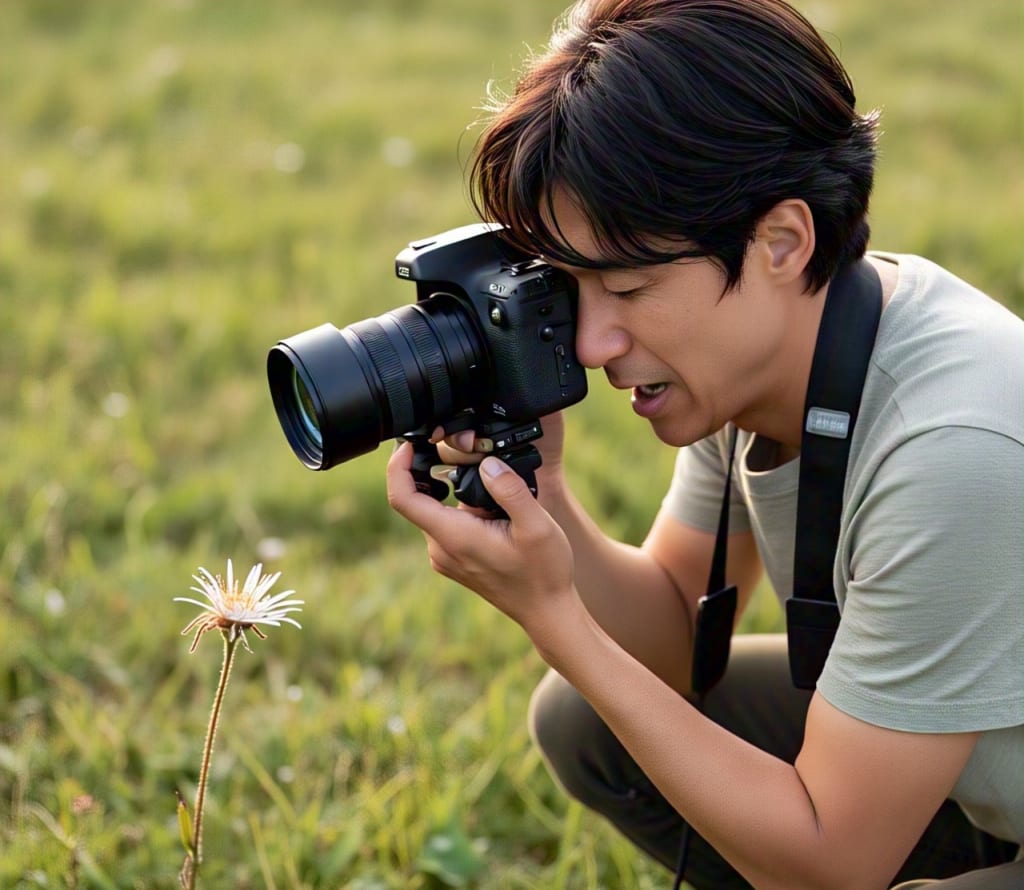
Photography, an art form that blends technical skills and creative vision, has profoundly impacted our way of documenting and interpreting the world around us. By freezing moments in time, photographers create powerful narratives that evoke emotions, tell stories, and offer unique perspectives on life. This paper delves into the evolution of photography, its techniques, and its role in contemporary society.
Historical Evolution
The journey of photography began in the early 19th century with the invention of the camera obscura and the daguerreotype. These early methods laid the foundation for modern photography, evolving through significant milestones such as the development of film cameras, the rise of color photography, and the advent of digital technology. Each era introduced new possibilities, expanding the boundaries of what could be captured and shared. The 20th century saw tremendous advancements, with the introduction of 35mm film, instant cameras like the Polaroid, and the transition to digital cameras in the late 20th and early 21st centuries. This evolution has democratized photography, making it accessible to a broader audience and encouraging creative experimentation across diverse genres.
Technical Aspects
Understanding the technical aspects of photography is crucial for mastering the art. Key elements include exposure, composition, and lighting. Exposure, determined by the aperture, shutter speed, and ISO, controls the amount of light that reaches the camera sensor. Composition involves the arrangement of visual elements within the frame, guided by principles such as the rule of thirds, leading lines, and symmetry. Lighting, both natural and artificial, plays a pivotal role in setting the mood and enhancing the subject's features. Advanced techniques such as long exposure, HDR (High Dynamic Range), and macro photography further expand the creative possibilities, allowing photographers to capture stunning details and dynamic scenes that might be invisible to the naked eye.
Creative Expression
Photography is not merely about capturing images; it is a form of creative expression. Photographers use their cameras as tools to communicate their vision, explore themes, and experiment with different styles. From portraiture and landscape to street and abstract photography, each genre offers a distinct way to engage with the world. Portrait photography focuses on capturing the essence of individuals, often evoking deep emotions and personal stories. Landscape photography, on the other hand, emphasizes the beauty and majesty of natural and urban environments, encouraging viewers to appreciate the world around them. Street photography captures candid moments of everyday life, providing a raw and unfiltered glimpse into human experiences. Post-processing techniques, such as editing and retouching, further allow photographers to refine their work and bring their artistic ideas to life. Tools like Adobe Photoshop and Lightroom offer extensive capabilities for color correction, exposure adjustment, and creative effects, enabling photographers to transform their raw images into polished, impactful works of art.
Impact on Society
In contemporary society, photography holds immense significance. It serves as a medium for journalism, documenting events and conveying news to the public. Iconic photographs, such as those capturing historic moments like the moon landing or the fall of the Berlin Wall, have the power to shape public opinion and preserve collective memory. In the realm of social media, photography shapes personal identities and fosters connections. Platforms like Instagram and Pinterest allow users to share their visual stories, connect with like-minded individuals, and even build careers as influencers and content creators. Moreover, photography plays a vital role in advertising, fashion, and the arts, influencing trends and culture. In advertising, compelling visuals are essential for capturing attention and conveying brand messages effectively. In fashion, photography showcases designs, sets trends, and creates aspirational imagery that defines the industry. In the arts, photography is both a medium and a subject of exploration, with countless exhibitions, books, and projects dedicated to its myriad forms and interpretations.
Conclusion
Photography, with its blend of technical precision and creative flair, continues to evolve and inspire. As an accessible and versatile art form, it empowers individuals to capture and share their unique perspectives, enriching our collective understanding of the world. The journey of photography is a testament to its enduring power to capture the essence of life. As technology advances and new generations of photographers emerge, the boundaries of this art form will continue to expand, revealing new ways to see, interpret, and appreciate the world around us.
About the Creator
Dali
Writer on current and relevant topics. Sharing insights with humor and creativity. Let's dive into the future together.
Shadow Fist: An Underground MMA Drama About Survival and Redemption
Set against the gritty backdrop of Mexico City’s underground fighting scene, the film tells the story of Maya Cross, a woman forced to rebuild her life in the most unexpected way — inside an illegal mixed martial arts ring.
By Andreas Szakacsa day ago in 01



Comments
There are no comments for this story
Be the first to respond and start the conversation.