

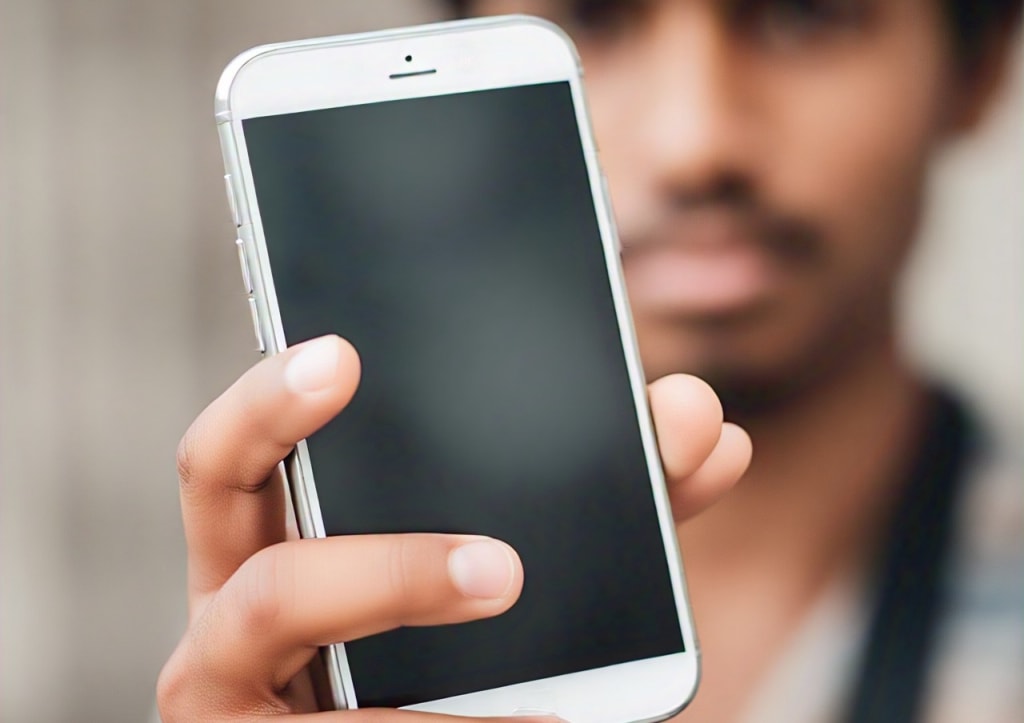
Introduction
Mobile technology has profoundly transformed the way we live, work, and interact with the world around us. From the inception of the first mobile phones to the modern-day smartphones, the evolution of mobile technology has been rapid and has brought about significant changes in various aspects of our lives.
Historical Development
The journey of mobile technology began in the early 1970s when the first handheld mobile phone call was made by Martin Cooper of Motorola. These early mobile phones were primarily used for voice communication and were limited by their large size and short battery life. The introduction of the first commercially available mobile phone, the Motorola DynaTAC, in 1983 marked a significant milestone in mobile technology. Despite its high cost and bulky design, it paved the way for further advancements in mobile communication.
The 1990s saw the advent of 2G networks, which introduced digital encryption and SMS messaging. This era also witnessed the development of smaller, more affordable mobile phones, making mobile communication accessible to a broader audience. The transition from analog to digital networks significantly improved call quality and network capacity.
The early 2000s brought the introduction of 3G networks, which enabled mobile internet connectivity. This marked the beginning of the mobile internet era, allowing users to access the web, send emails, and download multimedia content on their phones. The launch of the first iPhone in 2007 revolutionized the mobile phone industry, introducing a touch screen interface and a wide range of applications. The iPhone set new standards for mobile devices and sparked the smartphone revolution.
The rollout of 4G networks in the 2010s brought even faster internet speeds and improved connectivity. This era saw the proliferation of smartphones, with manufacturers like Samsung, Google, and Huawei introducing innovative devices with advanced features. Mobile apps became an integral part of daily life, offering services ranging from social networking and entertainment to banking and healthcare.
Modern Mobile Devices
Today's mobile devices are powerful computers that fit in our pockets. They are equipped with high-resolution cameras, GPS navigation, and access to a vast array of applications. Smartphones have become essential tools for personal and professional use, offering functionalities that go beyond traditional communication.
The integration of advanced technologies such as artificial intelligence (AI), augmented reality (AR), and biometrics has further enhanced the capabilities of mobile devices. AI-powered virtual assistants like Siri, Google Assistant, and Alexa have made it easier for users to perform tasks, get information, and control smart home devices using voice commands. AR technology has enabled innovative applications in gaming, education, and retail, providing immersive experiences that blend the physical and digital worlds.
Biometric authentication, including fingerprint and facial recognition, has improved the security of mobile devices, making them more secure and user-friendly. Mobile payment solutions like Apple Pay, Google Pay, and Samsung Pay have revolutionized the way we make transactions, offering convenient and secure payment options.
Impact on Communication
Mobile technology has revolutionized communication, enabling instant connectivity across the globe. Social media platforms, messaging apps, and video conferencing tools have redefined how we interact with friends, family, and colleagues. The ability to stay connected anytime, anywhere has broken down geographical barriers and fostered a more connected world.
Messaging apps like WhatsApp, Telegram, and Signal have replaced traditional SMS, offering free and encrypted communication. Social media platforms such as Facebook, Twitter, and Instagram have become essential tools for sharing information, expressing opinions, and connecting with others. Video conferencing tools like Zoom, Microsoft Teams, and Google Meet have become indispensable for remote work, education, and social interactions, especially during the COVID-19 pandemic.
The rise of mobile technology has also had a significant impact on journalism and information dissemination. News apps and social media platforms enable real-time reporting and instant access to information. Citizen journalism has emerged as a powerful force, allowing individuals to share news and stories directly from their mobile devices.
Influence on Daily Life
The impact of mobile technology extends to nearly every aspect of daily life. Mobile apps have revolutionized industries such as banking, shopping, healthcare, and entertainment. From mobile banking apps that allow us to manage finances on the go, to streaming services that provide instant access to movies, music, and games, mobile technology has made life more convenient and efficient.
In the healthcare sector, mobile technology has enabled telemedicine, allowing patients to consult with doctors remotely and access medical information through health apps. Fitness apps and wearable devices like smartwatches track physical activity, monitor health metrics, and provide personalized fitness recommendations.
The retail industry has also been transformed by mobile technology. E-commerce apps enable users to shop online, compare prices, and make purchases with just a few taps on their mobile devices. Mobile wallets and digital payment solutions have streamlined the checkout process, making transactions faster and more secure.
In the realm of entertainment, streaming services like Netflix, Spotify, and YouTube have changed the way we consume media. Mobile devices provide a platform for on-demand access to a wide range of content, from movies and TV shows to music and podcasts. Mobile gaming has also gained popularity, with a diverse selection of games available for download on smartphones and tablets.
Future Trends
As we look to the future, mobile technology shows no signs of slowing down. Emerging trends such as 5G networks, artificial intelligence, and the Internet of Things (IoT) promise to further enhance the capabilities of mobile devices. These advancements are expected to drive innovation in areas such as autonomous vehicles, smart homes, and wearable technology.
The rollout of 5G networks is set to revolutionize mobile communication by offering faster speeds, lower latency, and higher capacity. This will enable new applications and services, such as augmented and virtual reality experiences, real-time remote surgery, and smart city infrastructure.
Artificial intelligence will continue to play a significant role in the evolution of mobile technology. AI-powered applications will become more sophisticated, offering personalized experiences, predictive analytics, and enhanced automation. The integration of AI with IoT will create a seamless and interconnected ecosystem, where devices communicate and collaborate to improve efficiency and convenience.
Wearable technology is also expected to evolve, with advancements in health monitoring, fitness tracking, and augmented reality. Smartwatches, fitness bands, and augmented reality glasses will offer new ways to interact with the digital world and monitor our health and well-being.
Conclusion
The evolution of mobile technology has had a profound impact on society, reshaping how we communicate, work, and entertain ourselves. As technology continues to advance, it will undoubtedly bring even more changes and opportunities, further integrating mobile devices into the fabric of our daily lives. The future of mobile technology holds exciting possibilities, and its continued development promises to enhance our lives in ways we have yet to imagine.
About the Creator
Dali
Writer on current and relevant topics. Sharing insights with humor and creativity. Let's dive into the future together.
Web3 Mobile Apps: What Actually Changes When You Build One
If you spend enough time around product teams, you’ll notice that Web3 tends to enter conversations in two very different ways. Sometimes it shows up as marketing language — the “future of the internet” narrative. Other times it appears as a practical engineering question: what actually changes when parts of your mobile stack stop living on your own servers?
By Valeriia Shulga4 days ago in 01



Comments
There are no comments for this story
Be the first to respond and start the conversation.