
Cloud Computing in Healthcare: A Comprehensive Guide
Revolutionizing Patient Care and Operations: The Role of Cloud Computing in Healthcare Transformation
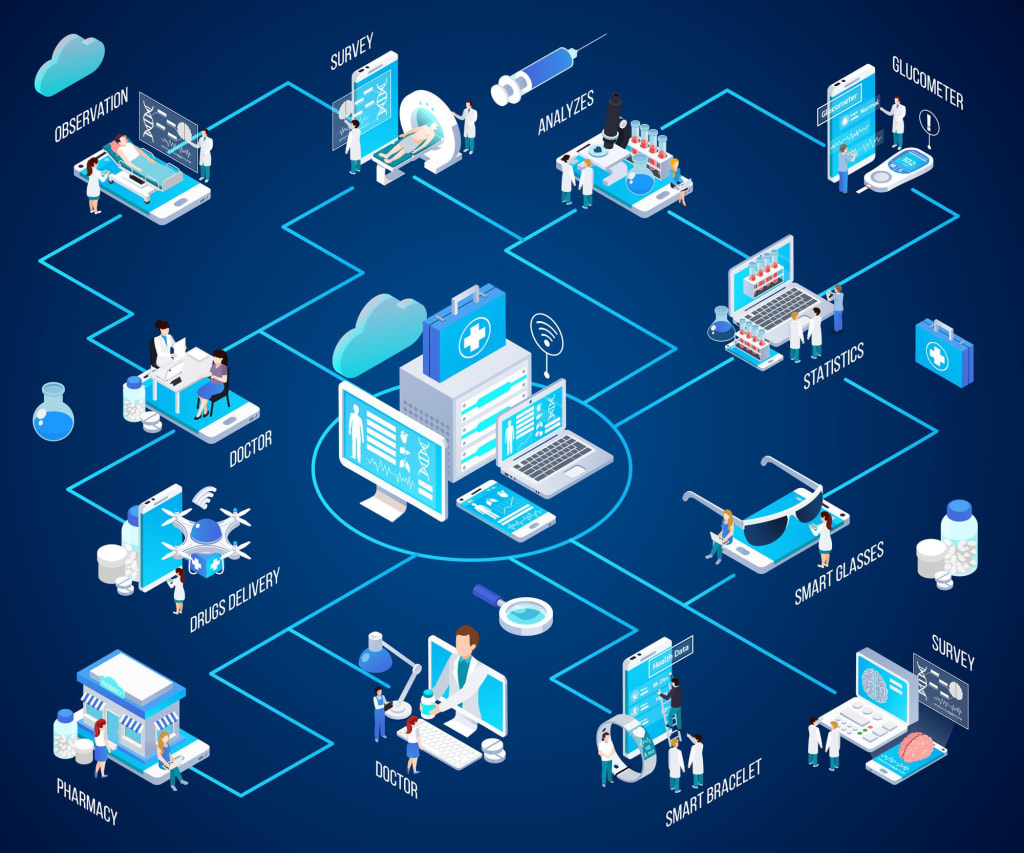
The healthcare industry has traditionally been cautious about adopting cloud computing, mainly due to concerns about data security, compliance, and cost. Historically, healthcare providers have preferred to host sensitive patient data on on-site servers, maintaining full control over storage, maintenance, and security. However, the Covid-19 pandemic reshaped this perspective, exposing the limitations of traditional IT infrastructure and highlighting the potential of cloud computing to enhance patient care and operational efficiency.
This article explores the role of cloud computing in healthcare, the challenges it addresses, and the transformative potential of healthcare IT consulting services and healthcare IT consulting companies in this journey.
Why Has Digital Transformation in Healthcare Been Slow?
1. Compliance Concerns
Healthcare organizations must comply with strict regulations like HIPAA and GDPR to safeguard sensitive patient data, including biometrics, financial records, and contact information. These regulations have historically made healthcare providers hesitant to adopt cloud solutions, fearing potential breaches or non-compliance.
2. Resource Allocation
Investments in new medical equipment, staff, and treatments often take precedence over IT infrastructure upgrades. This prioritization has left many organizations relying on legacy systems that struggle to meet modern demands.
3. Data Silos
Traditional on-site hosting creates silos, limiting data accessibility across departments and hindering cross-functional collaboration. These silos restrict healthcare providers from gaining a holistic view of patient records, impacting decision-making and care delivery.
How the Pandemic Accelerated Cloud Adoption
The Covid-19 pandemic placed unprecedented strain on healthcare systems, bringing existing IT infrastructure shortcomings to light and catalyzing a shift toward cloud computing.
Key Challenges Highlighted by the Pandemic
- Increased IT Demands: IT teams were overwhelmed with maintaining on-site systems, troubleshooting bugs, and adapting to hybrid work environments, leaving little room for innovation.
- Remote Work Requirements: The need for remote access to patient data and collaboration tools exposed the limitations of on-premises hosting.
- Physical Space Constraints: Expanding treatment areas during the pandemic emphasized the inefficiency of dedicating physical space to on-site servers.
- Rising Cybersecurity Threats: The healthcare industry experienced a 51% increase in data breaches from 2019 to 2021, prompting organizations to explore third-party cloud solutions with advanced security measures.
The Cloud Advantage
Cloud computing emerged as a solution to these challenges by:
- Enabling Scalability: Cloud platforms can adapt to fluctuating demands, supporting increased data storage and processing needs.
- Enhancing Collaboration: Remote teams can securely access and share patient data, ensuring seamless care delivery.
Reducing IT Burdens: Third-party providers handle infrastructure maintenance, allowing healthcare IT teams to focus on strategic, patient-centric initiatives.
Benefits of Cloud Computing in Healthcare
- Improved Patient Care : Cloud platforms enable real-time data access, facilitating faster decision-making and better patient outcomes. Telemedicine and remote patient monitoring tools, powered by cloud computing, have revolutionized care delivery.
- Enhanced Data Security : Leading cloud providers implement advanced encryption, multi-factor authentication, and compliance certifications to protect sensitive healthcare data. Shifting cybersecurity responsibilities to trusted providers reduces the risk of breaches.
- Cost Efficiency : Cloud computing eliminates the need for costly on-site infrastructure and reduces maintenance expenses. Organizations pay only for the resources they use, optimizing IT budgets.
- Seamless Integration : Cloud solutions integrate easily with existing healthcare systems, breaking down data silos and enabling a unified, patient-centric tech stack.
- Scalability and Flexibility : Cloud platforms scale effortlessly to accommodate growing data volumes, supporting healthcare organizations as they expand or adopt new technologies.
How Healthcare IT Consulting Services Drive Cloud Adoption
Transitioning to cloud computing is complex and requires careful planning, execution, and ongoing support. This is where healthcare IT consulting services come into play.
Role of Healthcare IT Consulting Companies
- Strategic Planning : Healthcare IT consultants assess an organization’s existing infrastructure and develop a roadmap for cloud adoption, ensuring alignment with operational goals and regulatory requirements.
- Compliance Assurance : Experienced consultants ensure that cloud solutions meet compliance standards, such as signing Business Associate Agreements (BAAs) for HIPAA compliance.
- Custom Solutions : By understanding the unique needs of each organization, IT consulting firms deliver tailored solutions that optimize workflows and enhance patient care.
- Ongoing Support: Healthcare IT consulting companies provide continuous monitoring and maintenance to ensure the cloud infrastructure remains secure, scalable, and efficient.
Key Considerations for Cloud Adoption in Healthcare
- Executive Sponsorship : Securing buy-in from leadership is critical for successful cloud adoption. Executive sponsorship ensures the necessary resources and funding are allocated to the initiative.
- Organizations must integrate cloud solutions to eliminate data silos, enabling cross-department collaboration and providing a comprehensive view of patient records.
- Choose cloud platforms that can grow with your organization, avoiding the need for costly upgrades in the future.
- Evaluate cloud providers based on their security features, compliance certifications, and ability to meet regulatory requirements.
The Future of Cloud Computing in Healthcare
The adoption of cloud computing in healthcare is projected to grow at a compound annual growth rate (CAGR) of 17.4%, reaching a market valuation of $280 million by 2030. This growth underscores the transformative impact of cloud technology on the industry.
As healthcare organizations continue to modernize their IT infrastructure, cloud computing will play a pivotal role in:
- Advancing Telemedicine: Supporting virtual consultations and remote monitoring at scale.
- Enabling Precision Medicine: Leveraging AI and machine learning to deliver personalized treatment plans.
- Enhancing Operational Efficiency: Streamlining workflows and reducing administrative burdens.
Conclusion
Cloud computing is no longer just an option for healthcare organizations—it’s a necessity. By partnering with a trusted healthcare IT consulting company, providers can navigate the complexities of cloud adoption and unlock its full potential. From enhancing patient care to improving operational efficiency, the benefits of cloud computing in healthcare are undeniable.
Now is the time for healthcare organizations to embrace this transformative technology and build a future-ready IT infrastructure that meets the evolving needs of patients and providers alike.
About the Creator
Keep reading
More stories from Stephan Hawke and writers in 01 and other communities.
Healthcare Software Development Services & Remote Patient Monitoring Software: Revolutionizing Patient Care
Introduction The healthcare industry is undergoing rapid digital transformation, with technologies like remote patient monitoring software (RPM) playing a pivotal role. RPM software allows healthcare providers to monitor patients outside traditional clinical settings, improving patient outcomes and reducing healthcare costs. The creation of such software is spearheaded by medical software development companies, which deliver tailored solutions to meet specific healthcare needs. In this article, we’ll explore how healthcare software development services are revolutionizing remote patient care.
By Stephan Hawkeabout a year ago in 01
Hospital App Development: Cost and Planning Guide
I was sat in a Texas clinic last week, fixin' to get my knee looked at. The app for the hospital wouldn't load my chart. Fair dinkum, it was useless. It’s 2026. We have robot taxis, yet my doctor's app acts like a 2004 flip phone.
By Sherry Walkerabout 7 hours ago in 01
These Billionaires Bet Big On GreenLand—After Trump Took Interest
Topline Just months after President Donald Trump first expressed interest in the United States possibly gaining control over Greenland, some of the richest people in the world—including Jeff Bezos, Bill Gates and Michael Bloomberg—began making strategic investments in the mineral-rich island.
By Dena Falken Esq3 days ago in 01
How, Too
Many people wonder how, too. You are not alone, and I am an expert. I will teach you how, too! First, you need to remit a small application fee and fill out an application describing the nature of your financial situation and how often payments will be made, as this will have great bearing on how well I teach you how, too.
By Harper Lewis4 days ago in Fiction




Comments
There are no comments for this story
Be the first to respond and start the conversation.