
Papua New Guinea:
Culture and Traditions of Kerema, Gulf Province
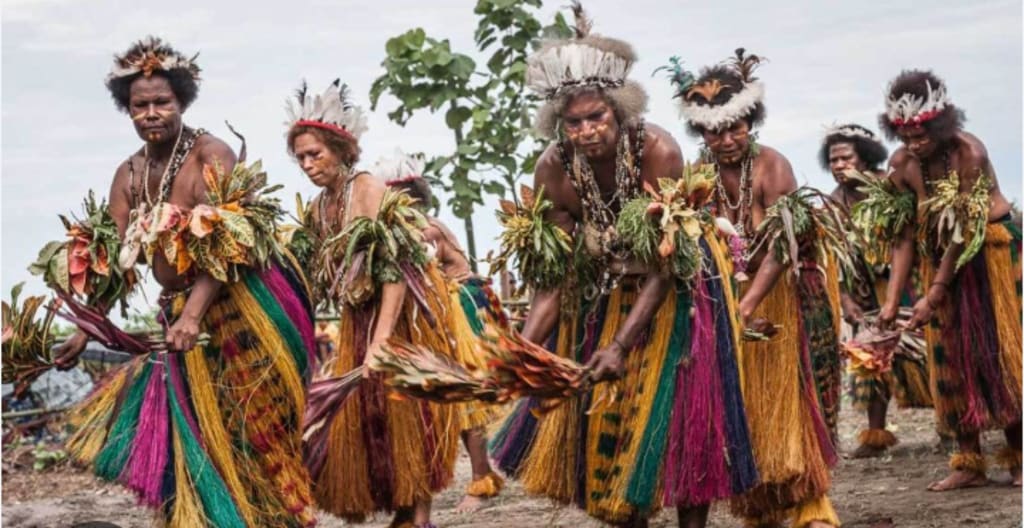
Papua New Guinea is a culturally rich and diverse country, home to over 800 languages and hundreds of distinct ethnic groups. One of its unique regions is Kerema, the capital of Gulf Province, located on the southern coast. Kerema and the Gulf Province are known for their lush rainforests, rivers, and coastal beauty, which have significantly influenced the lives, traditions, and spiritual beliefs of the people in this area. Let’s delve into some of the cultural practices, art forms, festivals, and traditional knowledge that make the Gulf Province, particularly Kerema, unique.
1. Languages and Ethnic Groups
In Gulf Province, the local languages are as varied as the geography itself, with people speaking multiple dialects. The Toaripi, Elema, and Kerewo are some of the prominent ethnic groups within the region, each with its own languages and dialects, oral histories, and traditional practices. While Tok Pisin and English are commonly spoken across the country, most people in Kerema use their native languages for everyday communication, maintaining a strong connection to their cultural roots.
2. Oral Traditions and Storytelling
Storytelling holds an essential place in Kerema’s cultural fabric. Elders pass down stories to younger generations through oral traditions, sharing history, legends, and cultural values. These stories often feature local heroes, mythological creatures, and moral lessons. Some tales revolve around the spirits of the rainforest and rivers, which are believed to protect the land and its people. Storytelling sessions, often held during gatherings, serve as both education and entertainment, creating a collective sense of identity among the people of Gulf Province.
3. Art and Craft
The people of Kerema are known for their distinctive art forms, which are tied deeply to their environment. Wood carving, particularly of spirit boards known as "Gope" boards, is a traditional art form in the Gulf Province. Gope boards are intricately carved and painted with symbols representing ancestral spirits and protectors, and they are often kept in houses to safeguard the family. Some families believe that these boards connect them to their ancestors, giving them guidance and protection.
Tattooing is another traditional art form for Gulf Province women, especially among the Elema people. These tattoos are not just decorative but also serve as indicators of social status, family lineage, and rites of passage. Each design has symbolic meaning, and the process is often accompanied by ritual songs and blessings.
4. Dance and Music
Traditional dances and music play a central role in the social life of Kerema’s communities, especially during ceremonial events and festivals. One prominent form of dance is the "sing-sing," where participants dress in colorful costumes and body paint, creating a vibrant display of the community's unity. The costumes often include headdresses, made from feathers, and shells, and the dances are usually accompanied by drums and chanting. The themes of these sing-sings vary, ranging from harvest celebrations to initiations and spiritual ceremonies.
Drumming, in particular, is a vital aspect of music in Kerema. Traditional drums, carved from wood and decorated with intricate designs, are used to maintain the rhythm in dances and songs, connecting the performers with their spiritual beliefs. These performances often represent the relationship between the people and their land, celebrating the life force they believe exists in nature.
5. Spiritual Beliefs and Practices
In Kerema, the natural world holds deep spiritual significance. Rivers, trees, and animals are often considered as having their own spirit, and it is common to seek the blessing of these natural elements before significant events or decisions. Ancestor worship is another essential element, with people believing that their deceased family members continue to influence and protect their lives. This connection to ancestors is especially visible in rituals, where family members might dedicate offerings or perform ceremonies to honor and seek guidance from their forebears.
The Kerema people practice various forms of divination and healing. Traditional healers, or shamans, are respected figures who often serve as intermediaries between the human and spiritual worlds. They perform healing rituals using local herbs and plant remedies, many of which are passed down through generations, showcasing the community's extensive knowledge of the medicinal properties found within their natural environment.
6. Festivals and Community Gatherings
Festivals in Gulf Province, including in Kerema, are important times for cultural expression and community bonding. Some of the major events include annual harvest festivals, which are opportunities to thank the spirits for their blessings and to pray for future abundance. During these celebrations, communities come together to enjoy feasts, share stories, and engage in traditional dances and music.
One notable event is the Hiri Moale Festival, celebrated by the Gulf and neighboring Central Provinces. Although it primarily centers around the Motuan people, this festival is significant to the Gulf communities as it commemorates traditional trading routes. The festival includes reenactments of the ancient Hiri trade journeys, where the Gulf people traded their pottery and goods for sago with other coastal communities. This historical event highlights the close ties and interdependence among Papua New Guinea’s coastal regions.
7. Agricultural Practices and Traditional Knowledge
The geography of Gulf Province, with its rivers and fertile lands, supports a rich tradition of agriculture. Sago, a staple food derived from the sago palm, is harvested by both men and women. This labor-intensive process is often done in groups and is accompanied by singing and storytelling, making it a communal activity.
Fishing is another significant part of life in Kerema. Men typically use traditional canoes to fish in the rivers and coastal waters, employing techniques passed down through generations. Additionally, people in this area have an intricate understanding of the seasons and weather, which guides their farming and fishing activities. This traditional knowledge, accumulated over centuries, is invaluable for the community’s survival and is carefully preserved and passed down.
8. Modern Influences and Cultural Preservation
While Kerema's traditional culture is strong, the region, like much of Papua New Guinea, is also influenced by modern factors, including technology and education. Schools and educational programs now include curricula that encourage the youth to respect and learn their heritage, ensuring that these traditions persist alongside modern life.
There are efforts to document and archive traditional stories, languages, and rituals, helping to preserve these elements for future generations. Government and non-governmental organizations are also working to protect traditional lands and support eco-friendly practices that respect the land and culture.
Conclusion
The culture and traditions of Kerema in Gulf Province are a testament to the resilience and beauty of Papua New Guinea’s cultural heritage. From the art of Gope boards and tattoos to the lively sing-sing dances, the people of Kerema continue to honor their ancestors, celebrate their land, and pass down valuable knowledge. This unique blend of traditional beliefs and sustainable practices reflects a deep connection with nature, a reverence for the past, and an awareness of the need to preserve these practices for the future. In Kerema, the past lives vibrantly in the present, inspiring a generation to carry forward the spirit of Papua New Guinea’s rich heritage.
About the Creator
Grace Guise
i love creating content, i love writing and passionate about change, the world, the earth, the people and many things about life that is just magnificent. i love being alive, i love to breath the air and natural taste of water.
Keep reading
More stories from Grace Guise and writers in 01 and other communities.
Exploring the Rich Culture, Customs, and Beliefs of Morobe Province, Papua New Guinea
Nestled along Papua New Guinea’s northeastern coastline, Morobe Province is a vibrant region marked by an incredible diversity of cultures, languages, and traditions. This large and mountainous province boasts beautiful natural landscapes, from coastal shores to lush rainforests and highland villages. As the second-most populous province in the country, Morobe is home to over 700,000 people who represent a mix of distinct ethnic groups, each with its own unique customs and beliefs. Understanding Morobe’s culture provides insight into the way people of Papua New Guinea live, communicate, and celebrate their identities.
By Grace Guiseabout a year ago in 01
Ford F-150 Tonneau Cover Install in Under 10 Minutes
Installing a tonneau cover on a Ford F-150 doesn’t have to be complicated or time-consuming. Many modern tonneau covers are designed so that truck owners can install them quickly without special tools or professional help.
By Bison Tonneau Covers4 days ago in 01
The Accessibility Crisis of 2026: What No One Wants to Admit
Every January, the internet fills with glossy predictions about the future - tech trends, workplace trends, fashion trends, AI trends. But there’s one category that rarely makes the list, even though it affects millions of people every single day:
By Tracy Stine7 days ago in 01


Comments
There are no comments for this story
Be the first to respond and start the conversation.