
Exploring the Rich Culture, Customs, and Beliefs of Morobe Province, Papua New Guinea
Learn more about the Morobe Culture
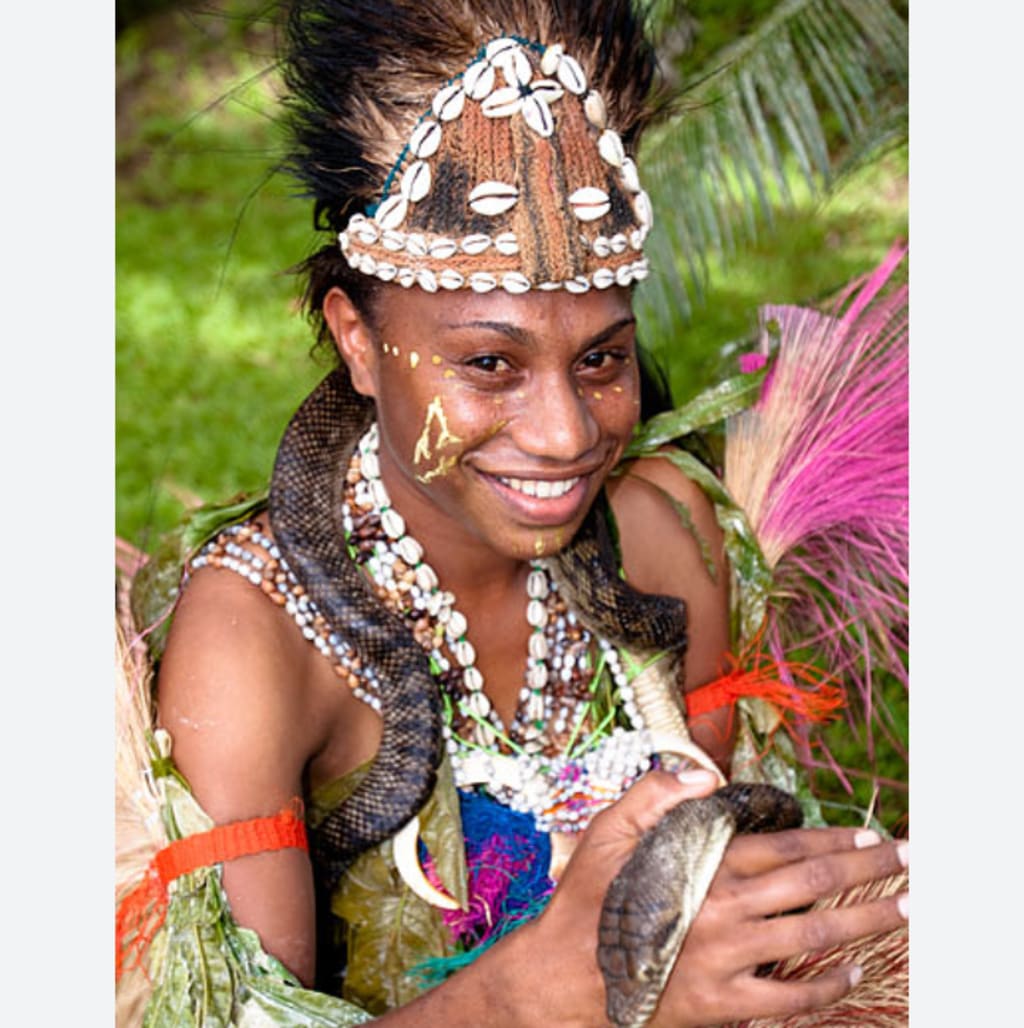
Nestled along Papua New Guinea’s northeastern coastline, Morobe Province is a vibrant region marked by an incredible diversity of cultures, languages, and traditions. This large and mountainous province boasts beautiful natural landscapes, from coastal shores to lush rainforests and highland villages. As the second-most populous province in the country, Morobe is home to over 700,000 people who represent a mix of distinct ethnic groups, each with its own unique customs and beliefs. Understanding Morobe’s culture provides insight into the way people of Papua New Guinea live, communicate, and celebrate their identities.
1. Cultural Diversity and Language
Papua New Guinea is renowned for its linguistic diversity, and Morobe Province reflects this vividly. The province is home to approximately 100 different languages, including native languages such as the Kâte, Buang, and Yabim, as well as Tok Pisin, which serves as a lingua franca in many areas. Each language group in Morobe has its own traditions, values, and artistic expressions that contribute to the region’s rich cultural fabric.
In Morobe, language is not just a means of communication but a repository of knowledge and traditions. Language keeps oral history alive, telling stories of ancestors, tribal origins, and relationships with the land. These oral traditions are a fundamental aspect of identity and play an important role in ceremonial practices, particularly in rural areas where traditional life is still prevalent.
2. Customs and Social Structure
In Morobe Province, people live according to customary laws and social norms that have been passed down through generations. Social structures are deeply rooted in kinship and clan relationships. Clans play a vital role in social organization and are usually led by elders, who are highly respected for their wisdom and ability to maintain harmony. Clans are often divided into smaller family groups, each with responsibilities and duties that support the larger clan structure.
A central part of Morobean society is the “wantok” system, a traditional network of support based on extended family and community ties. Wantok, meaning “one talk” or “one language,” signifies a bond between individuals who share a language or tribal heritage. This system establishes reciprocal obligations among clan members, where people support each other with resources, guidance, and protection. The wantok system has both social and economic significance, providing security, mutual aid, and a sense of belonging within the community.
3. Beliefs and Spirituality
Spiritual beliefs in Morobe Province are deeply intertwined with the natural environment. Many Morobeans practice a form of animism, believing that spirits inhabit natural elements such as rivers, mountains, trees, and animals. These spirits are often seen as guardians of the land, capable of providing blessings or causing misfortune depending on how people treat their surroundings. As such, respect for the land and its resources is considered a moral duty, and many customs revolve around keeping harmony with nature.
While many communities in Morobe have embraced Christianity, traditional beliefs continue to coexist alongside modern religious practices. In some areas, people incorporate elements of Christianity into their traditional spiritual beliefs, creating a unique blend of indigenous and Christian practices. For example, ancestral spirits may be called upon in times of need, and ceremonial dances or rituals are performed to communicate with these spirits. This cultural fusion reflects the adaptability of Morobe’s people, who have managed to honor their traditions while accepting new faiths.
4. Rituals, Art, and Ceremonies
Rituals and ceremonies in Morobe are vital for marking significant life events, from births and marriages to deaths and initiations. Ceremonial dances, music, and artwork play an important role in these occasions, as they serve to express identity, celebrate heritage, and convey social messages. The famous sing-sing gatherings are grand displays of Morobean culture, where people dress in elaborate costumes, paint their bodies, and dance to traditional music. Each dance often tells a story related to ancestral deeds, mythical events, or everyday life experiences, reinforcing social bonds and cultural pride.
Art in Morobe is both decorative and functional. Handicrafts such as woven baskets, clay pots, and wood carvings are created with skill and care, often incorporating designs that have cultural significance. Traditional costumes, headdresses, and face paintings are also notable aspects of Morobean art, symbolizing clan identity and connection to the spiritual world. The creativity and symbolism behind these art forms highlight the unique way Morobeans view their world.
5. Modern Influences and Cultural Preservation
As globalization and modernization reach Morobe, traditional lifestyles and customs face new challenges. Younger generations are increasingly exposed to Western education, media, and values, which can create a disconnect with traditional practices. However, there is also a strong movement toward cultural preservation, as people realize the importance of maintaining their heritage for future generations.
The local government and various organizations in Papua New Guinea have initiated programs to preserve the cultural heritage of Morobe and other provinces. Cultural festivals, language revitalization projects, and educational programs are all part of these efforts to keep traditional knowledge alive. In Lae, the capital of Morobe Province, annual events celebrate local culture, bringing communities together to share and enjoy traditional dances, music, and art.
Conclusion
Morobe Province is a captivating part of Papua New Guinea, where ancient customs, beliefs, and art continue to thrive despite the pressures of modernization. The people of Morobe have found a way to preserve their culture while adapting to changing times, creating a unique cultural landscape that is both diverse and resilient. For visitors and locals alike, the traditions of Morobe Province offer a glimpse into the profound connection between people, their community, and the natural world—a relationship that defines the spirit of Papua New Guinea.
About the Creator
Grace Guise
i love creating content, i love writing and passionate about change, the world, the earth, the people and many things about life that is just magnificent. i love being alive, i love to breath the air and natural taste of water.
Keep reading
More stories from Grace Guise and writers in 01 and other communities.
The East New Britain - Tolai Culture
--- Papua New Guinea’s Tolai People and Diverse Cultural Heritage Papua New Guinea (PNG) is home to an array of unique cultural groups, each with distinct languages, customs, and artistic traditions. Among these groups, the Tolai people are well-known inhabitants of East New Britain Province, particularly in the Gazelle Peninsula around Kokopo and Rabaul. With rich traditions in music, dance, and community rituals, the Tolai culture exemplifies the diversity and vibrancy of PNG’s heritage. Alongside the Tolai customs, other provinces in PNG also bring their own unique dances and customs to the cultural mosaic.
By Grace Guiseabout a year ago in 01
Saudi Arabia Outdoor LED Lighting Market Size and Forecast 2025–2033
Saudi Arabia Outdoor LED Lighting Market at a Glance The Saudi Arabia Outdoor LED Lighting Market is expected to reach US$ 957.4 million by 2033, rising from US$ 318.96 million in 2024, registering a strong CAGR of 12.99% during 2025–2033. This expansion is primarily driven by large-scale infrastructure development, mega smart-city projects such as NEOM, The Line, and Qiddiya, and the country’s accelerating transition toward energy-efficient and sustainable lighting systems. Supportive government regulations, declining LED prices, and growing public awareness about energy conservation are further strengthening market momentum.
By Renub Research3 days ago in 01
Sergey Brin Becomes World’s No. 3 Richest—Overtakes Jeff Bezos, Larry Ellison After Alphabet Hits $4 Trillion
Topline Sergey Brin leapfrogged Oracle’s Larry Ellison and Amazon’s Jeff Bezos on Tuesday to become the world’s third-richest person, ranking again behind fellow Google cofounder Larry Page as parent firm Alphabet stock rallied to its latest milestone.
By Dena Falken Esq5 days ago in 01


Comments
There are no comments for this story
Be the first to respond and start the conversation.