
Pangasius Catfish: Biology, Nutrition, Aquaculture, and Culinary Uses
often called pangas or Pangas catfish

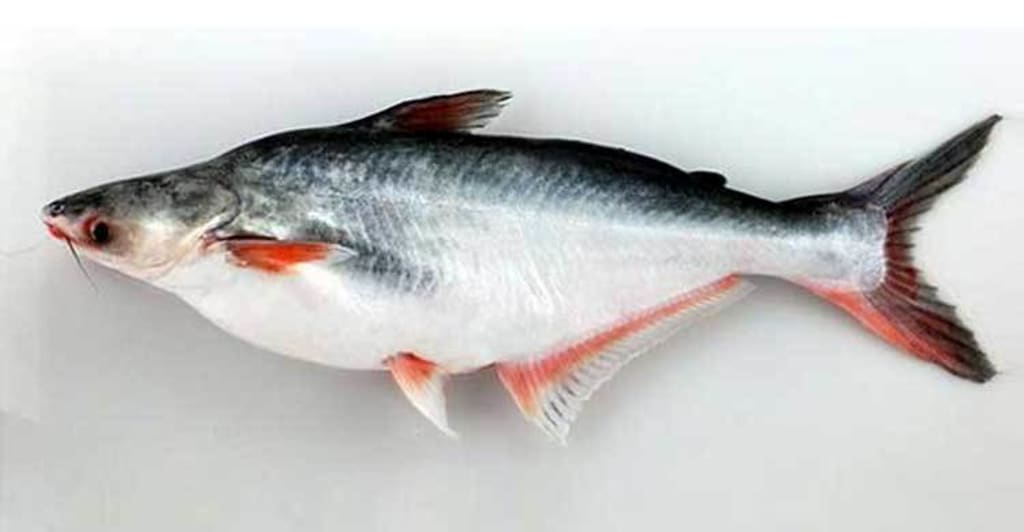
In summary, Pangasius (often called pangas or Pangas catfish) is a freshwater fish native to South and Southeast Asia that has become a major aquaculture species worldwide. Its rapid growth, mild-flavored white flesh, lean protein content, and adaptable cooking properties have made it enormously popular both locally and in export markets. Nutritionally, pangasius delivers a healthy balance of macronutrients—high‐quality protein, low fat, zero carbohydrates—and important micronutrients such as B vitamins, selenium, phosphorus, and potassium. Economically, its low feed‐conversion ratio and resilience in pond culture drive affordability and sustained livelihoods for fish farmers. At the same time, consumers should remain aware of farming conditions, potential chemical or antibiotic use, and ensure proper cooking to avoid microbial contamination. Overall, when sourced from reputable farms or suppliers and prepared safely, pangasius can play a valuable role in a balanced diet and an efficient food‐production system.
1. Taxonomy and Physical Description
Pangasius pangasius belongs to the family Pangasiidae, commonly referred to as shark catfishes. These fish feature the characteristic barbels (“whiskers”) of catfish, a smooth scaleless skin, and a laterally compressed bronze‐green dorsum fading to silvery white on the belly.
Scientific name: Pangasius pangasius
Common English names: Pangas catfish, Yellowtail catfish
Typical size: Most individuals reach 30–60 cm (12–24 in) in length by market size, though wild specimens may grow over a meter long.
Body: Slender, eel‐like profile; skin is smooth and slimy to the touch, equipped with a spine in the dorsal and pectoral fins.
2. Natural Habitat and Geographic Distribution
Originally native to large river systems and their floodplain lakes, pangasius naturally inhabit both fresh and slightly brackish waters where they feed on plankton, detritus, and smaller fish.
Native range: Major rivers and tributaries across Bangladesh, India (West Bengal, Assam), Myanmar, and Pakistan.
Habitats: Rivers, streams, oxbow lakes, floodplain wetlands, and tidal estuaries with moderate current.
Global farming: Modern aquaculture has spread to Vietnam, Thailand, Cambodia, and increasingly into China, India, and Bangladesh pond systems. Intensive farms in Vietnam now lead global pangasius production.
3. Nutritional Composition
Pangasius is prized for its lean, white flesh that delivers essential nutrients with minimal saturated fat. Below is an approximate profile per 100 g of raw, edible fish:
Macronutrients
Calories: 60–90 kcal
Protein: 12–15 g of complete, easily digestible protein
Fat: 1–3.5 g of predominantly unsaturated fatty acids
Carbohydrates: 0 g
Micronutrients
Vitamins: Notably vitamin B₁₂ (essential for nerve health and red blood cell formation) and small amounts of niacin (B₃), B₆, and riboflavin (B₂).
Minerals: A good source of phosphorus (for bone strength), selenium (an antioxidant cofactor), potassium (electrolyte balance), and modest calcium.
Omega-3: Lower levels compared to marine fatty fish; still contributes some beneficial polyunsaturated fats.
4. Aquaculture Practices and Economic Importance
Pangasius aquaculture thrives due to the species’ rapid growth rate, hardiness, and efficient feed conversion. Key points include:
Growth cycle: Most farms can raise pangasius from fingerling to market size within six to eight months.
Feed conversion ratio (FCR): A relatively low FCR (around 1.5:1 to 1.8:1), meaning each kilogram of feed yields more edible fish weight.
Production scale: Vietnam is the world’s largest producer and exporter, supplying markets across Europe, North America, and Asia. Bangladesh and India have growing domestic and regional markets.
Employment: Pond culture and processing create livelihoods for thousands of fish farmers, hatchery operators, and laborers in rural communities.
5. Culinary Uses
The neutral, mild‐tasting fillets of pangasius adapt well to diverse cooking methods and flavor profiles:
Preparation: Available as whole gutted fish, fillets, or frozen portions.
Cooking methods:
Frying: Lightly breaded or battered for crisp fillets and fish sticks.
Grilling or broiling: Marinated with herbs, citrus, or spices, then seared to flaky perfection.
Steaming: Preserves moisture and highlights the delicate texture, often paired with ginger‐scallion sauce.
Curries and stews: Absorbs rich sauces—from coconut curries to tomato‐based broths—in South and Southeast Asian cuisines.
Cultural dishes: Popular in Bengali fish curries (“machher jhol”), Vietnamese fish soups, Thai steamed fish preparations, and even fish tacos or sandwiches in Western fusion recipes.
6. Health and Safety Considerations
While pangasius offers nutritional benefits, some farming practices and handling issues warrant caution:
Chemical use: Intensive farms may use antibiotics, hormones, or pesticides to control disease; consumers should choose suppliers certified by reputable standards (e.g., ASC, GlobalGAP).
Contaminants: Poor water quality or feed can introduce heavy metals or bacterial pathogens (e.g., Vibrio spp.); thorough cooking to at least 63 °C (145 °F) internal temperature minimizes microbial risk.
Allergens: As a catfish, pangasius can trigger fish allergies; those with seafood sensitivities should avoid consumption.
Label transparency: Look for country of origin and farming method on packages; wild‐caught versus farm‐raised, and any eco-certifications.
7. Environmental and Sustainability Aspects
Sustainability of pangasius farming depends on responsible management:
Effluent control: Proper treatment of pond discharge reduces nutrient runoff and ecosystem impacts.
Feed sourcing: Using responsibly sourced feed ingredients (e.g., plant‐based proteins, responsibly harvested marine byproducts) lowers environmental footprint.
Certification schemes: Programs such as the Aquaculture Stewardship Council (ASC) promote social and environmental best practices in pangasius farms.
8. Conclusion
Pangasius catfish represents a highly productive and affordable source of animal protein that can support global food security, particularly in regions facing resource constraints. Its fast growth, neutral flavor, and lean nutritional profile make it versatile in home kitchens and commercial dishes alike. By choosing pangasius from transparent, certified sources and applying safe handling and cooking methods, consumers can enjoy its benefits while minimizing health and environmental risks. As aquaculture technology and sustainability standards continue to improve, pangasius is poised to remain a staple of seafood markets around the world.
About the Creator
Keep reading
More stories from Nurul Islam and writers in 01 and other communities.
Explain the interrelationship between the functions of the skin, kidneys, and lungs.
Summary Through regulation of temperature, fluid balance, the expulsion of metabolic wastes, and acid–base homeostasis, the integumentary (skin), renal (kidney), and respiratory (lung) systems work closely together to keep the internal stability of the body. The skin serves as a protective barrier, modulates heat loss via vasomotor changes and sweating, and contributes to minor excretory functions such as urea removal . The kidneys filter roughly 150 liters of blood daily, regulate electrolyte and fluid levels, and excrete acids to preserve pH balance in concert with pulmonary ventilation . The lungs ensure oxygen uptake and carbon dioxide elimination, rapidly adjusting respiratory rates to compensate for metabolic pH shifts . Together, these organs uphold homeostasis and protect against environmental and metabolic challenges.
By Nurul Islam9 months ago in 01
What I Learned About Pest Control After Living in Detroit
Living in Detroit for several years has taught me that pest problems are not just a seasonal inconvenience — they’re often a long-term reality. From mice seeking warmth during winter to insects becoming active in the summer, pests tend to find their way into homes regardless of how careful you are.
By Jamal Moore7 days ago in 01
Handbags, Fashion Identity, and the Broader Context of Gucci Bags
Handbags have remained essential accessories across centuries, adapting to changes in clothing, lifestyle, and social norms. What began as simple pouches for carrying coins or personal items gradually transformed into structured designs that reflect craftsmanship and cultural values. Today, handbags are both functional objects and visual expressions of identity, shaped by history as much as by fashion trends.
By charliesamuel6 days ago in 01




Comments (1)
Wonderful!!!