
Explain the interrelationship between the functions of the skin, kidneys, and lungs.
Functions of the Lungs

Summary
Through regulation of temperature, fluid balance, the expulsion of metabolic wastes, and acid–base homeostasis, the integumentary (skin), renal (kidney), and respiratory (lung) systems work closely together to keep the internal stability of the body. The skin serves as a protective barrier, modulates heat loss via vasomotor changes and sweating, and contributes to minor excretory functions such as urea removal . The kidneys filter roughly 150 liters of blood daily, regulate electrolyte and fluid levels, and excrete acids to preserve pH balance in concert with pulmonary ventilation . The lungs ensure oxygen uptake and carbon dioxide elimination, rapidly adjusting respiratory rates to compensate for metabolic pH shifts . Together, these organs uphold homeostasis and protect against environmental and metabolic challenges.
---
What the Skin Does Barrier and Security The skin is the body’s largest organ and primary defense against physical, chemical, and microbial threats . Its multi-layered structure—the epidermis, dermis, and hypodermis—prevents pathogen entry and water loss, preserving internal fluid balance .
Thermoregulation and Excretion
When the body temperature rises, blood vessels in the skin expand, directing warm blood toward the surface, where heat escapes into the environment. In contrast, vasoconstriction keeps heat in when the temperature drops. Perspiration, mostly water, electrolytes, and a small amount of urea, is secreted by sweat glands and evaporates to help the body cool down and eliminate metabolic waste. Transcutaneous evaporation is another method of insensible water loss that accounts for up to 400 milliliters of fluid loss each day. ---
Functions of the Kidneys
Excess and filtration Each kidney contains over a million nephrons that filter plasma at the glomerulus, removing urea, creatinine, and other nitrogenous wastes into the forming urine . Approximately 120–150 liters of fluid are filtered daily, with over 99% reabsorbed to maintain intravascular volume .
Balance of Fluid and Electrolytes The kidneys finely tune blood osmolarity by reabsorbing or excreting sodium, potassium, and chloride ions, as well as adjusting water reabsorption under antidiuretic hormone influence, thus stabilizing blood pressure and cellular function .
Homeostasis of Acid and Base The kidneys complement the faster respiratory compensation by slowly but steadily correcting blood pH imbalances through hydrogen ion secretion and bicarbonate reabsorption in renal tubules. During prolonged metabolic acidosis or alkalosis, renal adaptation is essential. ---
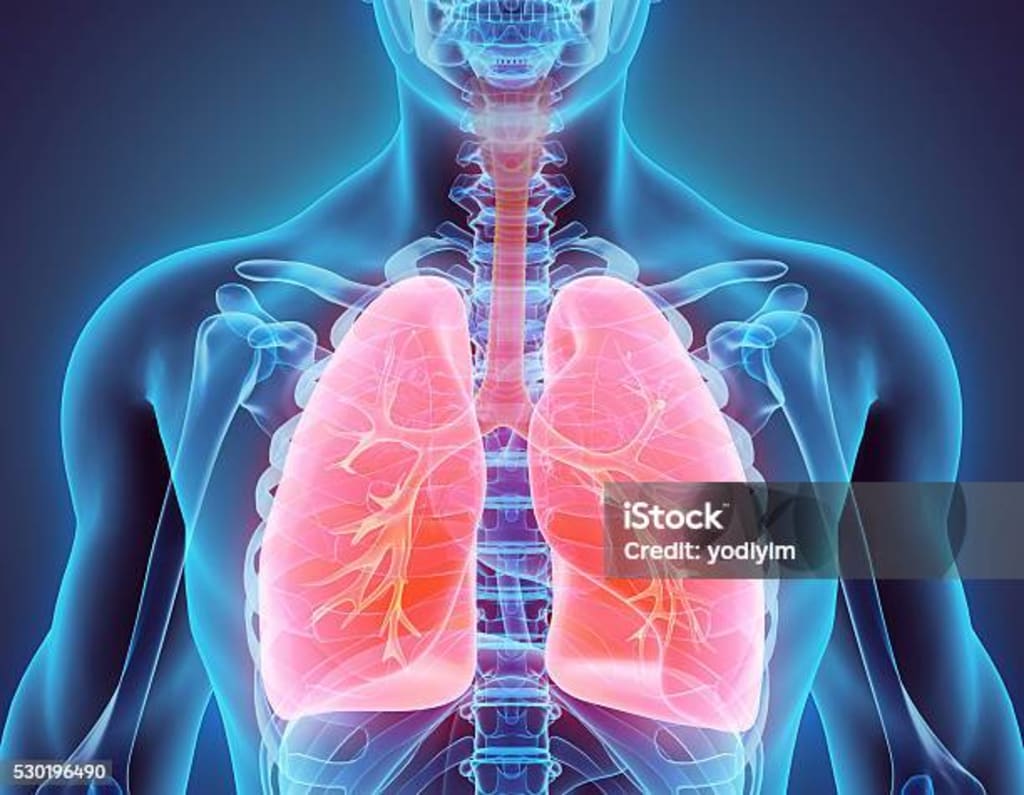
Functions of the Lungs
Transfer of Gas Type I pneumocyte-lined thin-walled sacs in the millions of alveoli allow carbon dioxide to move from blood to alveolar air and oxygen to diffuse into pulmonary capillaries. This exchange occurs across a barrier only one cell thick, optimizing rapid diffusion.
Regulation of Acid and Base By altering ventilation rates, the respiratory system swiftly compensates for blood pH deviations: hyperventilation expels more CO₂ to raise pH during acidosis, while hypoventilation retains CO₂ to lower pH during alkalosis . This mechanism provides immediate buffering ahead of renal adjustments.
---
Interrelationship Among Skin, Kidneys, and Lungs
Coordinated Temperature and Fluid Homeostasis
When core temperature climbs, skin vasodilation and sweating dissipate heat, reducing circulatory strain; kidneys then conserve water by concentrating urine to prevent hypovolemia . If dehydration occurs, respiratory insensible water loss may decrease via reduced ventilation depth.
Integrated Acid–Base Balance
The kidneys increase acid excretion and bicarbonate regeneration for long-term pH correction, and a rise in metabolic acids causes deeper, faster breathing to expel CO2, a volatile acid. The minimal acid loss the skin experiences as a result of sweat makes a negligible but synergistic contribution to the overall balance. Excretory Cooperation
While kidneys handle the bulk of solute elimination, the skin’s sweat glands offload minor amounts of urea and electrolytes, and the lungs expel gaseous wastes (CO₂), distributing the excretory workload and preserving renal function under stress .
---
Clinical Implications
Disruption in any of these systems can reverberate across the others. In chronic kidney disease, fluid overload or acidosis increases pulmonary edema risk, impairing gas exchange and heightening respiratory workload . Conversely, severe pulmonary disorders can induce hypoxemia that damages renal tissue via inflammatory mediators and oxidative stress . Dermatological conditions impairing sweating or barrier function may lead to hyperthermia or fluid imbalances, compounding renal and respiratory strain .
---
Conclusion
In order to maintain thermal equilibrium, fluid-electrolyte balance, waste removal, and acid–base stability, the skin, kidneys, and lungs function as a triad of homeostatic regulators—each distinct but interdependent. Appreciating their synergistic roles elucidates how multi-organ support preserves health and informs integrated therapeutic approaches when one system falters.
About the Creator
Keep reading
More stories from Nurul Islam and writers in 01 and other communities.
What Is the Secret to a Happy Married Life?
What Is the Secret to a Happy Married Life? Marriage is more than just a ceremony or a legal agreement — it is a lifelong journey between two people who choose to share their dreams, burdens, laughter, and tears. A happy marriage takes time to develop. Love, patience, and understanding are used to care for it every day. So, what exactly is the real key to a happy marriage? Is it love? Is it respect? Is it communication? The truth is, it’s a beautiful combination of many things. Let's explore some of the most powerful elements that form the foundation of a truly happy marriage.
By Nurul Islam11 months ago in 01
5 Best Mobile App Development Companies in Pittsburgh (2026)
Pittsburgh has quietly become one of the most compelling technology cities in the United States. What was once known for steel mills and bridges is now home to a thriving ecosystem of software engineers, AI researchers, and product builders. Carnegie Mellon University alone pumps world-class computer science and machine learning graduates into the local workforce every single year, and a growing number of them are choosing to stay and build here rather than relocating to the coasts.
By Samantha Blake2 days ago in 01
The Rise of Labubu and Contemporary Collectible Toys
In recent years, the global toy landscape has shifted in noticeable ways. Toys are no longer designed only for children’s play; many are now created with adult collectors in mind. This evolution has brought renewed attention to designer characters, limited releases, and packaging styles that emphasize experience as much as the object itself. Within this context, the Labubu Doll has emerged as part of a broader conversation about modern collecting and the changing meaning of toys.
By charliesamuelabout 12 hours ago in 01




Comments (1)
Great writing ♦️♦️♦️please subscribe to me I added you ♦️♦️♦️♦️