
Optimizing Load Handling: The Role of Chain Pulleys in Modern Crane Design
Enhancing Mechanical Advantage in Crane Operations

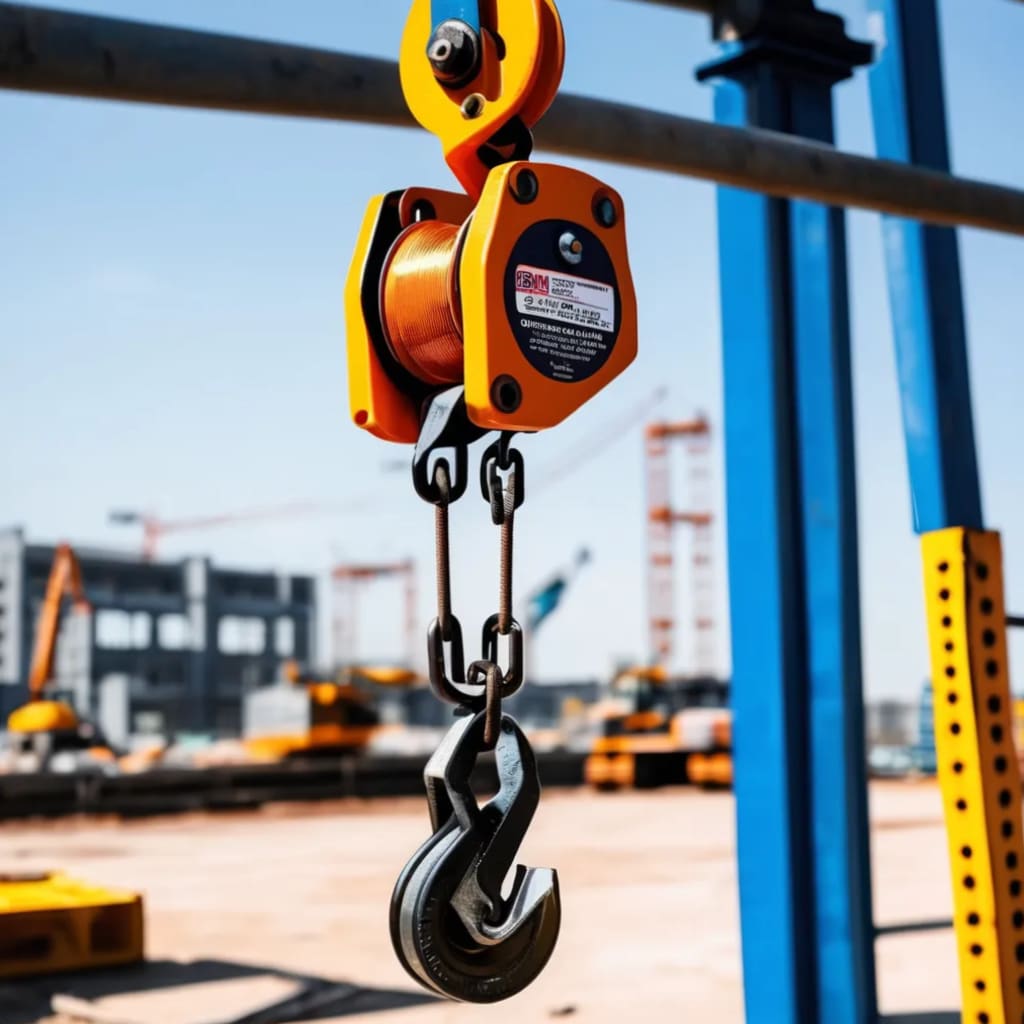
In the world of heavy lifting, cranes are the undisputed giants—commanding skylines, dominating construction sites, and moving materials that would otherwise be impossible to handle. But inside these steel titans, there’s often an unsung hero doing the heavy work behind the scenes: the chain pulley.
Whether it's a compact jib crane in a factory or an overhead gantry system in a warehouse, chain pulleys are a vital component in many crane configurations.
What Is a Chain Pulley?
A chain pulley—also known as a chain block or chain hoist—is a mechanical device used to lift, lower, or pull loads using a chain and gear mechanism. It works on the principle of mechanical advantage, allowing users to lift heavy objects with less effort.
The core components include:
• Load Chain: Connects to the load and moves vertically.
• Hand Chain: Pulled by the operator (or motorized in electric models).
• Gearing System: Multiplies the input force.
• Hook or Lifting Eye: Connects to the crane or lifting structure.
Chain pulleys come in manual and electric variants and are used in industries ranging from automotive and construction to warehousing and marine.
The Role of Chain Pulleys in Crane Operations
While large-scale tower cranes or mobile cranes typically use wire rope systems, many other crane types—especially for small to medium lifting tasks—utilize chain pulley blocks as their primary lifting mechanism.
Common Crane Types That Use Chain Pulleys:
1. Jib Cranes (Wall-mounted or Pillar-mounted)
2. Gantry Cranes (Mobile and Portable)
3. Overhead Cranes (Bridge cranes in warehouses)
4. Workstation Cranes
5. Portable Cranes used in workshops and maintenance areas
How Does a Chain Pulley Work Within a Crane?
In a crane setup, the chain pulley typically hangs from the trolley or boom of the crane. The lifting chain is connected to the load, and when the hand chain is pulled (or the motor is activated), the internal gears rotate, pulling the load chain and lifting the object.
This allows for:
• Vertical lifting of loads
• Precise control over lift height
• Manual or powered operation
• Safe, controlled movement of materials
Especially in environments where space is tight or power access is limited, chain pulley systems in cranes provide an elegant, efficient solution.
Benefits of Using Chain Pulleys in Cranes
1. Cost Efficiency
Chain pulley blocks are significantly cheaper than wire rope hoists or hydraulic systems. They are ideal for small operations, repair shops, and businesses on a budget.
2. Precision Lifting
Thanks to the gear mechanism, chain pulleys offer smooth and accurate lifting, which is essential in delicate assembly tasks or when aligning heavy components.
3. Compact & Space-Saving
Manual and electric chain hoists are compact in design, making them perfect for tight workspaces or cranes operating indoors.
4. Low Maintenance
Fewer moving parts mean less frequent breakdowns. Chain pulley systems are easy to inspect, maintain, and repair compared to complex hydraulic setups.
5. Versatile Applications
From hoisting engines to lifting molds, chain pulley-equipped cranes can handle a wide variety of materials and shapes.
Manual vs. Electric Chain Pulleys in Cranes
Choosing between a manual and an electric chain pulley depends on your workload and work environment.
Type Best For Power Source Lifting Capacity Cost
Manual Chain Pulley Occasional lifting, remote areas Human effort Light to Medium Low
Electric Chain Pulley Frequent or repetitive lifting Electricity Medium to Heavy Moderate to High
In crane systems, electric chain hoists are often favored for high-volume tasks, while manual chain blocks shine in maintenance, backup, or portable crane setups.
Applications of Chain Pulley Cranes
1. Manufacturing Plants
A wall-mounted jib crane with a chain pulley hoist is ideal for lifting machine parts, dies, and equipment in small-scale manufacturing.
2. Construction Warehouses
Portable gantry cranes with chain pulley blocks can help move heavy bags of cement, steel bars, or prefabricated panels in temporary setups.
3. Automotive Workshops
Mechanics often use chain pulleys with engine hoists or small gantry cranes to lift vehicle engines safely and efficiently.
4. Shipbuilding Yards
Marine-grade electric chain hoists on overhead cranes help lift and position propellers, engines, and other bulky components.
5. Assembly Lines
Cranes fitted with chain pulleys offer repeatable, safe lifting in assembly processes, such as fitting gearboxes into machines.
Limitations of Chain Pulley Use in Cranes
While chain pulleys are incredibly useful, they do have limitations:
• Slower Lifting Speeds compared to wire rope hoists
• Limited Lift Height depending on the chain length
• Not Ideal for Very Heavy Loads over 10+ tons
• Manual Operation Can Be Fatiguing for frequent use
If your operation involves extreme lifting heights or very heavy loads, consider a wire rope hoist or hydraulic system instead. But for everything else—chain pulley blocks often offer the perfect balance.
Safety Tips for Using Chain Pulleys in Cranes
Safety is paramount in lifting. Here are best practices when using chain pulley systems in crane applications:
1. Inspect Before Each Use – Look for wear, deformation, or broken chains.
2. Check Load Capacity – Never exceed the rated WLL (Working Load Limit).
3. Use Proper Mounting – Ensure the chain pulley is securely attached to the crane’s hook or beam.
4. Wear PPE – Gloves, helmets, and steel-toe boots are essential.
5. Train Operators – Make sure only certified or trained personnel handle crane-lifting operations.
Choosing the Right Chain Pulley for Your Crane
When selecting a chain pulley block for your crane, consider the following:
• Load Capacity: Match the heaviest load you’ll lift
• Lift Height: Make sure the chain length suits your crane’s reach
• Frequency of Use: Go electric for frequent tasks
• Environmental Conditions: Opt for stainless steel or galvanized units for outdoor or marine use
• Compliance: Ensure the product meets safety standards (IS 3832, EN 13157, ASME B30.16)
While they may not be the flashiest component on a crane, chain pulley systems are the quiet powerhouses behind many lifting operations. From construction to manufacturing, chain pulleys enable cranes to do what they do best: lift safely, precisely, and efficiently.
About the Creator
Jyoti Kashuka
"Discover the Comprehensive Range of Material Handling Solutions by Indolift"
Keep reading
More stories from Jyoti Kashuka and writers in 01 and other communities.
Why Steel Wire Rope is a Crucial Component in Heavy-Duty Operations
Steel wire rope is an essential material in heavy-duty operations, playing a pivotal role in industries such as construction, mining, maritime, transportation, and manufacturing. Its superior strength, flexibility, and durability make it an indispensable component in lifting, rigging, towing, and securing loads. This article explores why steel wire rope is a crucial component in heavy-duty operations, its key benefits, and the industries that rely on it for safe and efficient performance.
By Jyoti Kashuka10 months ago in 01
Computer Vision Solutions for Real-Time Enterprise Video Analytics
Enterprises today generate enormous volumes of video data across factories, offices, logistics hubs, retail locations, and public-facing environments. Most of this data is recorded and stored, but rarely analyzed in a way that informs real-time decisions. This gap between capture and insight is where modern computer vision solutions deliver measurable operational value.
By Fenil kasundra4 days ago in 01
Trouble at the Tea Leafing Café
The rain had started right around the time that Annie was buttering her second thick slice of homemade toast for breakfast, and hadn’t paused since. Not that anyone could tell. The windows of the café were fogged over, and with every seat filled with happy customers munching on fresh baked pastries or steaming bowls of the delicious soup of the day, it was hardly surprising. Annie looked around the room, finally taking a moment to breathe after the lunch time rush. Her old life already felt like a bad memory, a part of her history, always, but just that. History.
By Hannah Moore6 days ago in Fiction


Comments
There are no comments for this story
Be the first to respond and start the conversation.