
Optimizing Asphalt Paving Budgets for Medium-Sized Projects
When planning asphalt paving budgets for medium-sized projects, how to optimize the allocation of road rollers and asphalt distributors to reduce energy consumption and labor costs without compromising quality?


When planning asphalt paving budgets for medium-sized projects, optimizing the allocation of road rollers and asphalt distributors is crucial. Proper equipment selection and operational efficiency can significantly reduce energy consumption and labor costs without compromising the quality of the work. This article outlines practical strategies to achieve these goals.

Equipment Type Selection
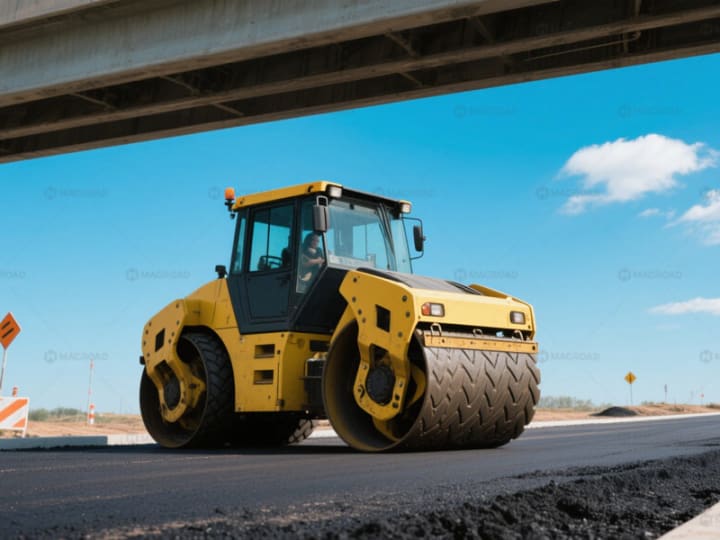
The first step in optimizing budgets involves the careful selection of equipment types, specifically road rollers and asphalt distributors. Different projects require varying capacities and functionalities from these machines. For instance, smaller road rollers may be ideal for tight spaces and residential areas, while larger models are suited for extensive surfaces that demand more compaction power.
When selecting asphalt distributors, it's essential to evaluate their spraying capabilities. Modern distributors often come equipped with advanced technology that enables precise control over asphalt application, leading to reduced waste. Investing in equipment tailored to the specific needs of the project helps ensure efficient operations and minimizes unnecessary expenditures. Additionally, considering the availability of multi-functional machines can allow for versatile applications, further optimizing the use of project budgets.

Enhancing Operation Efficiency
Once the appropriate equipment is selected, focusing on operation efficiency becomes essential. Effective planning of machine usage during the paving process can streamline workflows. Scheduling the use of road rollers and asphalt distributors in a coordinated manner ensures that projects progress smoothly without delays.
Training operators to maximize the capabilities of the equipment can also lead to improved efficiency. Skilled operators can adjust machine settings for optimal performance, resulting in better compaction and more even asphalt application. This dual approach of scheduling and training supports the reduction of energy consumption, as machines operate within their most efficient parameters. Encouraging regular team meetings to discuss workflow processes can stimulate ideas for improvement, further enhancing overall operational efficiency.
Reducing Energy Consumption
Energy efficiency is a key concern for medium-sized paving projects. Road rollers and asphalt distributors can be significant consumers of fuel and energy, but steps can be taken to minimize this impact. Choosing equipment with energy-efficient technologies can significantly reduce fuel consumption.
Regular maintenance of machinery also plays a vital role in energy efficiency. Ensuring that all parts of road rollers and asphalt distributors are in good working condition prevents energy wastage and ensures that machinery operates optimally. Implementing a scheduled maintenance routine can prolong equipment lifespan, reducing the need for costly repairs and replacements. Moreover, monitoring fuel usage through real-time data tracking systems provides insights that can fuel energy-saving practices.
Managing Labor Costs
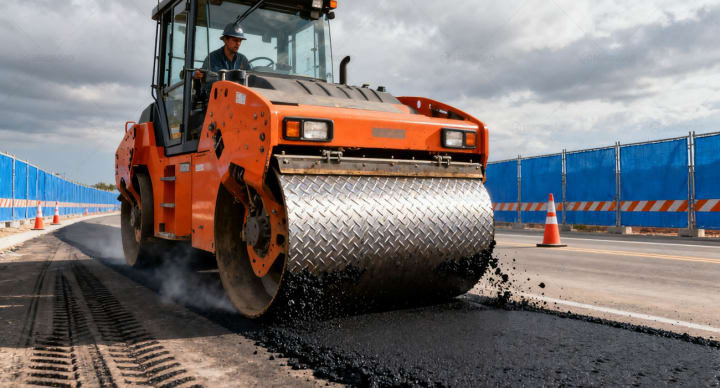
Labor costs can quickly escalate if not managed properly. By optimizing the use of road rollers and asphalt distributors, construction teams can minimize the number of workers needed on-site. Efficient machine operation and well-timed scheduling mean fewer labor hours required, which translates into cost savings.
Consideration should also be given to utilizing technology to enhance productivity. For example, software that optimizes equipment allocation and schedules can provide insights into labor needs, enabling better staffing decisions. This strategic approach to workforce management contributes to overall project efficiency and cost-effectiveness. Investing in employee training not only fosters higher skill levels but also boosts morale, leading to improved performance on the job site.

Conclusion
In conclusion, when planning asphalt paving budgets for medium-sized projects, a strategic focus on optimizing the allocation of road rollers and asphalt distributors is essential. Selecting the right equipment, enhancing operational efficiency, reducing energy consumption, and effectively managing labor costs all contribute to achieving cost-effective paving without sacrificing quality. By implementing these practices, construction enterprises can not only stay within budget but also enhance the overall success of their paving projects. Ultimately, a well-managed paving operation leads to satisfied clients and repeat business, thereby securing the long-term sustainability of the construction enterprise. Through careful planning and optimization, companies can achieve outstanding results while maintaining financial health.
About the Creator
Macroad Asphalt Plant
Macroad, a global leading manufacturer in asphalt mixing plants, offers a wide range of specifications to meet diverse project needs. Its high-quality, efficient equipment is widely applied in road construction.
Keep reading
More stories from Macroad Asphalt Plant and writers in 01 and other communities.
Adapting Portable Asphalt Mixers for UAE's High-Temperature Climate
Asphalt plants in the UAE face unique challenges due to the local high-temperature and dry climate, where summer temperatures often exceed 40℃. Portable asphalt mixers, known for their compact size and quick heat dissipation, can encounter issues such as abnormal asphalt viscosity and overheating of equipment components in these extreme conditions. When undertaking rural road repair projects in the UAE, it is essential to modify the heat dissipation and temperature control systems of portable asphalt mixers while also adjusting mixing parameters to maintain operational efficiency and mixture quality.
By Macroad Asphalt Plant4 months ago in 01
Review of 'Man on the Run'
My wife and I saw Man on the Run, a nearly 2-hour documentary on Amazon Prime, about Wings, Paul McCartney's group that flew around the world from shortly after The Beatles broke up in early 1970 to shortly after John Lennon was murdered at the end of 1980, making a Beatles reunion forever impossible.
By Paul Levinson4 days ago in Beat


Comments
There are no comments for this story
Be the first to respond and start the conversation.