
Adapting Portable Asphalt Mixers for UAE's High-Temperature Climate
How to modify the heat dissipation and temperature control systems of portable asphalt mixers to avoid equipment failures or substandard mixture quality caused by high-temperature climate?

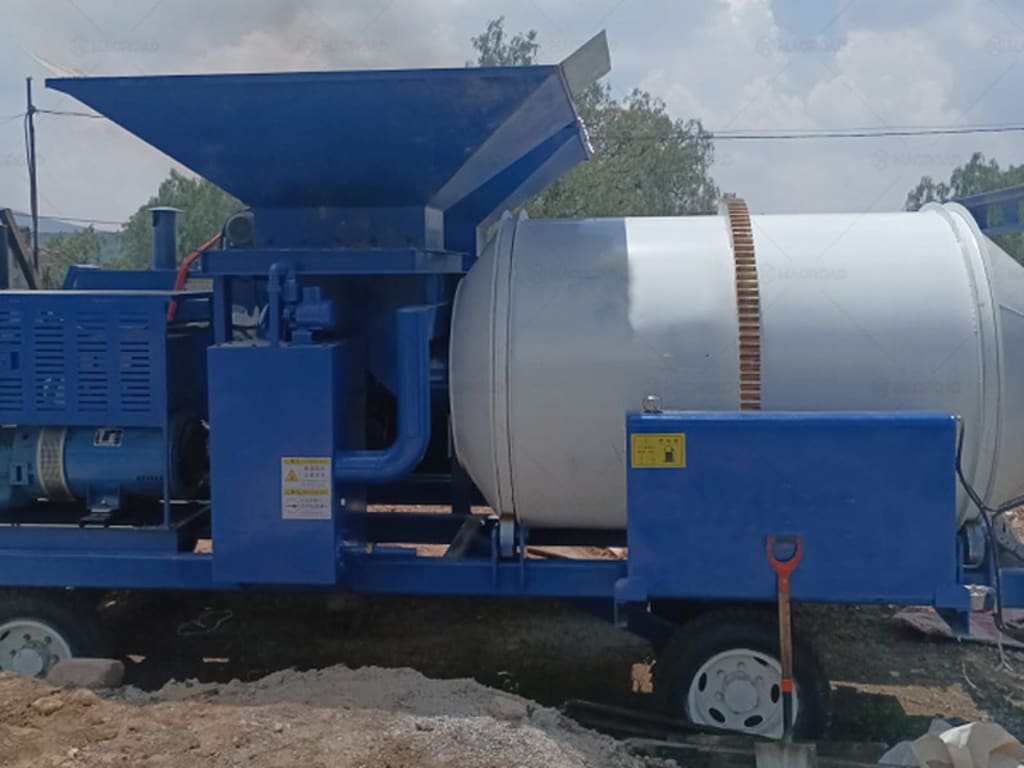
Asphalt plants in the UAE face unique challenges due to the local high-temperature and dry climate, where summer temperatures often exceed 40℃. Portable asphalt mixers, known for their compact size and quick heat dissipation, can encounter issues such as abnormal asphalt viscosity and overheating of equipment components in these extreme conditions. When undertaking rural road repair projects in the UAE, it is essential to modify the heat dissipation and temperature control systems of portable asphalt mixers while also adjusting mixing parameters to maintain operational efficiency and mixture quality.

Enhancing Heat Dissipation and Temperature Control
To address the challenges posed by high temperatures, modifications to the heat dissipation and temperature control systems of portable asphalt mixers are crucial. One effective strategy is to add sunshade and heat insulation layers to asphalt storage tanks. This addition helps protect the asphalt from direct sunlight, which can significantly raise its temperature and alter its viscosity.
Furthermore, installing cooling fans for motors can help maintain optimal operating temperatures for critical components. These fans facilitate airflow around the equipment, reducing the risk of overheating. By ensuring that the machinery remains cool, operators can prevent equipment failures that could disrupt project timelines and increase maintenance costs. Additionally, implementing a temperature monitoring system can provide real-time data, allowing operators to make timely adjustments and prevent overheating.
Adjusting Mixing Parameters for Optimal Performance
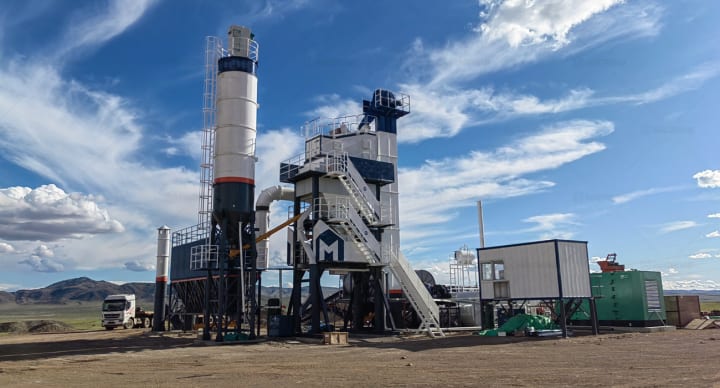
In conjunction with enhancing the temperature control systems, adjusting the mixing parameters is vital for producing high-quality asphalt in the UAE's climate. Reducing the asphalt heating temperature can help mitigate the risk of overheating and maintain the material's desired viscosity. This adjustment allows for more consistent mixing and better overall performance.
Additionally, shortening the mixing time can also be beneficial. High temperatures can accelerate the aging of asphalt, potentially leading to diminished quality. By reducing the time that asphalt is subjected to heat, operators can help preserve its properties and ensure a superior final product. This approach is particularly important for maintaining the integrity of the mixture in extreme conditions. Operators should also consider adjusting the asphalt's composition, such as incorporating additives that enhance performance in high heat.

Monitoring and Maintenance Practices
To further enhance the performance of portable asphalt mixer in high-temperature environments, regular monitoring and maintenance practices should be established. Routine checks of temperature control systems and component integrity will help identify potential issues before they escalate.
Operators should also maintain a close eye on the viscosity of the asphalt mixture throughout the production process. Implementing quality control measures to assess the consistency and performance of the asphalt can ensure that it meets the necessary standards for road construction. This proactive approach helps avoid substandard mixture quality and ensures that the final product is suitable for the intended application. Moreover, keeping detailed records of maintenance and production parameters can help in future projects, allowing for continuous improvement.
Conclusion
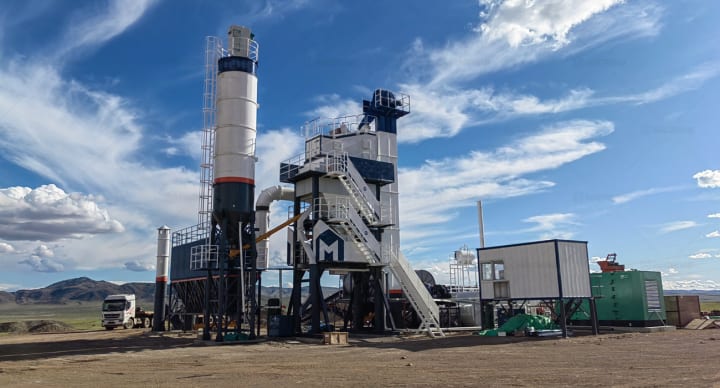
In conclusion, adapting asphalt plant in UAE for the high-temperature climate is essential for successful rural road repair projects. By enhancing heat dissipation and temperature control systems, and adjusting mixing parameters, operators can effectively combat the challenges posed by extreme heat. These modifications not only prevent equipment failures but also ensure that the quality of the asphalt mixture remains high. Through diligent monitoring and maintenance practices, project teams can achieve optimal results, ultimately leading to durable and reliable road surfaces that withstand the harsh environmental conditions of the region. Investing in these adaptations not only ensures compliance with project specifications but also contributes to the longevity and sustainability of road infrastructure in the UAE.
Investing in training for operators on these new technologies and best practices will ensure that teams are well-equipped to adapt to evolving challenges. By embracing innovation and staying ahead of industry trends, project teams not only enhance the quality of their work but also contribute to more sustainable and resilient infrastructure in the face of the UAE's extreme climate. This forward-thinking approach will ultimately lead to safer and more durable roads, benefiting both the economy and the community.
About the Creator
Macroad Asphalt Plant
Macroad, a global leading manufacturer in asphalt mixing plants, offers a wide range of specifications to meet diverse project needs. Its high-quality, efficient equipment is widely applied in road construction.
Keep reading
More stories from Macroad Asphalt Plant and writers in 01 and other communities.
Formulating Climate-Specific Protection Plans for Mini Asphalt Mixing Plants
In South Africa, the climate varies dramatically from region to region. Areas like the western desert have an arid and windy-sandy climate, while the eastern coastal regions experience rainy and humid conditions. These differing climates create unique challenges for mini asphalt mixing plants, necessitating targeted protection strategies. Effective operation among asphalt plants in South Africa requires a thorough understanding of these climatic influences to formulate differentiated protection plans that reduce equipment failures and ensure consistent mixture quality.
By Macroad Asphalt Plant5 months ago in 01
Understanding Crossdressing Culture and Modern Crossdresser Shops in Australia
Crossdressing refers to the act of wearing clothing traditionally associated with another gender. Throughout history, people have practiced crossdressing for cultural, theatrical, personal, or social reasons. Historical records show that crossdressing has appeared in many civilizations, including ancient societies where clothing and gender roles were more fluid than often assumed.
By James Mburu2 days ago in 01
Multi Directional Forklift: The Future of Flexible Warehouse Handling
Modern warehouses and logistics centers rely heavily on efficient material‑handling equipment. Among the many machines used in warehouses, the Multi Directional Forklift stands out as one of the most versatile solutions for handling complex loads in tight spaces. As storage facilities become more compact and demand faster operations, businesses are increasingly adopting advanced forklifts that maximize space, safety, and productivity.
By charliesamuela day ago in 01
The Politics of Playing Dress-Up
Well, to start off I'd like to say a happy world book day to all who celebrate. I know I haven't really posted anything on my socials about it but I'm not a jubilant kind of person. I lay low most of the time. Let's start off with a popular anecdote from the vaults...
By Annie Kapur2 days ago in Geeks



Comments
There are no comments for this story
Be the first to respond and start the conversation.