
NFT Marketplaces: Revolutionizing the Gaming Industry and Virtual Economies
Unleashing the Power of NFTs in Gaming and Virtual Economies
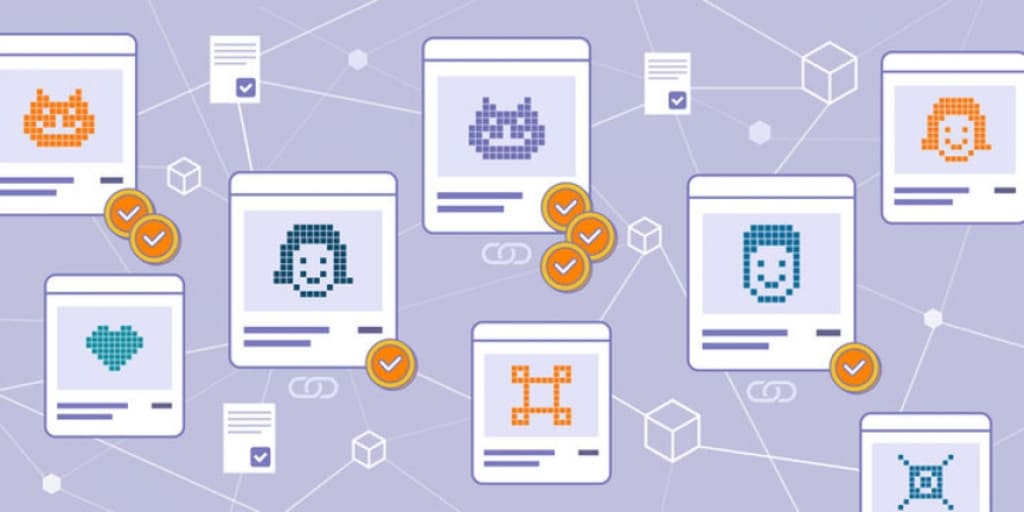
In recent years, Non-Fungible Tokens (NFTs) have taken the world by storm, transforming various industries and capturing the attention of investors, artists, and collectors alike. NFTs are unique digital assets that are stored on a blockchain, providing proof of ownership and authenticity. One of the most promising applications of NFTs is in the gaming industry and virtual economies. In this article, we will explore how NFT marketplaces are revolutionizing these sectors and the opportunities they present for investors.
What are NFTs?
Before delving into the impact of NFT marketplaces on the gaming industry and virtual economies, let's briefly understand what NFTs are. Unlike cryptocurrencies such as Bitcoin or Ethereum, which are fungible and interchangeable, NFTs are indivisible and unique. Each NFT has its own distinct value and characteristics. These digital assets can represent anything from digital art, collectibles, virtual real estate, in-game items, and more.
The Gaming Industry and NFTs
The gaming industry has always been at the forefront of technological advancements, constantly pushing boundaries to provide immersive and engaging experiences to players. With the emergence of NFTs, the gaming landscape has witnessed a paradigm shift. NFTs enable players to truly own their in-game assets, giving them the ability to buy, sell, and trade these virtual items freely.
Empowering Players
Traditionally, players would spend hours grinding and accumulating virtual items within a game. However, these items were often confined to the game's ecosystem and had limited real-world value. NFTs change this dynamic by allowing players to truly own their virtual assets. This ownership brings several advantages:
Investment Opportunities: Players can now invest in rare and valuable in-game items that have the potential to appreciate in value over time. By strategically acquiring and trading NFTs, players can not only enhance their gaming experience but also generate profits.
Cross-Game Interoperability: NFTs are not limited to a single game. They can be utilized across multiple gaming platforms, enabling players to take their virtual assets from one game to another. This interoperability fosters a vibrant and interconnected gaming ecosystem.
Creator Economy: NFTs empower game developers and content creators to monetize their creations directly. Through NFT marketplaces, developers can sell unique in-game items, artwork, and other digital assets, providing them with a direct revenue stream.
Virtual Economies and NFTs
Virtual economies have emerged within many online games, where players trade virtual goods and currencies. NFTs introduce a new dimension to these economies by adding scarcity and true ownership. This has led to the rise of player-driven economies, where virtual assets hold significant value and can be traded for real-world currency.
Tokenizing Virtual Assets
By tokenizing virtual assets as NFTs, players can easily buy, sell, and trade these items on various marketplaces. This opens up opportunities for players to monetize their virtual endeavors and creates a thriving secondary market. Additionally, players can leverage their in-game achievements and assets to earn income, turning their gaming passion into a source of revenue.
Decentralized Virtual Worlds
NFTs are also driving the development of decentralized virtual worlds. These virtual worlds, built on blockchain technology, enable users to own virtual land, construct buildings, and establish businesses. These digital realms provide opportunities for social interactions, commerce, and unique experiences.
NFT Marketplaces: Opportunities for Investors
As NFTs continue to gain traction, investing in NFT marketplaces has become an attractive proposition for many. NFT marketplaces serve as platforms where buyers and sellers can trade NFTs securely and transparently. These marketplaces not only provide a seamless user experience but also offer a range of investment opportunities.
Diversification and Portfolio Growth
Investing in NFT marketplaces allows investors to diversify their portfolios beyond traditional assets. NFTs have the potential for substantial returns, especially for rare and highly sought-after digital assets. By carefully selecting and investing in promising NFTs, investors can unlock significant growth opportunities and enhance their overall investment strategy.
Supporting Emerging Artists
NFT marketplaces provide a platform for emerging artists to showcase their talent and gain recognition. Investors who believe in the potential of these artists can support them by purchasing their NFT artworks. As the artists' reputation and demand grow, the value of these NFTs may appreciate, providing a win-win situation for both the artists and investors.
Early Adoption Advantage
Investing in NFT marketplaces at an early stage can provide a first-mover advantage. As the popularity of NFTs continues to rise, early adopters can benefit from acquiring valuable assets at lower prices. This advantage becomes particularly significant if the NFTs gain widespread attention and their value skyrockets over time.
Conclusion
NFT marketplaces have opened up new possibilities for the gaming industry and virtual economies. Players now have the opportunity to truly own their in-game assets and monetize their virtual endeavors. Moreover, investors can diversify their portfolios and tap into the potential of NFTs. As the NFT ecosystem continues to evolve, it is crucial to stay informed about the latest trends and developments in this exciting space.
About the Creator
James Anders
https://www.jump.trade/
Keep reading
More stories from James Anders and writers in 01 and other communities.
The Rise of Sports NFT Marketplace: Exploring the Future of Digital Collectibles
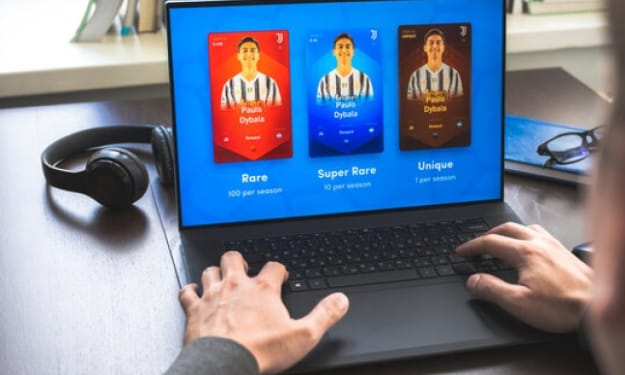
Sports NFT Marketplaces have emerged as a game-changer in the world of digital collectibles, offering a revolutionary way for sports enthusiasts to own and trade unique virtual assets. This article delves into the rise of Sports NFT Marketplaces and explores the exciting future that lies ahead for digital collectibles in the realm of sports.
By James Anders3 years ago in 01
How Far Can RS232 Run and How to Extend It Safely?
If you’ve ever tried to connect RS-232 devices over a long distance and encountered data errors, intermittent communication, or unexplained signal noise, you’re not alone. One of the most frequently asked questions in industrial communication is: “What is the maximum distance RS-232 can reliably support?”
By ethernet-network5 days ago in 01
A Dart at Dusk
Seconds ago, the sullen sun set on the two of us… my exuberant furry companion and me. A fresh breeze embraces us, delivering welcome relief from the day’s oppressive heat. His typical stumbling and staggering along — apace with a sloth — has turned into trip-trapping, high-stepping, almost skipping along.
By Angie the Archivist 📚🪶7 days ago in Petlife


Comments
There are no comments for this story
Be the first to respond and start the conversation.