
NFTs in Gaming: The Future of Collectibles and In-Game Assets
The Game-Changing Impact of NFTs on In-Game Assets
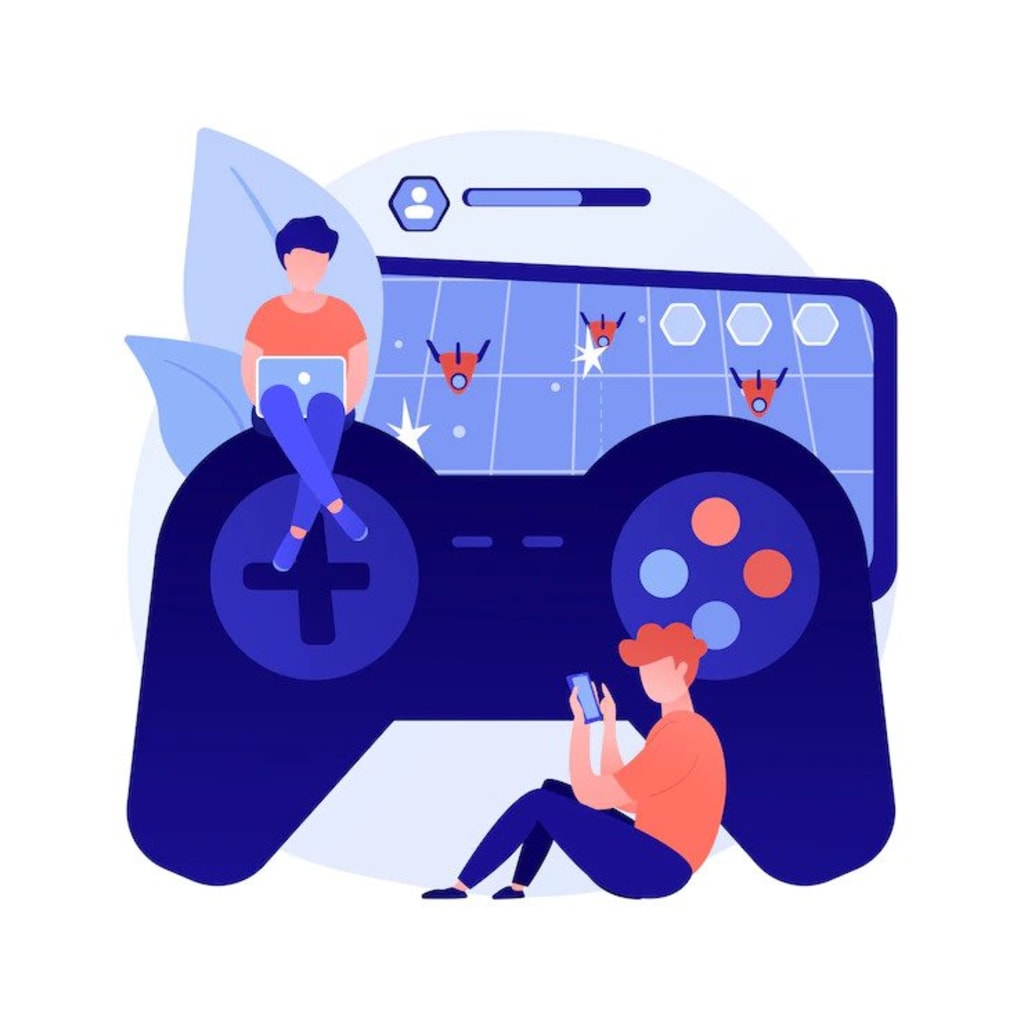
The intersection of gaming and blockchain technology has given rise to an exciting new trend: Non-Fungible Tokens (NFTs). NFTs have revolutionized the way gamers collect and trade in-game assets, introducing unprecedented opportunities for ownership, creativity, and value. In this article, we will explore how NFTs are shaping the future of collectibles and in-game assets, and delve into the immense potential they offer for gamers, developers, and the gaming industry as a whole.
Understanding NFTs
Before we dive into the impact of NFTs on gaming, let's briefly understand what they are. NFTs are unique digital assets that are stored on a blockchain, typically using the Ethereum network. Unlike cryptocurrencies such as Bitcoin or Ethereum, which are fungible and can be exchanged on a one-to-one basis, NFTs are indivisible and cannot be exchanged on a like-for-like basis. Each NFT holds distinct characteristics, making it one-of-a-kind and irreplaceable.
The Birth of Digital Collectibles
NFTs have breathed new life into the concept of collectibles in the gaming world. Traditionally, gamers would acquire virtual items or rare loot within a game, but these items were confined to the game's ecosystem and lacked true ownership. With NFTs, gamers can now own unique, verifiable digital assets that are not only transferable but can also be bought and sold on various platforms.
Empowering Players with Ownership
One of the most significant advantages of NFTs in gaming is the concept of ownership. Previously, players would invest countless hours and effort into acquiring in-game assets, only to find their value diminished when a new version of the game was released or the server shut down. NFTs address this issue by providing players with true ownership of their digital assets. Players can now collect rare items, virtual land, or even entire characters and know that their investments are secure and can be traded outside of the game's ecosystem.
NFT Trading Platforms: The Gateway to a New Economy
The emergence of NFT trading platforms has opened up a new economy where gamers can buy, sell, and trade their digital assets with ease. These platforms act as marketplaces for NFTs, connecting buyers and sellers from around the world. With a wide range of assets available, from virtual pets and weapons to unique skins and artwork, NFT trading platforms provide a thriving marketplace where gamers can explore, discover, and engage in exciting transactions.
The Benefits for Developers
NFTs not only benefit gamers but also provide unique advantages for game developers. By integrating NFT functionality into their games, developers can foster a stronger connection with their player base and create additional revenue streams. NFTs allow developers to reward players with rare and exclusive items, boosting engagement and incentivizing continued gameplay. Furthermore, developers can earn royalties from the secondary market sales of NFTs, ensuring ongoing revenue even after the initial sale.
The Future of Collectibles and In-Game Assets
The future of collectibles and in-game assets is undeniably intertwined with NFTs. As the popularity of NFTs continues to grow, we can expect to see more games adopting blockchain technology to enable true asset ownership. Gamers will have the opportunity to build valuable collections, trade assets seamlessly, and participate in a vibrant, decentralized gaming economy.
FAQs (Frequently Asked Questions)
Q1: How do NFTs differ from traditional in-game items?
A: Unlike traditional in-game items, NFTs provide true ownership and can be traded outside of the game's ecosystem.
Q2: Are NFTs only limited to artwork and virtual items?
A: No, NFTs can represent various digital assets, including virtual land, characters, and even virtual experiences.
Q3: How can developers benefit from integrating NFTs into their games?
A: Developers can enhance player engagement, create additional revenue streams, and earn royalties from secondary market sales.
Q4: Are NFT trading platforms secure?
A: NFT trading platforms employ blockchain technology, which ensures transparency, security, and authenticity of transactions.
Q5: What does the future hold for NFTs in gaming?
A: The future is promising, with increased adoption of NFTs, fostering a thriving decentralized gaming economy.
About the Creator
James Anders
https://www.jump.trade/
Keep reading
More stories from James Anders and writers in 01 and other communities.
Entering the Metaverse: Exploring the Boundless World of Metaverse Games
Welcome to the exciting realm of the metaverse, where virtual reality and immersive experiences take center stage. In this article, we will delve into the fascinating world of metaverse games and discover the limitless possibilities they offer. Strap on your VR headset and get ready to embark on an adventure like no other. Join us as we explore the metaverse gaming platform and all it has to offer.
By James Anders3 years ago in 01
How to Choose the Best Website Maintenance Company in India for UK Businesses
In today’s fast-paced digital world, a company’s website is often its most important business asset. For UK businesses, maintaining a high-performing, secure, and up-to-date website is critical to attracting customers and staying competitive. However, managing website upkeep in-house can be resource-intensive and time-consuming. This is why many UK businesses turn to professional website maintenance companies in India.
By Dyna Gilbert4 days ago in 01
What are Development Miami Trends Every Leader Should Know
In 2026, most CEOs in Miami no longer treat mobile apps as supporting tools. The app is often the brand, the revenue engine, or the operational backbone. When it slows down, breaks, or fails compliance checks, the impact lands at the executive level. This is the moment when trend awareness stops being a curiosity and becomes a responsibility.
By Mary L. Rodriqueza day ago in 01
Smart phones, Humans and Aliens.
WARNING. I will be tapping into one of your favorite creative tensions: The absurdity of humans worshipping their glowing rectangles as if they were tiny oracles. There’s something deliciously poetic about that contradiction, and it lends itself beautifully to an instructive proviso.
By Novel Allen4 days ago in Poets



Comments
There are no comments for this story
Be the first to respond and start the conversation.