
Neal Elbaum Shares Key Shipping Hubs and Their Importance
Neal Elbaum Explores the World's Major Shipping Hubs and Their Strategic Roles in Global Logistics

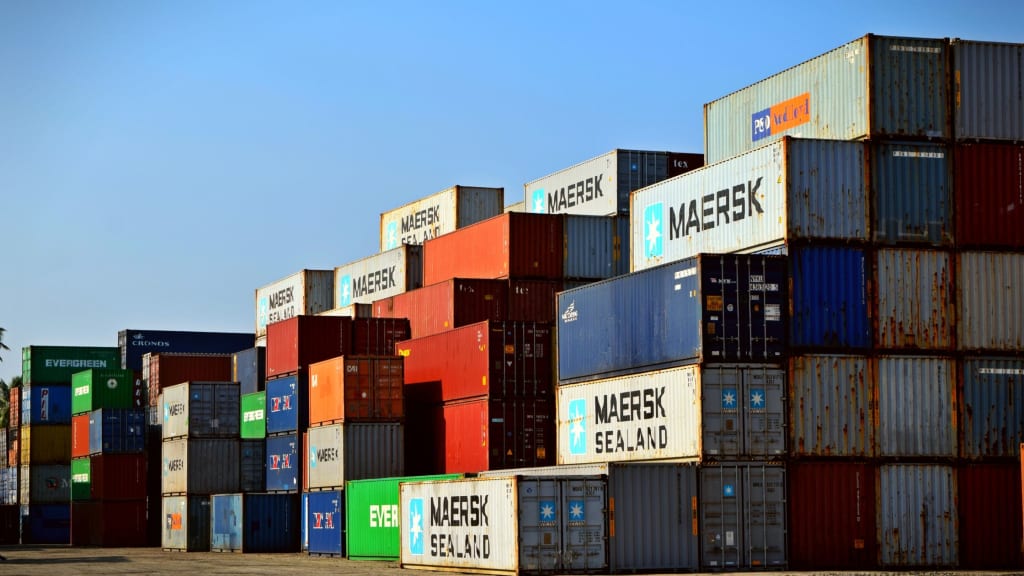
In the intricate web of global trade, shipping hubs play a pivotal role in ensuring goods' smooth and efficient movement worldwide. Neal Elbaum, a seasoned logistics and shipping expert, highlights these crucial nodes' significance in the global supply chain.
From bustling ports to strategic inland logistics centers, these hubs are the heartbeat of international commerce, facilitating the flow of goods, boosting economies, and connecting markets. In this blog, we will delve into the key shipping hubs around the world, their importance, and the factors that contribute to their prominence.
1. The Role of Shipping Hubs in Global Trade
Shipping hubs are strategically located centers that handle a significant volume of cargo, acting as pivotal points in the supply chain. These hubs are essential for several reasons:
Efficiency: They streamline the transfer of goods from one mode of transport to another, such as from ships to trucks or trains.
Connectivity: They serve as major connecting points between different regions and countries, enabling global trade.
Economic Impact: Shipping hubs are often economic powerhouses, generating employment and contributing to the local and national economy.
Logistics Optimization: They facilitate the consolidation and redistribution of cargo, optimizing supply chain logistics.
2. Major Shipping Hubs Around the World
a. Port of Shanghai, China
The Port of Shanghai is the world's busiest container port, handling over 40 million TEUs (Twenty-foot Equivalent Units) annually. Located at the mouth of the Yangtze River, it is a critical gateway for China's exports and imports. The port's strategic location, state-of-the-art infrastructure, and efficient operations make it a cornerstone of global trade.
Importance: As a major export hub, the Port of Shanghai plays a crucial role in the supply chain for a vast array of products, from electronics to textiles.
Infrastructure: The port boasts extensive container terminals, advanced cargo handling equipment, and seamless connectivity to inland logistics networks.
b. Port of Singapore
Singapore's port is renowned for its efficiency and connectivity. It is one of the busiest transshipment hubs, connecting over 600 ports in 120 countries. The port's strategic location at the crossroads of major shipping routes makes it a vital link in global trade.
Importance: The Port of Singapore is crucial for the redistribution of cargo in Asia and beyond, ensuring goods reach their final destinations efficiently.
Innovation: Singapore continuously invests in technological advancements, such as automated container handling and digital port operations, to maintain its competitive edge.
c. Port of Rotterdam, Netherlands
The Port of Rotterdam is Europe's largest port, handling around 14.5 million TEUs annually. Its location at the mouth of the Rhine River provides excellent access to the European hinterland, making it a key gateway for goods entering and leaving Europe.
Importance: The port serves as a major logistics hub for industries across Europe, including automotive, chemicals, and electronics.
Sustainability: Rotterdam is a pioneer in sustainable port operations, implementing green initiatives like shore power and eco-friendly cargo handling techniques.
d. Port of Los Angeles, USA
The Port of Los Angeles is the busiest container port in the United States, handling over 9 million TEUs annually. Situated on the West Coast, it serves as a crucial entry point for goods from Asia.
Importance: The port is vital for the US economy, facilitating trade and supporting millions of jobs in various sectors.
Expansion: Continuous investments in infrastructure and technology ensure the port can accommodate growing trade volumes and larger vessels.
e. Jebel Ali Port, UAE
Jebel Ali Port, located in Dubai, is the largest man-made harbor in the world and the busiest port in the Middle East. It handles over 19 million TEUs annually, serving as a major hub for trade between Europe, Asia, and Africa.
Importance: Jebel Ali Port is a key logistics hub for the region, supporting the UAE's vision of becoming a global trade and logistics center.
Free Zone: The adjacent Jebel Ali Free Zone (JAFZA) attracts numerous international companies, enhancing the port's role in global supply chains.
3. Factors Contributing to the Prominence of Shipping Hubs
Several factors contribute to the success and prominence of these key shipping hubs:
Strategic Location: Proximity to major shipping routes and markets is a critical factor. Ports like Singapore and Jebel Ali benefit from their strategic positions along vital maritime corridors.
Infrastructure: Advanced infrastructure, including deep-water berths, state-of-the-art cargo handling equipment, and efficient logistics networks, is essential for handling large volumes of cargo.
Technology: Adoption of cutting-edge technologies, such as automation, digitalization, and real-time tracking, enhances operational efficiency and reduces turnaround times.
Connectivity: Strong connectivity to inland transportation networks, including rail, road, and air, ensures seamless movement of goods from ports to their final destinations.
Government Support: Supportive government policies and investments in port infrastructure and logistics services play a significant role in the development and growth of shipping hubs.
4. The Future of Shipping Hubs
The future of shipping hubs will be shaped by several emerging trends and challenges:
Sustainability: As environmental concerns grow, ports are increasingly adopting sustainable practices to reduce their carbon footprint. Initiatives such as the electrification of port equipment, the use of alternative fuels, and the implementation of green logistics solutions will become more prevalent.
Digitalization: The digital transformation of ports will continue, with technologies like blockchain, IoT, and AI enhancing transparency, security, and efficiency in the supply chain.
Resilience: The COVID-19 pandemic highlighted the importance of resilience in supply chains. Shipping hubs will need to invest in infrastructure and processes that can withstand disruptions and ensure continuity of operations.
Expansion and Modernization: To accommodate growing trade volumes and larger vessels, ports will continue to expand and modernize their facilities. This includes dredging deeper channels, building additional terminals, and upgrading cargo handling equipment.
Conclusion
Shipping hubs are the lifelines of global trade, playing a crucial role in connecting markets, facilitating the flow of goods, and boosting economies. Key ports like Shanghai, Singapore, Rotterdam, Los Angeles, and Jebel Ali exemplify the strategic importance and operational excellence required to thrive in the competitive world of logistics.
As the industry evolves, these hubs will continue to adapt to emerging trends and challenges, ensuring they remain vital components of the global supply chain. Neal Elbaum's insights into these key shipping hubs underscore their significance and the factors that contribute to their enduring prominence in the world of logistics and shipping.
About the Creator
Neal Elbaum
Neal Elbaum spent years as a Real estate agent serving to individuals realize their dream home.
Keep reading
More stories from Neal Elbaum and writers in 01 and other communities.
Neal Elbaum Shares The Future of Autonomous Vehicles in Logistics Operations
In the ever-evolving landscape of logistics operations, the integration of autonomous vehicles has emerged as a transformative force, promising enhanced efficiency, cost-effectiveness, and safety. As technology continues to advance, industry leaders like Neal Elbaum are at the forefront, shaping the trajectory of autonomous vehicles in logistics. In this article, we delve into the insights shared by Neal Elbaum on the future of autonomous vehicles in logistics operations.
By Neal Elbaum2 years ago in 01
How Mobile App Development Supports Charlotte’s Growing Businesses?
I didn’t always believe a mobile app was a growth tool. For a long time, I saw it as an add-on — something useful once a business was already large, already complex, already stretched. Growth, I thought, came from sales, partnerships, and operations. Technology just followed along.
By Mike Pichai4 days ago in 01
Transforming Developmental Support Through Data-Driven Digital Care Solutions
Operant Systems is at the heart of an emerging trend that is centered around quantifiable improvement and ethical care provision to people with autism spectrum. Centered on clinical rigor and practical implementation, the organization presents solutions that bring technology into the therapeutic objectives. In this context, the application of autism software and operant behavior (ABA) is placed in the role of complementary components that facilitate the process of structured learning, regular reinforcement, and transparent tracking of progress in care facilities in the United States.
By Kashif Khan4 days ago in 01




Comments
There are no comments for this story
Be the first to respond and start the conversation.