
Nariman Point to Virar in 35-40 Minutes: Mumbai’s Coastal Road Extension to Boost Connectivity
Mumbai's Coastal Road

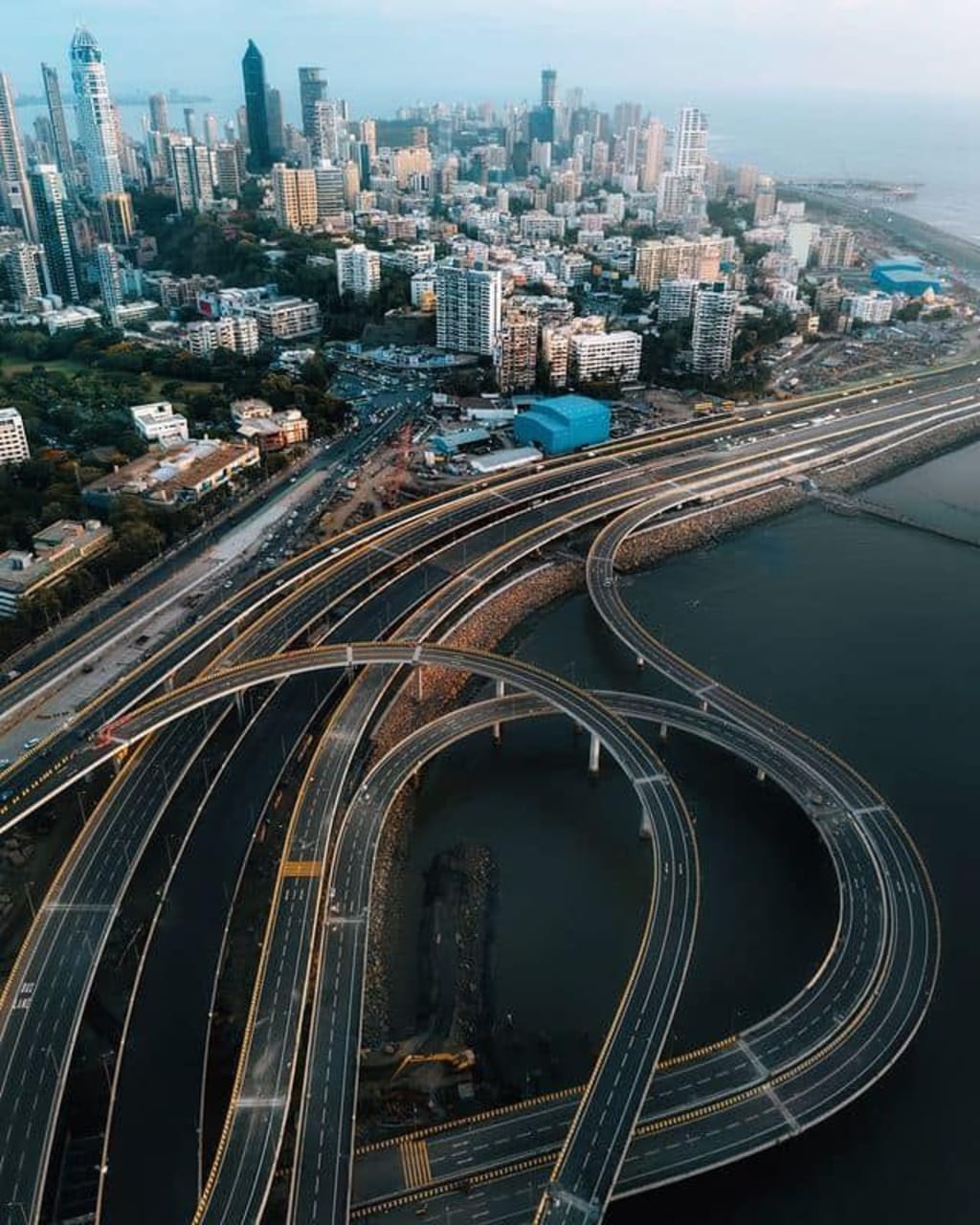
Nariman Point to Virar in 35-40 Minutes: Mumbai’s Coastal Road Extension to Boost Connectivity
Mumbai, India’s bustling financial capital, is known for its packed local trains, congested roads, and heavy traffic jams. As one of the world’s most densely populated cities, infrastructure improvements are essential to meet the daily commuting needs of millions. The proposed extension of Mumbai's Coastal Road promises to address these challenges by significantly cutting travel time between Nariman Point and Virar to just 35-40 minutes. This ambitious project aims to transform Mumbai’s connectivity, boost economic growth, and provide a more efficient transit option for residents and commuters. Below, we explore the critical aspects of this plan, from design and technology to its expected impact on daily life in Mumbai.
1.The Vision Behind the Coastal Road Extension
The Coastal Road project initially planned to connect Marine Drive to Kandivali, stretching along Mumbai’s western coastline. However, the city’s planners soon recognized the need for a longer, faster link between South Mumbai and its northernmost suburbs, which led to the extension proposal from Nariman Point to Virar. The objective of this extension is to streamline traffic flows and provide a faster, uninterrupted route for commuters. By shortening a commute that currently takes upwards of two hours, the project aligns with Mumbai's vision of transforming into a modern metropolis with efficient infrastructure that caters to its growing population and economy.
2.Route and Design Innovations
The Nariman Point to Virar Coastal Road extension covers around 80 kilometers along Mumbai’s western coast, making it one of the longest coastal transit routes in India. Its design includes several innovative features aimed at ensuring the smooth and rapid flow of traffic. Some notable aspects of the design are:
- **Elevated and Subsea Tunnels**: To avoid congestion and bypass densely populated areas, parts of the route will include elevated sections and subsea tunnels, especially around areas with high construction density or environmental sensitivities.
- **Multiple Lanes**: The road will be divided into several lanes to separate high-speed vehicles, such as buses and cars, from slower traffic like two-wheelers. This separation is intended to prevent accidents and maintain optimal speeds throughout the route.
- **Smart Traffic Management Systems**: Advanced sensors and traffic management systems will be implemented to monitor and regulate the flow, detect incidents, and ensure rapid response times. These technologies are expected to minimize delays and improve safety along the corridor.
3.Expected Reduction in Commute Time
Currently, traveling from Nariman Point to Virar can take anywhere from two to three hours, depending on traffic conditions. With the completion of the Coastal Road extension, this journey is anticipated to take just 35-40 minutes, marking a dramatic reduction in travel time. This shortened commute will have profound effects on both daily life and business, as more people will be able to travel between southern and northern parts of the city with ease, potentially making areas like Virar more attractive for real estate and economic development.
4.Boost to Economic Growth and Real Estate
The Coastal Road extension is expected to boost Mumbai’s economy by enhancing connectivity to regions that were previously considered too remote for rapid travel. By reducing the travel time to Virar, this project could significantly increase property values and attract businesses to the northern suburbs. Key benefits include:
- **Commercial Expansion**: Businesses may find it easier to operate in northern suburbs, where property costs are lower than in South Mumbai, thus decentralizing economic activities and providing more opportunities outside the city center.
- **Residential Development**: Reduced travel times will likely increase residential demand in areas like Virar, Vasai, and beyond, leading to the development of new housing projects and suburban neighborhoods. People may now consider living in the northern suburbs while working in South Mumbai, given the faster and more comfortable commute.
- **Employment Opportunities**: Improved connectivity between the city’s northern and southern regions can facilitate job creation, as companies open branches or shift operations to areas that are now more accessible
5.Environmental and Social Impacts
While the Coastal Road extension offers many advantages, its environmental and social impacts are essential considerations. Mumbai’s coastline is home to fragile ecosystems and supports traditional fishing communities that may be affected by construction. As a result, planners have incorporated several measures to minimize negative effects, including:
- **Environmental Mitigations**: Environmental impact assessments have been conducted to identify sensitive areas along the coast, and construction is planned to minimize disruption to marine habitats. Areas near mangroves and coastal wetlands will receive special protection, and subsea tunnel sections will be designed to avoid disturbing the seafloor.
- **Community Engagement**: Fishermen and local communities have been consulted throughout the planning stages to address their concerns and ensure their livelihoods are not unduly impacted. Compensation and relocation packages are being considered for those directly affected by construction activities.
6.Challenges in Implementation
Building an 80-kilometer coastal road through one of the world’s most congested urban environments is a monumental challenge. Some of the obstacles that project planners face include:
- **Cost and Funding**: The extension of the Coastal Road requires substantial investment, with costs projected in the billions of rupees. The government is exploring partnerships with private investors and international financing options to fund the project.
- **Engineering and Technical Challenges**: Given Mumbai’s heavy monsoons and the need for subsea tunnels, engineers must address unique technical challenges to ensure the road's durability and safety. Additionally, constructing the road without disrupting existing infrastructure requires advanced engineering and careful planning.
- **Regulatory and Environmental Approvals**: The Coastal Road project has faced regulatory hurdles, with environmental activists voicing concerns over the potential impact on marine life and coastal communities. Securing approvals and adhering to environmental regulations may add delays to the timeline.
7.Timeline and Phases of Development
The Coastal Road extension from Nariman Point to Virar will be constructed in multiple phases. The first phase, which focuses on connecting South Mumbai to Kandivali, is already underway and is expected to be completed within the next two years. The Virar extension will follow in subsequent phases, with completion targeted within the next five to seven years. Phasing the project allows for better budget management, and each phase’s completion will provide incremental benefits to commuters and residents along the route.
8.Long-term Vision for Mumbai’s Transportation Network
The Coastal Road extension is part of a broader vision to revamp Mumbai’s transportation infrastructure. Alongside metro lines, the Bandra-Worli Sea Link, and proposed trans-harbor link projects, this initiative aims to create a more integrated and efficient transportation network. The goal is not only to reduce congestion on Mumbai’s roads but also to promote sustainable growth by shifting more people from crowded trains and buses to efficient roadways.
9.Public Reception and Future Prospects
Public opinion on the Coastal Road project has been mixed, with many Mumbaikars expressing excitement about faster commute times while others voice concerns over environmental impacts and disruptions to coastal communities. As construction progresses and new sections open, the response of residents and businesses will shape the project’s future trajectory. Ultimately, the Coastal Road extension has the potential to transform commuting in Mumbai, but success will depend on balancing efficiency with environmental and community considerations.
Conclusion
The Nariman Point to Virar Coastal Road extension represents an ambitious effort to modernize Mumbai’s infrastructure and drastically cut commute times across the city. By connecting the financial heart of the city to its northern fringes, the project promises significant economic, social, and environmental benefits. While challenges remain, including technical complexities, funding issues, and environmental concerns, the long-term benefits of a faster, more efficient connection between South Mumbai and Virar could reshape the way residents live, work, and travel. If completed as planned, this transformative infrastructure project will position Mumbai as a more connected, accessible, and vibrant metropolis.
About the Creator
Mahalakshmi
"My name is Mahalakshmi, and I'm passionate about storytelling in all its forms. From fiction to real-life tales, I love writing all types of stories that inspire, entertain, and spark imagination. Join me on this creative journey!"
Keep reading
More stories from Mahalakshmi and writers in 01 and other communities.
TSLA Stock: An In-Depth Analysis
TSLA Stock: An In-Depth Analysis Tesla Inc. (NASDAQ: TSLA) has become one of the most discussed and followed stocks in recent years, driven by the company's impressive growth, ambitious goals, and strong brand appeal. Known primarily for its electric vehicles (EVs), Tesla has also branched into energy storage solutions, solar products, and software. Let's examine the key aspects of TSLA stock, including its performance, factors affecting its value, and future prospects.
By Mahalakshmiabout a year ago in Trader
Taxi App Development Cost: Full Breakdown & Guide (2026)
Building a ride-sharing platform is a massive headache. I reckon most founders jump in thinking they can clone Uber for the price of a used sedan. That is a recipe for a quick exit. Software is never a one-and-done purchase.
By Samantha Blake8 days ago in 01
How to Choose the Best IoT Application Development Services in 2026: Expert Guide
The Internet of Things (IoT) is transforming how businesses operate. From smart factories and connected healthcare devices to intelligent logistics and predictive maintenance systems, IoT is no longer a futuristic concept—it’s a core business strategy. According to recent industry reports, billions of devices will be connected globally by 2026, generating massive volumes of real-time data and creating opportunities for innovation across industries.
By alan michael5 days ago in 01



Comments
There are no comments for this story
Be the first to respond and start the conversation.