
Mobile App Development Benefits for Hospital Chain Management
Here are some key benefits of mobile app development for hospital chain management

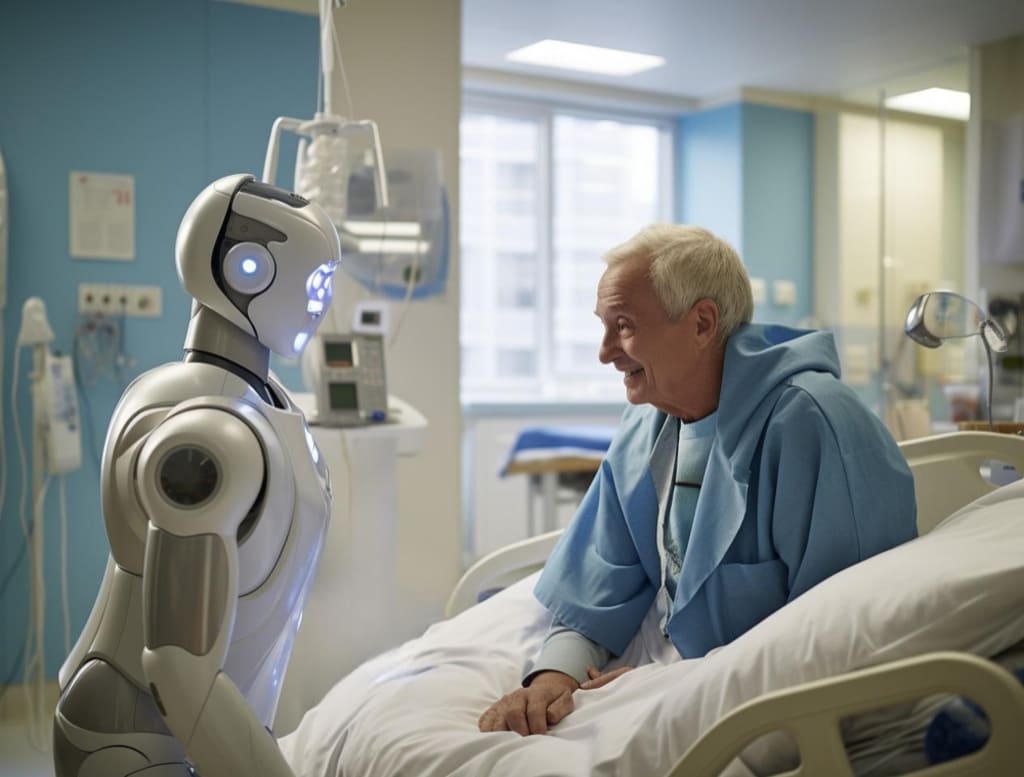
One of the most significant advancements in healthcare management is the development of mobile applications. Mobile apps offer a centralized platform for hospital chains to manage their facilities, staff, and patients effectively. Here are some key benefits of mobile app development for hospital chain management:
1. Enhanced Patient Experience
Mobile apps provide patients with easy access to appointment scheduling, medical records, and online consultations. Features like push notifications remind patients about their appointments, medication schedules, and follow-ups, ensuring better patient engagement and adherence to treatments. Additionally, AI-driven chatbots can assist patients with their queries and provide initial medical guidance before consultations. Personalized health tracking features can also empower patients to manage their wellness more effectively.
2. Centralized Hospital Management
For hospital chains operating across multiple locations, a mobile app serves as a unified platform to manage different branches efficiently. Administrators can monitor operations, staff allocation, and resource utilization, ensuring seamless coordination across all facilities. A centralized dashboard can provide real-time insights into hospital performance and patient inflow, aiding in better decision-making. Mobile apps can also integrate with Electronic Health Records (EHR) to ensure a seamless flow of patient data across hospital branches.
3. Efficient Staff Coordination
Mobile apps enable better communication and coordination among doctors, nurses, and administrative staff. Features such as duty rosters, shift management, and internal messaging improve workforce productivity and reduce communication gaps. Additionally, apps with AI-powered scheduling can optimize staff availability and reduce workload disparities. Task automation features help staff focus on essential patient care duties rather than administrative tasks.
4. Real-time Patient Monitoring
With the integration of wearable devices and remote monitoring systems, mobile apps allow doctors to track patient vitals in real-time. This ensures timely interventions and enhances patient safety, especially for critical or chronic conditions. Patients with chronic illnesses can benefit from continuous monitoring, reducing the need for frequent hospital visits. AI-based predictive analytics can help identify potential health risks before they become critical, improving patient outcomes.
5. Streamlined Billing and Payments
Hospital chain mobile apps can facilitate secure and hassle-free payment options for patients. Features like online bill payment, insurance integration, and automated invoicing improve financial management and reduce administrative workload. Digital wallets and multiple payment gateway options enhance convenience for both patients and hospital administrators. Subscription-based billing models can be introduced for long-term treatments or premium healthcare plans.
6. Improved Data Security and Compliance
Ensuring data security and compliance with healthcare regulations (such as HIPAA) is crucial. Mobile apps with robust encryption and authentication measures protect sensitive patient information and help hospitals maintain compliance with legal requirements. Blockchain technology can also be integrated to enhance data security and prevent unauthorized access. Access control mechanisms can ensure that only authorized personnel handle sensitive patient data.
7. Telemedicine and Remote Consultations
Mobile apps empower hospital chains to offer telemedicine services, enabling patients to consult doctors remotely. This is particularly beneficial for patients in remote areas or those who require regular follow-ups without visiting the hospital frequently. AI-driven diagnostic tools can further enhance remote consultations by providing initial assessments based on patient symptoms. Virtual health assistants can monitor patient progress post-treatment and offer personalized guidance.
8. Inventory and Supply Chain Management
Managing medical supplies, pharmaceuticals, and equipment across multiple hospitals can be challenging. A mobile app can track inventory levels, automate restocking, and reduce wastage, ensuring hospitals are well-equipped at all times. Predictive analytics can also help forecast demand for medical supplies, reducing shortages and excess inventory. Automated alerts can notify administrators about critical shortages, preventing service disruptions.
9. Faster Emergency Response
In emergency situations, mobile apps can assist in quick coordination between ambulances, emergency rooms, and medical staff. GPS-enabled features help track ambulance locations and guide patients to the nearest hospital with available emergency services. Emergency alerts and AI-driven triage systems can help prioritize critical cases and allocate resources efficiently. Integration with emergency response systems ensures rapid dispatching and reduces patient wait times.
10. Data-Driven Decision Making
Mobile apps collect and analyze vast amounts of data related to patient demographics, treatment outcomes, and hospital performance. This data-driven approach helps hospital management make informed decisions, optimize processes, and enhance overall efficiency. AI-powered analytics can also provide predictive insights to improve patient care and resource allocation. Business intelligence dashboards can generate detailed reports for better strategic planning.
11. Personalized Healthcare Solutions
Advanced mobile apps can use AI to analyze patient history and recommend personalized healthcare plans. This can include tailored exercise routines, diet recommendations, and medication reminders based on individual health profiles. Personalized notifications help patients stay engaged with their treatment plans, improving adherence rates and overall health outcomes.
12. Seamless Integration with IoT and AI
The Internet of Things (IoT) can enhance hospital operations by connecting medical devices, wearables, and monitoring systems to a centralized mobile app. AI-powered automation can predict equipment failures, reducing downtime and ensuring hospital efficiency. Smart rooms with voice-assisted controls can improve patient comfort and enhance the overall hospital experience.
Conclusion
Investing in mobile app development for hospital chain management is a game-changer for the healthcare industry. It improves patient care, optimizes hospital operations, and enhances efficiency across multiple locations. With the growing adoption of digital healthcare solutions, hospital chains that leverage mobile technology are better positioned to provide high-quality, patient-centric care while maintaining seamless operations. Additionally, the integration of AI, blockchain, and IoT in mobile apps is shaping the future of healthcare, ensuring hospitals stay ahead in the evolving medical landscape. As technology continues to advance, hospitals that adopt these digital innovations will enhance patient satisfaction, operational efficiency, and overall healthcare delivery.
About the Creator
Nithin Sethu
Hello, I'm Nithin from Synclovis. Here, I work as a Software Engineer. I would like to share my knowledge of the latest trends and features.
Visit: https://www.synclovis.com
Keep reading
More stories from Nithin Sethu and writers in 01 and other communities.
How to Use Prolog for Language Models
Prolog, a logic programming language, is traditionally associated with artificial intelligence, symbolic reasoning, and natural language processing (NLP). Although Prolog is not as commonly used as Python or TensorFlow for deep learning models, it excels in rule-based reasoning, pattern matching, and knowledge representation—key components in language modeling.
By Nithin Sethu12 months ago in 01
Soundtrack of a City: How Local Music Scenes Reveal the True Soul of a Destination
Music as a Cultural Language Every city has a sound. Long before you understand its history or customs, you can often feel its spirit through the music that fills its streets, clubs, and neighborhoods. Local music scenes act as a living language, expressing everything from struggle and celebration to identity and pride. When you travel, listening to that soundtrack gives you access to emotions and stories that guidebooks can never fully explain.
By Devon Alexis5 days ago in 01


Comments
There are no comments for this story
Be the first to respond and start the conversation.