
Mental Health and the Importance of Self-Care
Mental Health Matters: The Importance of Self-Care for Wellbeing
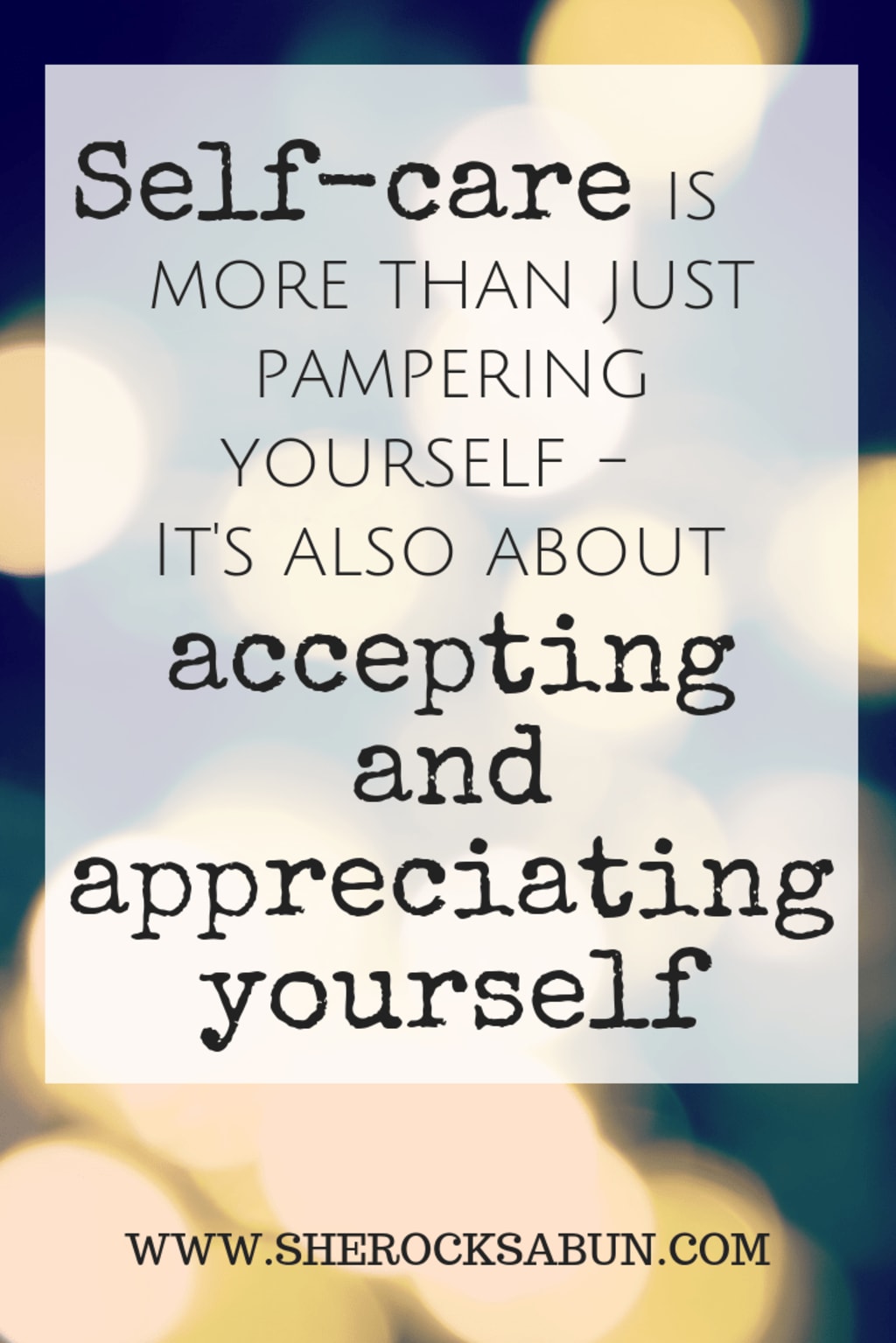
Mental health is a fundamental aspect of human wellbeing that impacts every aspect of our lives, from our emotions and thoughts to our behaviors and relationships. It encompasses our cognitive, emotional, and social functioning, and plays a crucial role in our ability to cope with stress, navigate challenges, and thrive in our daily lives. In today's fast-paced and demanding world, prioritizing mental health has become more important than ever. One effective way to promote mental health and wellbeing is through self-care - the intentional practice of taking care of our physical, emotional, and psychological needs. In this essay, we will explore the significance of mental health and the importance of self-care in nurturing our overall wellbeing.
Mental health is a vital aspect of our overall health and wellbeing. It affects how we think, feel, and act, and influences our ability to cope with stress, make decisions, and form meaningful connections with others. When our mental health is compromised, it can have a significant impact on our daily lives, including our relationships, work, and overall quality of life. Mental health disorders, such as depression, anxiety, and schizophrenia, are common and can have serious consequences if left untreated. According to the World Health Organization (WHO), an estimated 450 million people globally suffer from mental health disorders, and mental health conditions account for a significant portion of the global burden of disease.
Despite the prevalence and impact of mental health issues, mental health has often been stigmatized and overlooked, with individuals facing barriers to accessing mental health care, including discrimination, lack of resources, and societal misconceptions. However, in recent years, there has been a growing recognition of the importance of mental health and the need to prioritize mental wellbeing as an essential component of overall health. Mental health promotion and prevention efforts, including self-care practices, have gained traction as effective strategies for enhancing mental health, preventing mental health issues, and promoting overall wellbeing.
Self-care is a critical component of mental health promotion and involves the intentional practice of taking care of our physical, emotional, and psychological needs. It encompasses a broad range of activities and strategies that support our mental wellbeing, including healthy lifestyle choices, stress management techniques, self-reflection, setting boundaries, and seeking professional help when needed. Self-care is not a luxury, but a necessity for maintaining our mental health and overall wellbeing.
One key aspect of self-care is maintaining good physical health. Our physical health and mental health are intricately connected, and neglecting our physical needs can have a detrimental impact on our mental wellbeing. Engaging in regular physical activity, eating a balanced diet, getting adequate sleep, and managing chronic health conditions are all important components of self-care that can promote mental health. Exercise, for example, has been shown to have numerous mental health benefits, including reducing symptoms of depression and anxiety, improving cognitive function, and enhancing overall mood and wellbeing.
Managing stress is another critical element of self-care. Stress is a normal part of life, but chronic or excessive stress can have negative effects on our mental health. Practicing stress management techniques, such as mindfulness, deep breathing, and relaxation exercises, can help us cope with stress and reduce its impact on our mental wellbeing. Taking breaks, setting boundaries, and engaging in enjoyable activities can also help us manage stress and prevent burnout.
Self-reflection and self-awareness are essential aspects of self-care that can enhance our mental health. Taking the time to reflect on our thoughts, emotions, and behaviors can help us better understand ourselves and our needs. Journaling, meditation, and seeking therapy or counseling are effective self-care strategies that can promote self-awareness and emotional regulation. Developing healthy coping skills, such as problem-solving, assertiveness, and emotion regulation
About the Creator
Hadi Zafar
I will write on topics I think are important for our people to know hope you like it
Keep reading
More stories from writers in 01 and other communities.
The Devil's Cut
“Comrade, finally you’re awake.” The voice was smooth, sensual. A flickering incandescent bar was all that lit the white, sterile room. All Vladimir remembered was everything going black. He tried to move his arms and found them strapped to the gurney.
By Matthew J. Fromm6 days ago in Fiction



Comments
There are no comments for this story
Be the first to respond and start the conversation.