
Maximizing Efficiency in Small Batching Plants: Best Practices for Faster Production
Key Strategies for Improving Workflow, Reducing Downtime, and Boosting Production Speed in Small Batching Plants


Small batching plants are often at the heart of projects that require efficient, cost-effective concrete production. Whether for residential construction, roadwork, or smaller industrial projects, the ability to produce high-quality concrete quickly is essential for staying on schedule and within budget. In this article, we’ll explore best practices for maximizing efficiency in small batching plants, helping operators and business owners streamline operations and boost productivity.
1. Optimize Your Plant Layout
An efficient plant layout is a cornerstone of maximizing productivity. In small batching plants, space is often limited, but careful planning can help streamline workflows. The key is ensuring that materials are easily accessible, and all equipment is organized for optimal performance.
Best Practice:
Arrange raw material storage, batching systems, and mixing units in a linear flow, with minimal backtracking or unnecessary movement.
Position aggregates, cement, and additives in close proximity to the batching and mixing areas to minimize transportation time.
Use elevated storage silos for cement and other bulk materials to reduce the space used on the ground and enhance accessibility.
Efficient use of space and a clear, organized layout can dramatically improve turnaround time and reduce delays during operation.

2. Implement Automated Batching Systems
Manual batching can be time-consuming and prone to human error. Automated batching systems are a great solution for improving accuracy, speed, and consistency in small batching plants. These systems can control the precise amounts of water, cement, and aggregates added to each batch, ensuring that mixes meet exact specifications.
Best Practice:
Invest in an automated batching control system that integrates seamlessly with your plant’s operations.
Regularly calibrate the system to ensure accuracy and avoid discrepancies in batch composition.
Use digital or automated systems for tracking and managing materials, reducing manual input and increasing efficiency.
Automated systems also allow plant operators to focus on overseeing operations rather than manually measuring materials, further improving productivity.
3. Use High-Quality, Efficient Equipment
The performance of a small batching plant is directly tied to the quality of the equipment used. Investing in durable, reliable machinery is crucial for achieving faster production without sacrificing quality. Choosing equipment that is designed for quick mixing, accurate batching, and minimal downtime will pay off in the long run.
Best Practice:
Choose high-capacity mixers that are specifically designed for fast, even mixing. This reduces cycle time for each batch and helps keep up with demand.
Upgrade your batch plant’s equipment regularly to avoid costly breakdowns and to incorporate the latest technologies that enhance efficiency.
Ensure that all equipment is regularly serviced to prevent malfunctions and downtime.
Well-maintained and appropriately sized equipment ensures that your concrete mixing plant can handle the required volume of production without compromising the quality of the final product.

4. Reduce Material Handling Time
Material handling is a critical part of the batching process and can often be a bottleneck in small batching plants. Reducing the time spent moving materials between different stages of production can significantly increase efficiency.
Best Practice:
Implement a streamlined material delivery system that minimizes delays when moving materials from storage to the batching plant.
Use automated conveyors or elevators to transport aggregates and cement to mixing units to reduce manual labor and speed up the process.
Ensure that materials are available in the right quantities and quality to avoid delays caused by stockouts or unnecessary reordering.
By minimizing material handling time, you can reduce the overall production cycle and make the batching process more efficient.
5. Focus on Proper Maintenance and Calibration
Regular maintenance and calibration of equipment are critical to preventing inefficiencies and unexpected downtime. Neglecting maintenance or failing to calibrate machines can lead to inconsistencies in the mix, slower production rates, and unnecessary equipment failures.
Best Practice:
Develop a routine maintenance schedule for all machinery, including mixers, conveyors, and batching systems. This should include cleaning, lubrication, and inspection of all key components.
Regularly check and calibrate weighing systems to ensure that the right proportions of materials are used in every batch.
Train staff to identify early signs of wear and tear, enabling quick fixes before issues disrupt production.
Well-maintained equipment operates more efficiently, reduces the likelihood of costly repairs, and ensures that concrete quality remains consistent.
6. Streamline the Delivery Process
For a small batching plant, delivery is just as important as production. Delays in delivery can lead to significant downtime, especially when concrete is needed on-site at specific times. Maximizing delivery efficiency can ensure that the concrete produced is used optimally without delays.
Best Practice:
Organize a well-planned delivery schedule to ensure that concrete is transported to the job site quickly and on time.
Use GPS tracking and fleet management systems to monitor delivery trucks in real-time and ensure timely dispatch.
Optimize the mixing time to ensure the concrete doesn’t set before it reaches the construction site.
Efficient delivery management allows you to get the most out of your concrete batches and helps reduce delays that could slow down overall project timelines.
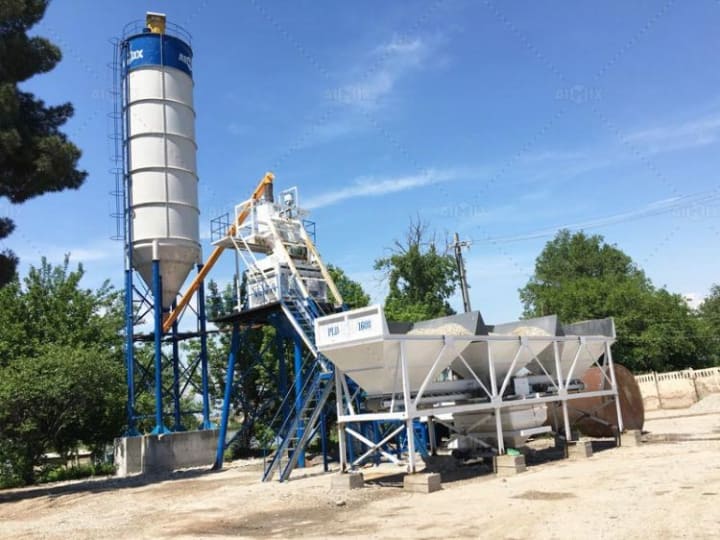
7. Implement Lean Manufacturing Principles
Lean manufacturing principles are all about eliminating waste and improving efficiency. By applying these principles to small batching plants, you can minimize excess materials, time delays, and wasted resources, which ultimately leads to faster and more cost-effective production.
Best Practice:
Analyze each step of your production process to identify bottlenecks, inefficiencies, or areas where time or materials are wasted.
Use techniques like 5S (Sort, Set in order, Shine, Standardize, Sustain) to keep your plant organized and improve workflows.
Track production data to spot trends in inefficiency and adjust your processes accordingly.
By consistently analyzing and improving your processes, you can ensure that every part of your plant’s operation contributes to faster, more efficient production.
8. Train and Empower Your Team
Even with the best equipment and processes in place, a skilled and motivated workforce is essential for achieving maximum efficiency in a small batching plant. Ensuring that your staff is properly trained and equipped to handle the tasks at hand is crucial for optimizing productivity.
Best Practice:
Provide regular training to operators, maintenance staff, and drivers on the latest batching techniques, safety procedures, and equipment handling.
Empower your team to take initiative in identifying and addressing inefficiencies in the system.
Foster a culture of collaboration, where all team members work together to improve processes and solve problems.
A well-trained and motivated workforce is key to maintaining smooth, efficient operations and avoiding delays caused by human error or lack of expertise.
Conclusion
Maximizing efficiency in a small batching plant is about optimizing both the equipment and the processes that drive production. By focusing on streamlined operations, automated batching systems, regular maintenance, and skilled personnel, plant owners can ensure that their batching plant runs at peak efficiency. The ultimate goal is to produce high-quality concrete quickly, consistently, and with minimal waste—ensuring that projects are completed on time and within budget. Implementing these best practices can significantly improve production rates and help small batching plants stay competitive in an increasingly demanding market.
About the Creator
consrtuctionmachines
AIMIX is a customer-center-oriented heavy equipment manufacturer and supplier, devoted to production, innovation, combination, one-stop solution, etc.
https://aimixgroup.com/
Keep reading
More stories from consrtuctionmachines and writers in 01 and other communities.
How to Negotiate to Get a Reasonable Portable Concrete Pump Price
Purchasing a portable concrete pump is a significant investment for construction projects, and negotiating a reasonable price can help reduce upfront costs while ensuring quality. Here are key strategies to effectively negotiate with manufacturers or suppliers for a competitive portable concrete pump price.
By consrtuctionmachinesabout a year ago in 01
How to Choose the Right Tech Stack to Develop a Web Application
Imagine spending six months building your web application, only to realize the technology you chose can't handle your growing user base. Now you're stuck — rewriting code, burning budget, and losing time you can't get back.
By Nico Gonzalez7 days ago in 01




Comments
There are no comments for this story
Be the first to respond and start the conversation.