

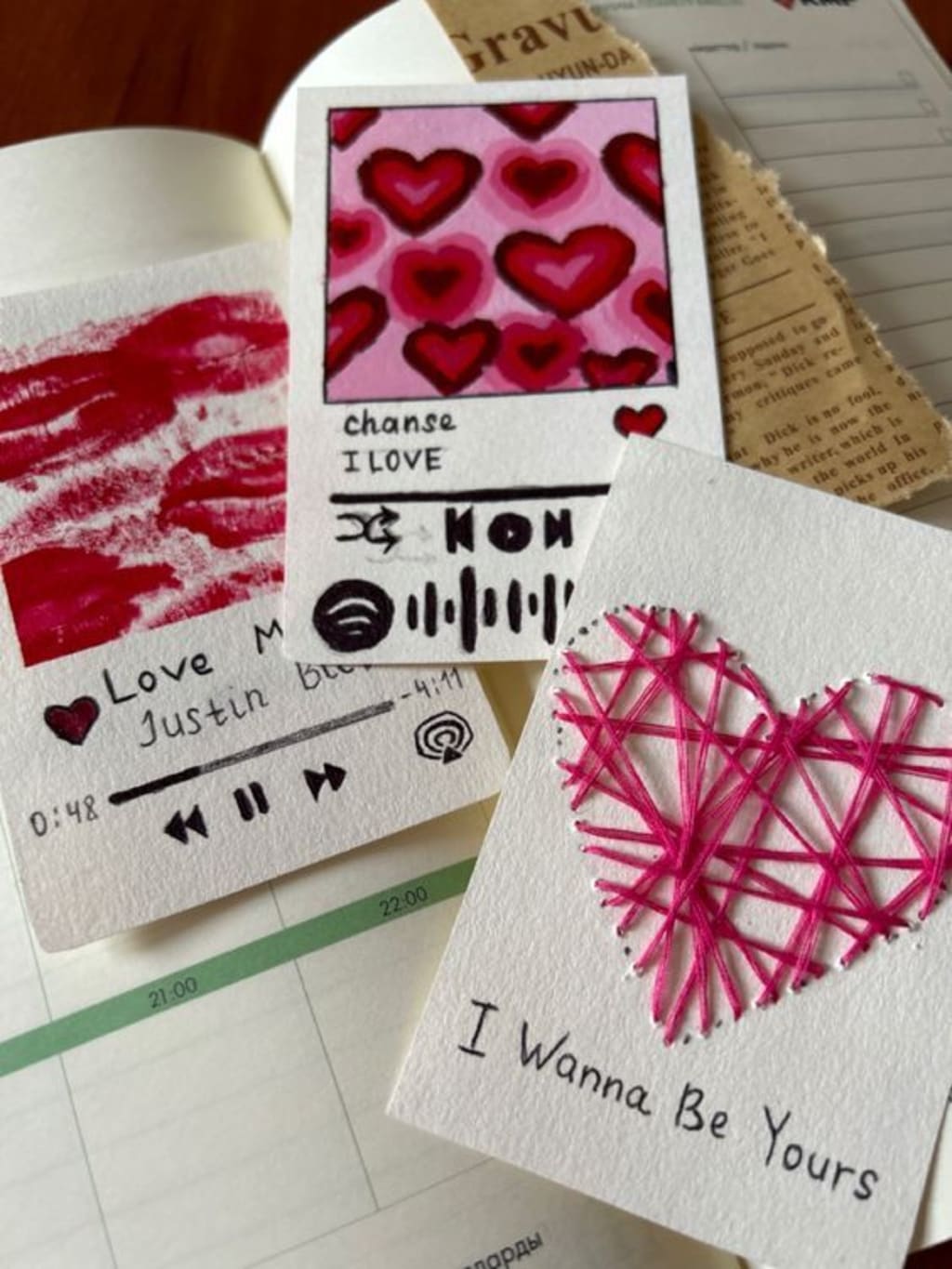
Love Card Craft: A Heartfelt Expression of Creativity
In an era where instant messaging and digital greetings dominate, the charm of a handmade love card holds a special place in people’s hearts. Love card crafting is more than just cutting paper and gluing decorations; it’s an intimate, creative expression of affection. Whether it's for Valentine's Day, an anniversary, or simply to say "I love you," making a love card by hand shows thoughtfulness, effort, and personal touch that no store-bought card can match.
Why Handmade Love Cards Matter
The appeal of a handmade love card lies in its uniqueness and emotional value. Each card tells a story, often reflecting the personality of the giver and the special bond shared with the recipient. It demonstrates that someone took the time and effort to create something from scratch—a genuine act of love in itself.
Handmade cards are keepsakes, often treasured long after the occasion has passed. Unlike digital messages that can get buried in chat histories or lost over time, a crafted love card is tangible, something to hold onto and revisit.
Materials Needed for Love Card Crafting
The materials required for love card crafting can be simple or elaborate, depending on the crafter’s skill level and preferences. Here are the basic essentials:
Cardstock or heavy paper: This forms the base of the card.
Scissors or a craft knife: For precise cutting.
Glue or double-sided tape: To assemble the card.
Pens, markers, or colored pencils: For writing and decorating.
Stickers, washi tape, and embellishments: For adding charm and personality.
Stamps and ink pads (optional): For neat, artistic touches.
Ribbons, lace, or fabric scraps: To add texture and depth.
Many people also use tools like embossing machines, die-cut machines (such as Cricut), and templates to enhance their card designs.
Popular Love Card Themes and Styles
Love card crafts can vary widely in theme and style. Some popular ideas include:
Classic Romantic: Think hearts, roses, and handwritten poetry. These cards often use red, pink, and white color schemes and incorporate lace or floral elements.
Pop-Up Cards: These three-dimensional creations surprise the recipient when opened. A pop-up heart, bouquet, or even a miniature scene can make a powerful impact.
Minimalist: Clean lines, simple color palettes, and subtle designs for a modern aesthetic. These cards rely on typography and clever layout more than ornate decoration.
Vintage-Inspired: Using muted tones, aged paper, and classic fonts, vintage love cards evoke nostalgia and elegance.
Interactive Cards: Pull-tabs, spinning wheels, and secret compartments add a fun, playful twist to traditional cards.
Photo Cards: Incorporating a personal photo adds a deeply personal element, perfect for celebrating shared memories.
Step-by-Step Guide to Making a Simple Love Card
Here’s a straightforward way to make a beautiful love card, ideal for beginners:
Step 1: Choose Your Card Base
Select a piece of cardstock (typically 5x7 inches when folded) in your preferred color. Red or pink is classic, but don’t be afraid to get creative with pastels, metallics, or even bold shades like navy or emerald green.
Step 2: Plan Your Design
Sketch out your layout before gluing anything. Decide where the message will go, what embellishments to use, and whether there will be any moving parts or layers.
Step 3: Add Decorative Elements
Cut out hearts or shapes from contrasting paper. Use patterned paper as a background or create a border using washi tape. Layering adds depth and visual interest.
Step 4: Add a Personal Message
This is the heart of your love card. Whether it’s a simple “I love you” or a poetic love letter, write it neatly inside the card. Consider using calligraphy or a fine-tip pen for a polished look.
Step 5: Final Touches
Add embellishments like glitter, sequins, or small fabric flowers. Make sure not to overcrowd the card—sometimes less is more.
Step 6: Envelope It Up
Create or decorate a matching envelope for your card. A wax seal or ribbon tie can add an elegant finishing touch.
Love Card Crafting Tips and Tricks
Start early: Rushing a project rarely leads to the best results.
Test layouts: Use a scrap sheet to experiment with design and placement before applying anything permanently.
Use double-sided tape for a cleaner finish compared to glue.
Layering is key: Use foam tape to give elements a raised, 3D effect.
Incorporate texture: Mix materials like fabric, twine, or embossed paper for visual and tactile appeal.
Don’t worry about perfection: The imperfections of a handmade card add to its charm and authenticity.
Love Card Crafting for Kids
Love card crafting is also a delightful activity for children. Simple projects with cut-out hearts, stickers, and crayons allow kids to express their feelings creatively. It’s a great way to teach them about appreciation, gratitude, and how small gestures can make a big impact.
Sustainability in Crafting
Eco-conscious crafting is gaining traction. Recycled materials, plant-based inks, and biodegradable glitter are becoming popular. Upcycling old magazines, newspaper clippings, or fabric scraps not only reduces waste but also adds a unique, eclectic look to cards.
You can also use digital design tools to print hybrid cards that combine hand-drawn elements with printed graphics for a modern twist, using recycled paper as the base.
The Emotional Power of a Handmade Card
At its core, a love card is a small package of emotion. It can celebrate milestones, apologize sincerely, confess feelings, or simply remind someone they’re loved. In a world driven by speed and efficiency, taking time to create something meaningful is a radical, beautiful act.
Love card crafting isn’t just about paper and glue—it’s about making someone feel valued and seen. That’s a gift no store-bought card can replicate.
About the Creator
Mine_Craft
I'm passionate about the art of crafting—bringing ideas to life with creativity, patience, and hands-on skill.
Keep reading
More stories from Mine_Craft and writers in 01 and other communities.
Wall Curly Craft
The Art and Significance of Crafts Crafts, often referred to as handicrafts or artisan work, represent one of the oldest and most enduring forms of human creativity. They are tangible expressions of culture, identity, and heritage, encompassing a wide variety of handmade objects created using traditional methods. From the woven baskets of Africa to the pottery of East Asia and the intricate embroidery of Eastern Europe, crafts reflect the diversity and ingenuity of human societies throughout history.
By Mine_Craft9 months ago in 01
iPhone 18: Everything We Know So Far (When is The iPhone 18 Coming Out)
So here’s the big headline right out of the gate: the iPhone 18 is coming — just not when most people expect. Forget 2026. According to the latest leaks and industry chatter, Apple’s next regular iPhone refresh won’t land until early 2027.
By Info Post Gate2 days ago in 01
AI in Telemedicine: Why Your Doctor's Screen Time Just Got a Whole Lot Smarter
Your doctor used to need a stethoscope. Now? A solid internet connection and some seriously clever algorithms. I'll be straight with you. When AI first started creeping into telemedicine, I was skeptical. Proper skeptical. Another buzzword, another overhyped promise. But here we are in 2026, and I reckon I was dead wrong.
By Sherry Walkerabout 16 hours ago in 01



Comments
There are no comments for this story
Be the first to respond and start the conversation.