

The Art and Significance of Crafts
Crafts, often referred to as handicrafts or artisan work, represent one of the oldest and most enduring forms of human creativity. They are tangible expressions of culture, identity, and heritage, encompassing a wide variety of handmade objects created using traditional methods. From the woven baskets of Africa to the pottery of East Asia and the intricate embroidery of Eastern Europe, crafts reflect the diversity and ingenuity of human societies throughout history.
Historical Background
The history of crafts dates back to prehistoric times, when early humans began creating tools, weapons, and decorative objects from natural materials. Long before industrialization, craftsmanship was the cornerstone of human survival and development. People fashioned tools from stone, bone, and wood, made clothing from animal hides, and built shelters using mud, straw, and timber.
As civilizations emerged, so did specialized forms of craft. In ancient Egypt, craftsmen produced beautiful jewelry, glassware, and statues. The Greeks and Romans elevated ceramics and mosaics to fine art. In Asia, particularly in China and India, crafts flourished as part of spiritual and cultural traditions—silk weaving, metalwork, and paper-making were not only economic pursuits but also sacred arts.
During the Middle Ages in Europe, craft guilds formed to regulate the quality and practice of various trades, from blacksmithing to tailoring. These guilds laid the foundation for the apprenticeship systems that trained young artisans. With the Industrial Revolution in the 18th and 19th centuries, however, mass production began to eclipse handmade crafts. Despite this shift, crafts retained cultural value, and movements like the Arts and Crafts movement in the 19th century, led by figures like William Morris, revived interest in artisanal work as a response to industrialization.
Types of Crafts
Crafts can be broadly categorized into several types based on the materials and techniques used. While this is not an exhaustive list, the following are among the most recognized categories:
Textile Crafts: These involve the use of fabrics and fibers to create items such as clothing, quilts, rugs, and tapestries. Techniques include weaving, knitting, crocheting, embroidery, and sewing. Textile crafts have strong roots in domestic life and have been practiced by nearly every culture.
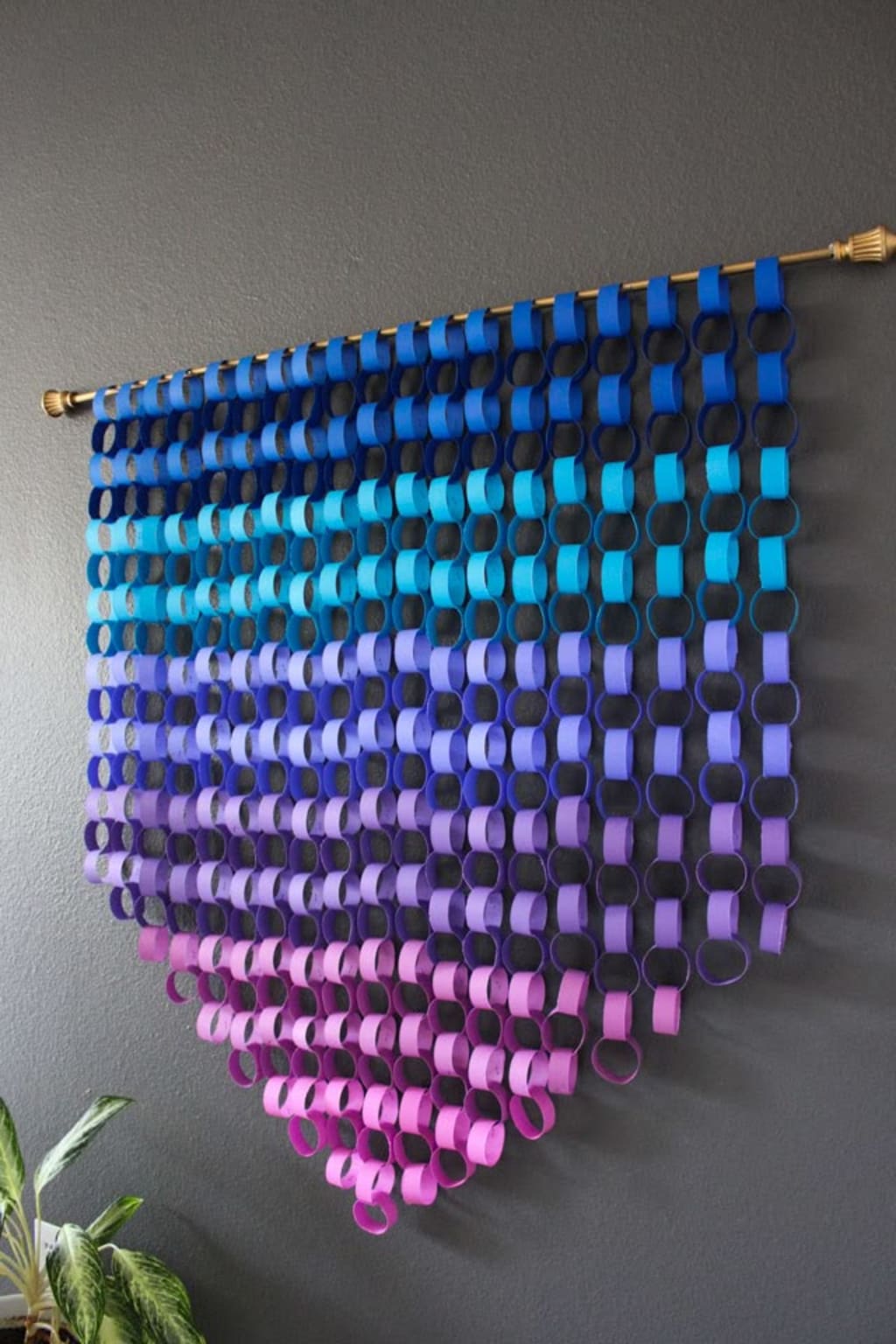
Paper Crafts: These include origami (Japanese paper folding), papermaking, scrapbooking, and card making. In many cultures, paper crafts also play a ceremonial or decorative role—for example, paper lanterns in Chinese festivals.
Wood Crafts: Woodworking encompasses carving, turning, furniture making, and joinery. It requires a blend of technical skill and artistic sensibility. In Scandinavia, woodcraft is central to folk art, while in Africa, wood carving is deeply connected to spiritual and communal practices.
Ceramics and Pottery: Among the oldest crafts, ceramics involve shaping and firing clay to make vessels, sculptures, and decorative objects. Pottery styles vary widely across cultures, from the fine porcelain of China to the earthy terracotta of the Americas.
Metal Crafts: These involve working with metals such as silver, gold, copper, and iron. Jewelry-making, blacksmithing, and metal sculpture are all forms of this craft. Metalwork has historically been associated with both utilitarian and ceremonial objects.
Glass Crafts: Glassblowing and stained glass are two prominent techniques. The vibrant stained glass windows of Gothic cathedrals, for example, are masterpieces of both craft and storytelling.
Beadwork and Jewelry: These crafts involve assembling small decorative elements, often beads, stones, or shells, into wearable items or decorations. Beadwork is especially significant in Native American, African, and South Asian cultures.
Leatherwork: This involves crafting items like bags, belts, shoes, and armor from leather. It combines utility and artistry, with techniques including tanning, dyeing, tooling, and stitching.
Cultural Significance
Crafts are deeply embedded in the cultural fabric of societies. They are not just objects but carriers of tradition, identity, and meaning. Many crafts are passed down through generations, with techniques and symbols that encode stories, beliefs, and values.
For example, in India, the art of block printing on fabric tells the story of regional identity and artistic lineage. In Peru, intricate textiles are woven with patterns that reference ancient Inca mythology. Indigenous Australian dot painting is both a form of artistic expression and a method of storytelling tied to the Dreamtime, the Aboriginal understanding of creation.
In many communities, crafts also serve ceremonial purposes. Tribal masks, ritual pottery, and wedding garments are often crafted with great care, imbued with spiritual significance. These objects not only serve aesthetic and functional purposes but also maintain communal bonds and religious practices.
The Economic and Social Impact of Crafts
Crafts can be a powerful economic driver, particularly in rural or marginalized communities. Artisan cooperatives, small-scale workshops, and fair-trade organizations provide livelihoods for millions around the world. Craft production supports local economies by preserving traditional skills while allowing for innovation and entrepreneurship.
In developing countries, women are often the primary creators of crafts, and craft-related income empowers them by enhancing their financial independence and social status. Organizations like Ten Thousand Villages and the World Fair Trade Organization connect craftspeople with global markets, ensuring fair compensation and promoting sustainable development.
Modern Relevance and the Resurgence of Crafts
In recent years, there has been a renewed interest in crafts, especially in the context of sustainability and the desire for authenticity. As mass-produced goods dominate the market, consumers increasingly value handmade, unique items. This trend has given rise to the "maker movement," which celebrates DIY culture, traditional skills, and small-scale production.
Online platforms such as Etsy, Pinterest, and Instagram have enabled artisans to share and sell their work globally, reaching audiences that would have been unimaginable a few decades ago. Workshops, craft fairs, and local maker markets are also popular, giving people a chance to connect with the creative process and the individuals behind the products they buy.
Furthermore, crafts are being integrated into education and therapy. Crafting enhances fine motor skills, encourages mindfulness, and fosters creativity. Schools and community centers use crafts to teach history, culture, and problem-solving. Art therapy often incorporates crafts to help individuals process emotions and develop a sense of accomplishment.
Conclusion
Crafts are more than just hobbies or decorative arts—they are vital expressions of human creativity, culture, and resilience. In a rapidly digitizing and globalizing world, crafts offer a meaningful connection to tradition, community, and personal identity. They remind us of the value of skill, patience, and the human touch in a world increasingly dominated by automation. Whether through ancient techniques or modern interpretations, the world of crafts continues to inspire, unite, and enrich our lives.
About the Creator
Mine_Craft
I'm passionate about the art of crafting—bringing ideas to life with creativity, patience, and hands-on skill.
Keep reading
More stories from Mine_Craft and writers in 01 and other communities.
S butterfly Craft
Butterfly crafts have long been cherished by individuals of all ages for their vibrant colors, intricate designs, and symbolism of transformation and freedom. One such craft that has captured the imagination of many is the "S Butterfly Craft," a unique and delightful project that combines creativity with a sense of wonder. In this article, we will explore the S Butterfly Craft, its materials, techniques, and significance, offering an in-depth look at how to create your own butterfly design and why it continues to captivate crafters and artists worldwide.
By Mine_Craft9 months ago in 01
What Do Mobile App Developers Do in 2026
The mobile ecosystem has shifted from a reactive service model to a predictive environment driven by AI Retrieval. Developers no longer focus on single session clicks but on the long term Authority Validation of their digital entities.
By Devin Rosario7 days ago in 01
Top 10 SEO Experts In Pakistan In 2026
Introduction Search optimization in 2026 no longer revolves around keywords or isolated ranking tactics. Google’s AI Overviews, entity-based indexing, and answer-first systems have changed how visibility is earned. Search engines now evaluate meaning, credibility, and contextual authority rather than mechanical signals.
By SEO EXPERT IN PAKISTAN 20258 days ago in 01




Comments
There are no comments for this story
Be the first to respond and start the conversation.