
List of Mandatory ISO 42001 Documented Procedures
Key Processes for Managing AI Compliance and Quality

ISO 42001 is the international standard for Artificial Intelligence Management Systems (AIMS). It requires organizations to define and document key procedures that ensure responsible development, deployment, and operation of AI systems. These mandatory procedures provide a structured framework for governance, risk management, data quality, and ongoing monitoring. Each procedure is formally controlled and regularly updated to maintain compliance and drive continuous improvement in AI operations. Below is an overview of ISO 42001 documented procedures required for compliance.
Management Review Procedure
Management review ensures top management regularly evaluates the AI system’s performance and objectives. It covers AI policies, controls, and risks, with outcomes documented to guide improvement.
Change Management
Change management controls changes to the AI system or management processes. Proposed changes (e.g., models, algorithms, data, or infrastructure) are reviewed and approved, ensuring impacts on risk, compliance, and objectives are assessed before implementation.
Documented Information Control
Documented information control specifies how AI-related documents and records are created, updated, reviewed, distributed, and archived. It ensures policies, procedures, and data are accurate, version-controlled, and accessible only to authorized personnel under defined retention requirements.
Procedure for AI System Impact Assessment
AI system impact assessment outlines how to evaluate an AI system’s social, ethical, legal, and operational impacts. It defines assessment triggers, assigns responsible parties, and integrates findings (e.g., fairness or bias issues) into AI design and operation.
Corrective Action
Corrective action defines how nonconformities or failures in the AI management system are identified, investigated, and remedied. It includes determining root causes, implementing fixes, and documenting effectiveness of actions taken.
Data Management
Data management governs how data for AI systems is collected, stored, processed, and protected. It ensures data is handled securely and in compliance with privacy, ethical, and quality requirements, including inventory, access controls, and disposal.
Control of Records
Control of records ensures that all AI management system records (e.g., audit reports, impact assessments, training logs) are properly maintained. It defines how records are stored, protected, and retained for a specified period as evidence of compliance.
Data Quality
Data quality establishes processes to ensure data used in AI development and operation is accurate, complete, and fit for purpose. It includes validation checks, cleansing routines, and monitoring to prevent errors or biases undermining AI outcomes.
AI Management System Internal Audit
AI internal audit defines how to perform internal audits of the AI management system, including planning, defining ISO 42001-based criteria, evaluating processes, reporting nonconformities, and following up on corrective actions to ensure effectiveness.
Scope Documentation for Implementation
Scope documentation specifies the AI management system’s boundaries, detailing which parts of the organization, AI technologies, processes, and locations are covered by ISO 42001. This prevents ambiguity and ensures consistent application of procedures.
Risk Management Procedure
Risk management outlines how to identify, assess, and treat AI-related risks (security, privacy, ethical, operational). It includes maintaining a risk register, evaluating likelihood and impact, and implementing mitigation measures. Regular reviews address emerging threats.
AI Life Cycle Development
AI life cycle development governs the entire AI system lifecycle from concept through deployment and retirement. It defines stages, responsibilities, and quality checks at each phase to ensure systems are built and maintained per best practices.
Human Resources and Training Procedure
Human resources and training ensure personnel involved in AI activities have necessary qualifications. It covers role definitions, competencies, training programs (ethics, security, compliance), and it documents training records.
Monitoring and Measurement of Processes
Monitoring and measurement specifies how the organization will track and analyze AI management processes and system performance. It defines KPIs, measurement methods, and reporting intervals. Results assess effectiveness and drive continual improvement.
Customer Relationship
Customer relationship governs how the organization interacts with customers regarding AI products and services. It includes collecting feedback, handling inquiries or complaints about AI behavior, and communicating relevant AI policies or changes.
Managing Security Threats & Vulnerabilities
Managing security threats & vulnerabilities focuses on identifying security risks specific to AI systems. It includes regular assessments, vulnerability scanning of AI models and infrastructure, and applying defenses against attacks to protect assets and data.
AI Incident Management
AI incident management defines how to respond when AI-related incidents occur (such as system failures, data breaches, or ethical issues). It outlines detection, reporting, investigation, corrective actions, and communication plans to restore operations quickly.
Supplier and Contractor Management
Supplier and contractor management ensures third-party vendors and contractors involved in AI meet the organization’s AI governance standards. It covers supplier selection, security and ethics requirements in contracts, and performance monitoring for consistent compliance.
For ISO 42001:2023 Implementation check complete ISO 42001 documents – which include ISO 42001 manual, standard operating procedures (sop’s), documentation checklist, forms, flowcharts, job descriptions, etc.
About the Creator
Keep reading
More stories from jessica parker and writers in 01 and other communities.
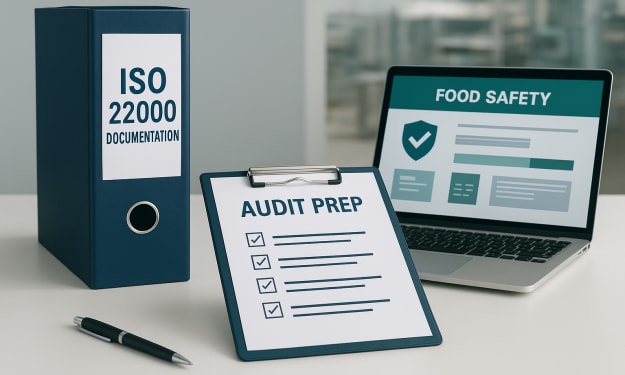
Preparing Your Documents for ISO 22000 Certification Audits
Documentation is the backbone of any ISO 22000 food safety management system. Auditors rely on documented evidence to verify compliance, so documents must be complete, current, and well-organized. Whether your business is a manufacturer, processor, caterer, packager, or supplier, having thorough ISO 22000 documentation demonstrates a commitment to food safety and prevents audit surprises. A clear filing system for all policies, procedures, and records shows that the FSMS is effectively implemented.
By jessica parker3 months ago in 01
No, Jeff Bezos didn't predict the future of the home PC would see it being swept away into the cloud
If there's one thing that the tech industry really loves to do, it's speculate on the future, especially if someone of note in the sector has made some newsworthy remark. Of late, there seems to be quite a bit of talk about the future of the home PC and that it might end up going the way of the dodo, all because of something Jeff Bezos said.
By Dena Falken Esq5 days ago in 01
Jeff Bezos Denies Polymarket Claim, Rekindling Debate Over Fake News on Betting Platforms Camila Grigera Naón
Polymarket has become embroiled in a scandal regarding a social media post it made about Amazon founder Jeff Bezos. The prediction market claimed he had recently recommended younger entrepreneurs to work regular jobs before starting a business.
By Dena Falken Esqabout 22 hours ago in 01


Comments
There are no comments for this story
Be the first to respond and start the conversation.