
Karen Yap Chew Ling Explains the Power of Branded Games in a Tokenized World
How Web3 and Play-to-Earn Are Transforming Brand Engagement Through Tokenized Gaming Experiences

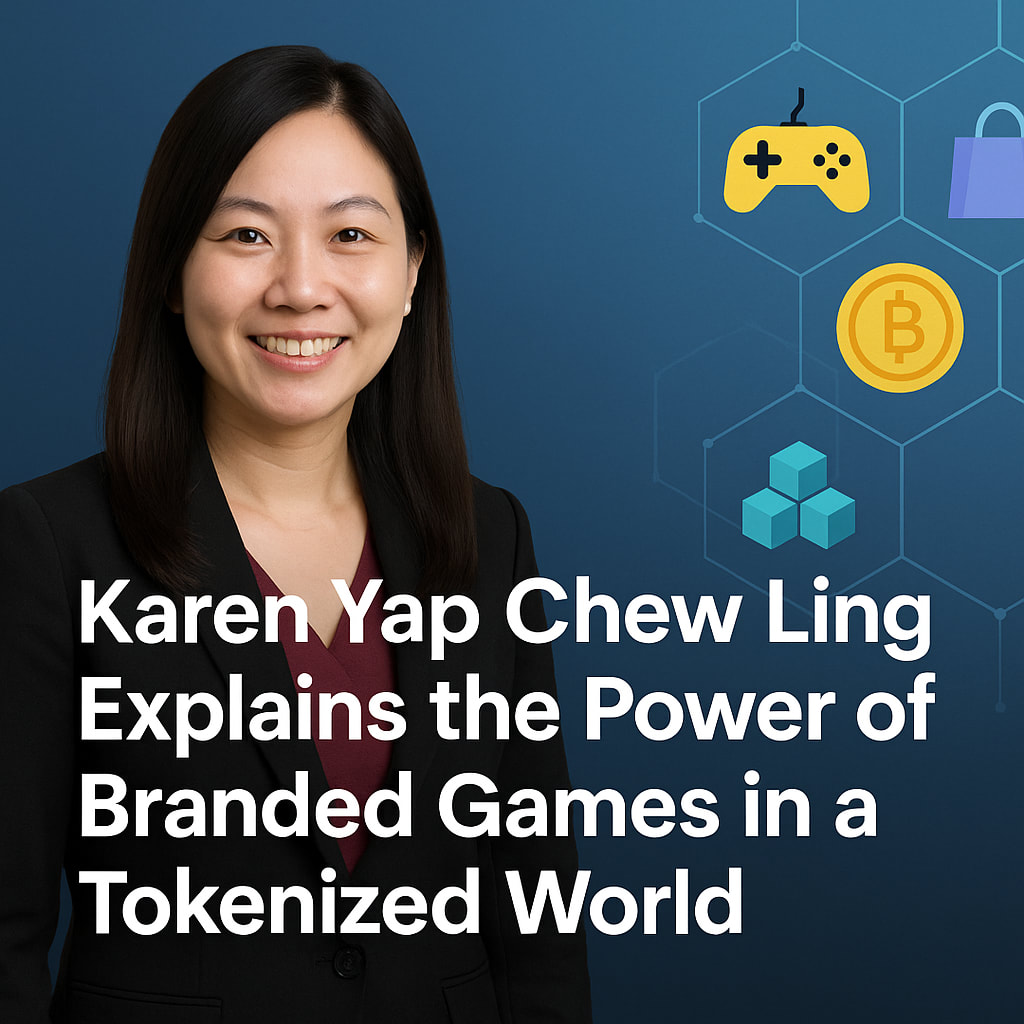
In a rapidly evolving digital ecosystem, brands are constantly seeking new ways to connect with audiences — not just to capture attention but to create real, lasting engagement. As the world moves toward decentralization and digital ownership, branded games in tokenized environments are emerging as one of the most powerful tools in a marketer’s arsenal.
At the forefront of this movement is Karen Yap Chew Ling, Head of Business Development at SkillGaming.com, a pioneering play-to-earn (P2E) platform that merges hyper-casual gaming with blockchain integration. With an impressive track record of onboarding brands across industries — from airlines to blockchain startups — Karen is a leading voice on how branded games can deliver results in the Web3 world.
In this guest post, Karen shares insights into why branded games matter, how tokenization enhances value, and what businesses should consider when entering this exciting new space.
🎮 What Are Branded Games — And Why Are They Evolving?
Traditionally, branded games have been used as digital marketing tools — often short, interactive games designed to promote a product, raise brand awareness, or drive user interaction.
But according to Karen Yap Chew Ling, we’re entering a new era of branded gaming — one where the lines between entertainment, marketing, and finance are blurred.
“In the Web2 world, branded games were novelty experiences. In Web3, they become part of the value chain,” explains Karen. “We’re not just talking about fun anymore — we’re talking about token rewards, NFTs, loyalty, and real utility.”
With the rise of blockchain-based infrastructure and play-to-earn mechanics, brands can now reward players with tokens or digital assets, enabling deeper, more meaningful connections with their audience.
🌐 The Rise of Tokenization in Gaming
Tokenization refers to the process of assigning real-world or digital value to in-game elements — such as tokens, digital rewards, or NFTs (non-fungible tokens). When combined with branded experiences, this creates an entirely new engagement model.
Karen Yap Chew Ling outlines several reasons why this is a game-changer for brands:
1. Incentivized Engagement
Users don’t just play — they play to earn. This leads to longer session times, repeat visits, and word-of-mouth virality.
2. True Digital Ownership
With NFTs or token-based rewards, users can own what they earn — from loyalty perks to exclusive digital collectibles tied to a brand.
3. Cross-Platform Ecosystems
Tokenized rewards can be redeemed across multiple platforms — a coffee chain, a partner airline, or even another brand’s campaign.
4. Data-Driven Strategy
On-chain activity provides real-time data insights on user behavior, campaign ROI, and engagement trends — without breaching user privacy.
🛫 Real-World Examples: From Airlines to NFT Projects
Under Karen’s leadership, SkillGaming has powered multiple branded game campaigns across various sectors. Each project demonstrates the unique power of branded gaming in a tokenized ecosystem.
✈️ Airline Loyalty Gamified
One collaboration with a regional airline saw the launch of a branded mobile minigame where passengers could win NFT luggage tags and tokenized air miles by playing during layovers or while waiting at boarding gates.
“The airline was able to turn idle time into a brand moment,” says Karen. “It increased app downloads by 40% and also onboarded users into their tokenized loyalty program seamlessly.”
🎨 NFT Art Drops with a Twist
A well-known NFT project partnered with SkillGaming to launch a series of interactive puzzles. Solving them unlocked access to exclusive NFT drops — gamifying the minting process and dramatically increasing user engagement.
🏨 Hospitality Meets Hyper-Casual
A hotel chain created a location-based gaming experience, where guests could play games in-room to earn tokens that could be redeemed at the spa or restaurant. The games were themed around the hotel’s branding and local culture.
💡 Key Considerations for Brands Entering Web3 Gaming
Branded gaming in a tokenized world may sound exciting — but it’s not plug-and-play. Karen Yap Chew Ling emphasizes that strategy is everything.
“You can’t just slap a logo on a game and expect users to care. The gameplay must align with your brand voice, and the rewards must have perceived — and real — value.”
Here’s what Karen recommends brands consider before diving in:
1. Define Your Objectives
Are you trying to increase brand awareness? Onboard users into a loyalty program? Introduce a new product? The goal will shape the gameplay.
2. Choose the Right Game Format
Hyper-casual games work great for mass audiences, while puzzles and strategy games may appeal to more niche, engaged communities.
3. Decide on Token Utility
What will players earn, and how can they use it? Tokens must offer clear utility — from discounts to exclusive access.
4. Ensure Accessibility
Not all users are crypto-savvy. Consider Web2-friendly onboarding with optional wallet creation or social logins.
5. Plan for Long-Term Engagement
A successful branded game should not be a one-off. Build seasonal content, tournaments, or update mechanics to keep players coming back.
🧠 Karen’s Vision: Gaming-as-a-Service (GaaS) for Brands
Karen Yap Chew Ling is not just promoting branded games — she’s advocating for a new business model altogether: Gaming-as-a-Service (GaaS).
“Brands don’t need to build entire games from scratch. Through platforms like SkillGaming, we offer white-label solutions, token integration, and gameplay customization — all while maintaining full brand control.”
GaaS enables businesses to launch games quickly, affordably, and strategically, leveraging SkillGaming’s infrastructure and blockchain tools.
Whether it's a travel agency, an eCommerce platform, or a metaverse event organizer, GaaS empowers any brand to enter the gaming world with minimal risk and maximum impact.
About the Creator
Karen yap Chew Ling
Karen Yap Chew Ling spearheads business development at SkillGaming.com, a play-to-earn gaming platform focused on hyper-casual minigames.
Keep reading
More stories from Karen yap Chew Ling and writers in 01 and other communities.
How Karen Yap Chew Ling is Changing Blockchain Gaming through Gaming as a Service (GaaS)
Blockchain gaming is emerging as a significant frontier in an industry that is frequently defined by rapid innovation and intense competition. And at the centre of this change is Karen Yap Chew Ling, a visionary leader who is influencing how we play video games. Karen is driving the adoption of Gaming as a Service (GaaS), a concept that may very well define the future of blockchain gaming, through her work at SkillGaming.com.
By Karen yap Chew Ling9 months ago in Gamers
Configure KeyLocker for JarSigner using the DigiCert KSP Library
Prerequisites Before configuring KeyLocker for JarSigner, please ensure you have the following components and environment set up. Each of these is necessary and plays a role in establishing a contracted, secure, engaging signing environment.
By Anna Shipman3 days ago in 01
The AI Therapist
The first time I walked into the clinic, I felt like I was stepping into a science fiction movie. The walls were white and smooth, the lighting soft and calming. There were no paper forms to fill out. No nervous receptionist. No waiting room filled with old magazines and awkward silence.
By Ahmed aldeabellaabout 21 hours ago in 01


Comments
There are no comments for this story
Be the first to respond and start the conversation.