
Karaikudi's Historic 74-Year-Old Road.
Save the strongest old road

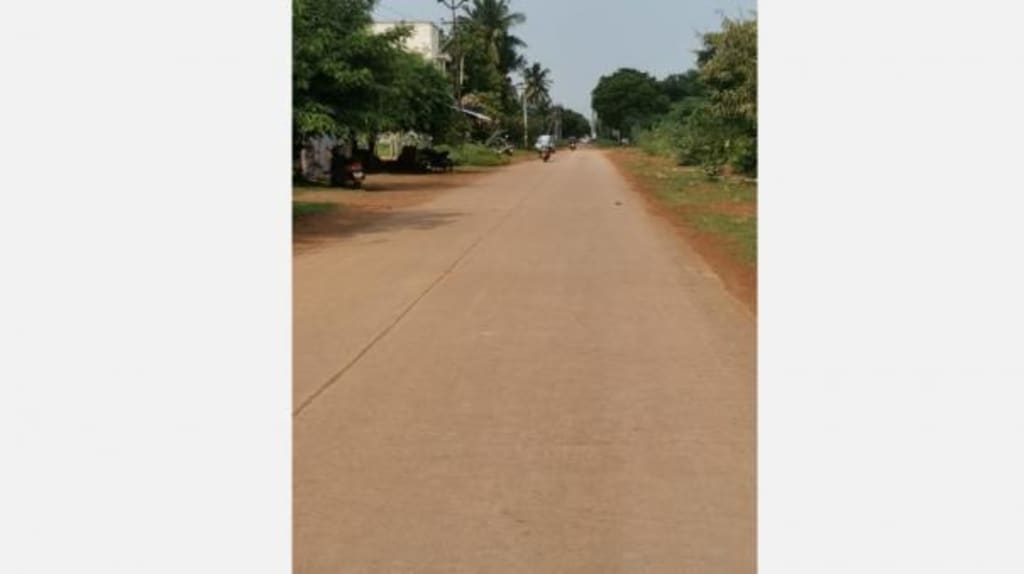
Karaikudi is a small town in the state of Tamil Nadu, India. Known for its rich cultural heritage and historic significance, it is home to a variety of unique and fascinating landmarks. Among them is a 74-year-old road that has stood the test of time, and is a testament to the skill and craftsmanship of its builders.
The road, originally known as Rajaji Salai, was built in 1949 during the British Raj period. It was later renamed Gandhi Salai in honor of Mahatma Gandhi, a significant figure in Indian history. The road spans over two kilometers and links the town's main market with the famous Chettinad Palace, which is a popular tourist destination.
The road's design is unique and striking, made of red bricks laid out in a distinctive pattern. The road's unique construction technique and the quality of its materials have allowed it to endure for 74 years, even as other roads in the area have been replaced or resurfaced.
The road has witnessed many events over the years, from Independence Day celebrations to festivals, and is a popular spot for tourists and locals alike. Its old trees offer shade to pedestrians and add to the road's charm, while the bricks offer a unique and memorable experience for anyone who walks on them.
The road has played a significant role in the development of Karaikudi, as it has been an essential artery for commerce and travel. It was an important road during the British colonial period, connecting towns and villages in the area to larger cities and ports. Today, it continues to serve as an important link between Karaikudi's various districts and neighborhoods.
The road's story is one of resilience and endurance. Over the years, it has seen a lot of changes in the town around it. New buildings have sprung up, and the population has grown. However, the road has remained unchanged, a testament to the skill of the workers who built it and the care of the locals who have maintained it.
The road's history is also deeply intertwined with that of the Chettinad region, which is renowned for its unique cuisine, architecture, and culture. The Chettiars, a wealthy merchant community, built many of the grand mansions and temples in the area, which have become popular tourist attractions.
In the past, the Chettiars used the road to transport goods and materials between their estates and other parts of the region. The road played an essential role in their prosperity, and they took great care to maintain it. Today, the Chettinad region is still known for its thriving businesses, including the manufacture of traditional textiles, handicrafts, and spices.
As the years go by, the road continues to draw visitors from around the world, who come to see its unique beauty and learn about its history. Many who visit Karaikudi walk along the road, admiring its old trees and unique design. Some even take pictures or videos to remember their visit.
The road's story is one of perseverance and pride, a symbol of Karaikudi's rich cultural heritage and the hard work and dedication of its people. As long as the road continues to stand, it will be a reminder of the town's past and a beacon of hope for its future.
Construction of the road:-
The construction of the 74-year-old Karaikudi road was carried out during the British Raj period in 1949. The road was originally known as Rajaji Salai and was later renamed Gandhi Salai in honor of Mahatma Gandhi. It is a two-kilometer long road that links the town's main market with the Chettinad Palace, which is a popular tourist destination.
The construction sequence of the Karaikudi road is a unique and impressive feat of engineering. The road was constructed using red bricks that were carefully laid out in a distinctive pattern. The bricks were first arranged in rows and then placed on a sand bed that was compacted to create a firm base for the road.
The next step in the construction sequence involved the use of cement to create a solid foundation for the road. A mixture of cement, sand, and water was poured over the bricks to create a smooth surface. Once the cement had dried, the road was finished with a layer of tar to provide additional strength and durability.
The use of red bricks is a significant aspect of the construction of the Karaikudi road. These bricks were locally sourced and were known for their high quality and durability. The red color of the bricks adds to the road's unique and distinctive appearance, which has become an important part of the town's cultural heritage.
In addition to the red bricks, the road was also constructed using other locally sourced materials. The sand used in the construction was taken from nearby riverbeds and was carefully selected for its high quality and strength. The cement used to create the road's foundation was also locally sourced and was of the highest quality.
The use of local materials in the construction of the Karaikudi road is an important aspect of its durability and longevity. These materials were carefully selected for their strength and durability, ensuring that the road would withstand the test of time. Additionally, the use of local materials helped to support the local economy and created jobs for the people in the area.
Overall, the construction sequence and use of materials in the Karaikudi road are a testament to the skill and dedication of the workers who built it. Their attention to detail and commitment to using the highest quality materials have allowed the road to endure for 74 years, even as other roads in the area have been replaced or resurfaced. Today, the road stands as a symbol of Karaikudi's rich cultural heritage and the hard work and dedication of its people.
About the Creator
These Billionaires Bet Big On GreenLand—After Trump Took Interest
Topline Just months after President Donald Trump first expressed interest in the United States possibly gaining control over Greenland, some of the richest people in the world—including Jeff Bezos, Bill Gates and Michael Bloomberg—began making strategic investments in the mineral-rich island.
By Dena Falken Esqa day ago in 01




Comments
There are no comments for this story
Be the first to respond and start the conversation.