
Japan Breakfast Cereal Market: Size, Share, Trends, and Industry Outlook
How Health Awareness, Busy Lifestyles, and Product Innovation Are Shaping Japan Breakfast Cereal Industry

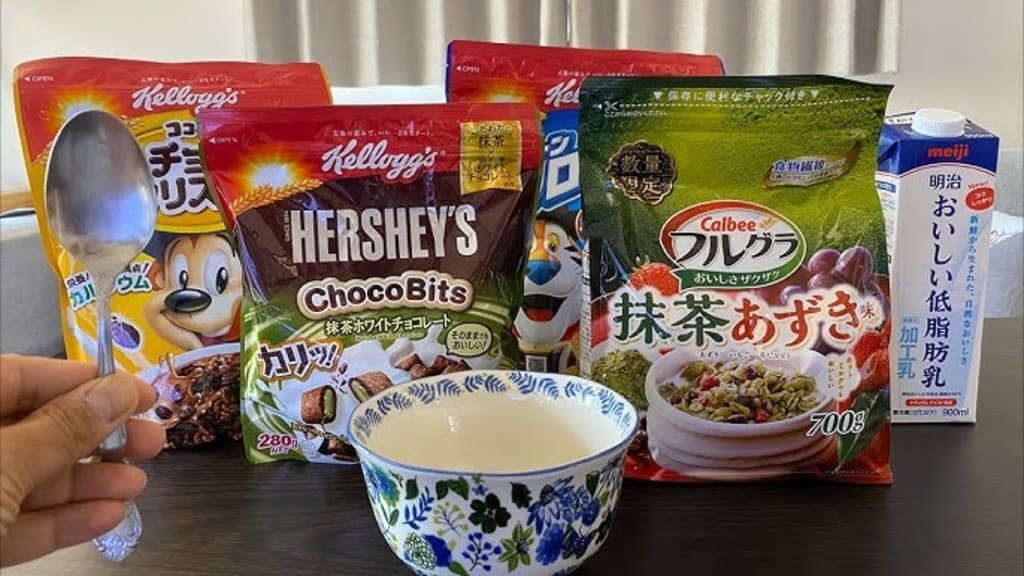
Market Overview
Breakfast cereal is a convenient and widely consumed food product made from processed grains, often fortified with vitamins and minerals to support balanced nutrition. These products are available in various forms, including ready-to-eat cereals, granola, muesli, and hot cereals. They are typically consumed with milk or yogurt and are popular for their convenience, long shelf life, and variety of flavors and textures.
In Japan, breakfast cereal consumption has grown gradually as lifestyles become more fast-paced and urbanized. Traditional breakfast patterns have historically included rice, fish, and soup, but changing work schedules and smaller households have increased interest in quick and easy meal options. Breakfast cereals provide a practical solution for consumers seeking convenient, time-saving alternatives that still offer nutritional value.
The Japan breakfast cereal market reached a value of USD 6,671.0 million in 2025. Looking ahead, the market is projected to grow steadily and reach approximately USD 9,014.0 million by 2034, reflecting a compound annual growth rate of 3.40% during 2026–2034. This growth is supported by rising health awareness, expanding product varieties, and increasing demand for convenient breakfast solutions.
Role of Innovation in Market Development
- Nutritional Enhancements and Functional Ingredients
Manufacturers are focusing on adding nutritional value to breakfast cereals by incorporating whole grains, fiber, vitamins, and minerals. Functional ingredients such as nuts, seeds, and dried fruits are also being introduced to appeal to health-conscious consumers. These innovations help position cereal as a balanced and nutritious meal option.
- Product Variety and Flavor Innovation
The introduction of new flavors, textures, and cereal blends has expanded consumer choices. Companies are developing products tailored to different age groups and dietary preferences, including low-sugar, high-protein, and gluten-free options. Seasonal flavors and regionally inspired ingredients are also being introduced to maintain consumer interest.
- Convenient and Portion-Controlled Packaging
Modern cereal packaging emphasizes convenience and portion control. Single-serve packs, resealable pouches, and compact packaging formats are gaining popularity, particularly among urban consumers and smaller households. These packaging solutions help maintain freshness while supporting on-the-go consumption.
Japan Breakfast Cereal Industry Trends and Drivers
- Growing Health Awareness
Japanese consumers are becoming increasingly aware of the importance of balanced nutrition. Breakfast cereals that offer whole grains, reduced sugar, and added nutrients are gaining attention among health-conscious individuals. This shift in consumer preferences is encouraging manufacturers to develop products with improved nutritional profiles.
Busy Urban Lifestyles
Urbanization and demanding work schedules are influencing eating habits across Japan. Many consumers are seeking convenient breakfast options that require minimal preparation. Ready-to-eat cereals provide a quick solution for individuals and families with limited time in the morning.
Expansion of Product Availability
The growing availability of breakfast cereals across supermarkets, convenience stores, and online platforms has made these products more accessible. Wider distribution networks and increased shelf space in retail stores are helping introduce cereal to new consumer segments.
Japan Breakfast Cereal Market Segmentation
By Product Type
- Ready-to-eat cereals
- Granola and muesli
- Hot cereals
- Others
By Ingredient Type
- Wheat
- Rice
- Corn
- Oats
- Barley
- Others
By Distribution Channel
- Supermarkets and hypermarkets
- Convenience stores
- Specialty stores
- Online platforms
- Others
By Region
- Kanto Region
- Kansai / Kinki Region
- Chubu Region
- Kyushu–Okinawa Region
- Tohoku Region
- Chugoku Region
- Hokkaido Region
- Shikoku Region
This segmentation highlights the range of cereal products, ingredients, and distribution channels shaping consumption patterns across different regions of Japan.
Competitive Landscape
The Japan breakfast cereal market includes domestic food manufacturers, international cereal brands, and specialty health-food producers. Competition is influenced by product quality, nutritional value, brand reputation, and innovation in flavors and packaging.
Companies that focus on health-oriented products, convenient packaging, and diverse flavor options are strengthening their positions in the market. Strong retail partnerships and effective distribution networks also play a key role in expanding market presence.
Market Outlook
The Japan breakfast cereal market is expected to experience steady growth as consumer lifestyles continue to evolve. Increasing demand for convenient, nutritious, and ready-to-eat breakfast options will remain a key driver of market expansion.
Ongoing product innovation, improved nutritional formulations, and expanded distribution channels are likely to support long-term growth. As more consumers adopt modern breakfast habits, cereal products are expected to maintain a growing presence in Japanese households.
About IMARC Group
IMARC Group is a leading market research and consulting firm providing strategy development, industry analysis, feasibility studies, and data-driven insights across global markets. The firm supports businesses, investors, and governments in making informed decisions through reliable and actionable research.
About the Creator
Yoshio
Market Research Analyst with 5+ years of experience in consumer insights and market segmentation. Skilled in data analysis and qualitative research.
How Digital Platforms Are Transforming Pickup and Delivery Services
Introduction Pickup and delivery services have evolved rapidly over the last decade, driven largely by advances in digital platforms. What once depended on phone calls, manual coordination, and limited tracking has now transformed into a seamless, app-driven experience. From local couriers to large-scale logistics providers, digital platforms are redefining how goods move from one place to another. This transformation is not just about convenience; it reflects deeper changes in technology, operations, and customer expectations.
By Nayel Basim Al Shehhi7 days ago in 01




Comments
There are no comments for this story
Be the first to respond and start the conversation.