
IoT and AI Revolutionizing Restaurant Management Solutions
Restaurant Management Solutions

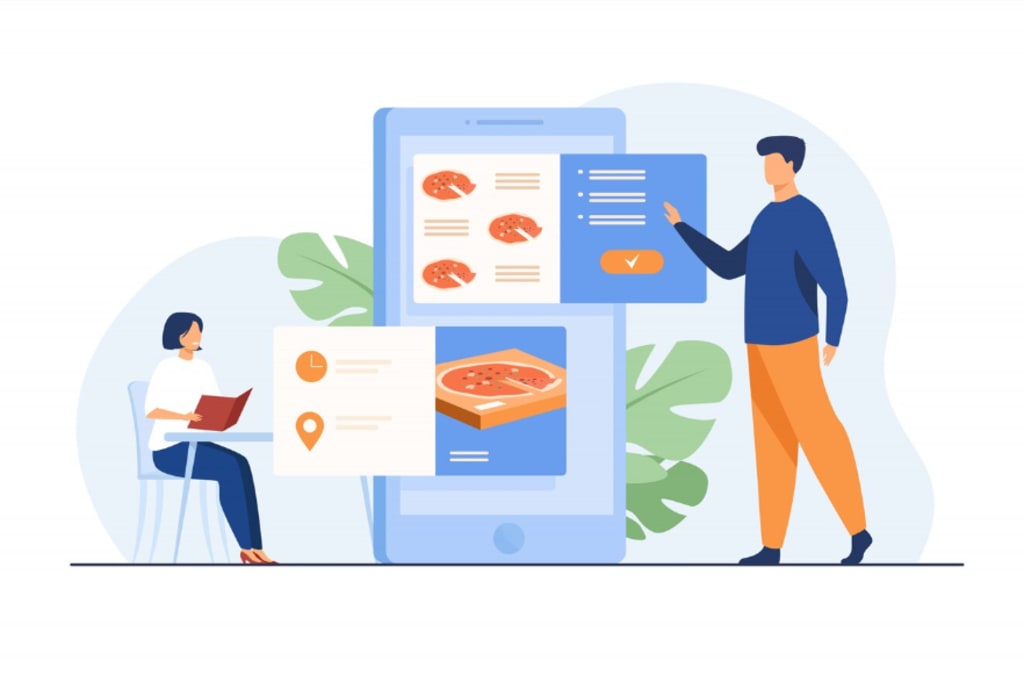
Since the beginning, artificial intelligence has been hailed as the future of technology.
Although it is the most groundbreaking technology since the advent of the internet, its initial applications were often not up to expectations. We all recall the beginnings of AI. Our feeds were brimming with funny memes of natural language processing mistakes and alarming editorials surrounding the widespread displacement of jobs.
But the story is shifting. Businesses are no longer debating whether they should embrace AI but rather how best to utilise it to make it work for them.
Restaurants that offer quick service (QSRs) can be uniquely placed to take advantage of AI's numerous capabilities. AI can identify customer preferences, improve kitchen operations and optimise supply chains far better than human beings. AI's precision and flexibility make it a perfect partner in a constantly changing industry.
While these developments became normal for restaurant management software solutions in 2024, the pace of change is predicted to increase in 2025.
The Changing Landscape of Restaurant Technology
The restaurant business has always been about adapting. From wood-fired stoves to industrial kitchen equipment, from hand-written menus to digital ordering systems, restaurants have always evolved. However, artificial intelligence is completely different and it has caused a major change in how restaurants function, produce value and communicate with their customers.
A few years back, the concept of value for a restaurant was simple. What number of tables did you occupy? What was your revenue per month? What was the quality of your food? Nowadays, the question is a lot more complicated. Modern buyers and investors aren't just analysing your performance at present - they're also evaluating your possibilities for smart adaptation technology integration and data-driven decision-making.
How IoT is Impacting Restaurant Management?
The Internet of Things (IoT) and Artificial Intelligence (AI) are integral and unnoticed elements of our present environment and are rapidly changing the landscape of consumer behavior and other industries. It is estimated that millions of IoT devices are installed in various designs and shapes that provide information and actions to solve various business challenges for their owners. In reality, no industry is unaffected by these innovations. The expectation is to have over 75 billion IoT devices by 2025.
We are also becoming increasingly familiar with smart cities, intelligent buildings, vehicle-to-everything (V2X) cars, etc. These are excellent instances of IoT and AI being used to anticipate issues before they arise and identify opportunities and obstacles in real-time to ensure optimal resource utilization and positive outcomes.
Food Waste and Inventory Management
The problem of food scraps is urgent for restaurants across the globe. Within the U.K. alone, restaurants consume a staggering $57 billion a year on uncooked food items, which leads to higher costs and environmental harm. One major cause of food waste is the failure to efficiently monitor and manage perishable products with a short shelf life, including freshly caught seafood, fresh fruits and vegetables. These items are purchased frequently and must be consumed quickly to preserve the quality of the food. However, inefficiencies in tracking inventory can cause large quantities of food waste.
IoT into mobile app development for restaurants provides a revolutionary solution to this issue by allowing real-time tracking and surveillance of foodstuffs through all stages of the food supply chain. Connected sensors can monitor vital factors like humidity and temperature in storage spaces, making sure that the food is properly stored. This reduces the possibility of contamination and spoilage, which allows restaurants to serve high-quality, safe meals while also reducing waste.
Consider the case of refrigerators and freezers with IoT connectivity that come with temperature sensors. They can be programmed to automatically alter their cooling settings and also send alerts whenever temperatures rise above acceptable limits, thereby preventing spoilage before it occurs. Smart kitchen appliances can monitor expiration dates for food items along with inventory amounts, which allows establishments to control their inventory and prevent over-purchasing, thus reducing the amount of waste.
Automation and Equipment Maintenance
Automation is yet another area where IoT transforms the restaurant industry. In the past, restaurant employees were in charge of keeping track of kitchen equipment and maintenance, which often disrupted workflow and increased operational expenses. Through the integration of IoT devices into the equipment, managers are able to automatically examine the efficiency of equipment, energy consumption and possible issues without the constant intervention of humans.
For instance, ovens, deep fryers, fridges and HVAC systems have IoT sensors that track critical information points like temperature, energy consumption and maintenance needs. These sensors can automatically send alerts to the manager when an appliance needs to be repaired or replaced. This preventative maintenance helps avoid costly breakdowns, increases the lifespan of the equipment and boosts the effectiveness of operation.
McDonald's, one of the top fast-food chains, has used IoT to monitor and automate kitchen equipment, including fryers and coffee machines. These connected appliances can reduce human errors, provide consistency across all locations and reduce energy consumption. This kind of automation gives restaurateurs peace of mind, as they can be confident that their equipment will run effectively even in peak times.
Energy Savings and Cost Efficiency
Energy efficiency is essential for restaurateurs who want to lower expenses and operate sustainably. IoT technology plays an essential part in maximising energy consumption by monitoring the efficiency of appliances in restaurants and providing insight into areas where energy can be conserved.
Energy Management Systems (EMS) powered by IoT sensors can monitor the energy use of appliances and offer suggestions to increase their efficiency. For instance, an IoT-powered Pizza Hut franchisee leveraged IoT to monitor its energy consumption and saw an 18% decrease in energy bills per month, which translates into approximately $2 million in annual savings.
Smart appliances, such as fryers with IoT sensors, may help reduce energy usage by keeping exact temperatures and letting employees know when the food is cooked. This helps reduce the energy wasted due to overcooking or heating food, which results in savings. The savings allow restaurant owners to invest in other areas of business, including making their customers more comfortable and expanding the menu.
Enhancing the Customer Experience
The most intriguing IoT applications for restaurant app development have the potential to improve the customer experience. By collecting and analysing information about customers, restaurants can customise their menus to suit specific preferences, allergies and dietary restrictions, resulting in an extremely personal dining experience.
IoT-powered devices can help servers and chefs track the preferences of returning customers, allowing them to serve safe and personalised food items. This kind of personalisation increases customer satisfaction, creates lasting loyalty and promotes returning customers. For example, restaurants could utilise IoT-powered Customer Relationship Management (CRM) solutions to track previous orders and suggest meals or offers in response to their preferences.
Additionally, IoT devices such as tablets with intelligent sensors placed on tables could offer diners interactive menus with recommended dishes based on previous visits, specific dietary requirements or the timing of the day. This creates a more immersive and seamless eating experience that strengthens the relationship between customers and restaurants.
The Evolution of AI in Restaurant Management
In the restaurant business, we are experiencing a technological revolution, with Artificial Intelligence (AI) emerging as a revolutionary force. An upcoming eBook outlines all the major aspects of AI use in the restaurant industry, from customer service to back-of-house operations. The transformation isn't only about automation but also about creating smarter, more efficient and more customised dining experiences.
Advanced Robotics for Food Preparation
The future kitchens may be reminiscent of the ones Disney had predicted in the mid-1950s, with advanced robotics at the forefront of quick-service eateries. In 2024, we saw semi-autonomous kitchen assistants like Flippy from Miso Robotics reshape food preparation.
These innovations will allow restaurants to create high-quality meals each time while showing how effective technology is currently working.
Furthermore, these types of robotic systems can reduce food waste through precise portioning and help employees perform tedious, time-consuming tasks such as grilling, cooking or building. This means that staff are able to focus on areas where they require a human touch, such as interactions with customers.
Personalised Customer Experiences
Finally, AI is also set to keep revolutionising how restaurants offering quick service provide customised interactions with customers.
Loyalty programs, such as Starbucks Rewards programs and Starbucks Rewards AI, analyse purchase habits and shopping patterns to provide specific promotions. For instance, a cold brew drinker might be offered an afternoon offer with a free drink or a customer who is not in use could be rewarded with a bonus to encourage them to return.
These highly individualised incentives improve sales and create the highest levels of customer loyalty.
Face recognition technology is expected to transform customer service. Platforms such as FaceMe SDK offer personalised greetings with VIP treatment and seamless payment options through kiosks or integration of payment systems.
Of course, AI chatbots and virtual assistants have already created waves in the fast-service industry, such as in the case of Domino's Pizza. Their chatbot, appropriately called Dom, provides recommendations based on your preferences, tracks orders and simplifies the buying process, making the entire purchase process quick and easy.
Smart Order Management Systems
The order management system is one of the clearest AI-powered tools that will likely expand by 2025.
Text and voice ordering, such as the one offered by VoicePlug AI, can integrate with omnichannel platforms, allowing customers to make orders via kiosks, mobile apps and virtual assistants. These systems are simple and simple to use. They are designed to remove friction from order processing, thus reducing the amount of time required to complete an order by 50-75%.
With clearer and more user-friendly technology, operators and owners can most benefit from predictive analytics. Customers are looking for deals and personalised and AI-driven insight can assist restaurants in providing tailored menus to customers willing to share their information.
Automation is another advantage to be aware of in restaurants where operational accuracy has been a problem. In simple terms, robots are less likely to make mistakes. By reducing human error during the process of processing orders and fulfilling them, the restaurant can operate more efficiently and offer more efficient customer service.
Supply Chain Optimisation
In the restaurant industry, artificial intelligence continues to revolutionise the supply chain management process. Through real-time inventory monitoring and a forecast system for restocking, restaurants can keep their stock levels at optimum levels and avoid shortages and overstocking.
By analysing data from the supply chain, AI can predict needs and propose solutions that reduce food waste while maintaining the ideal amount of food available.
Leading examples, like McDonald's incorporation into Dynamic Yield Technology, illustrate the potential of AI. McDonald's plans to use dynamic AI technology to alter menu options based on stock levels, customer preferences and environmental conditions, linking inventory management to platforms that interact with customers.
Although this may seem like an enormous leap forward for McDonald's regarding profitability maximisation and reducing waste, it's also an opportunity for fast-service restaurants of all sizes and shapes to think about how they can reduce shortages by promoting products based on the availability of supplies.
The Key Takeaway
With technology continuing to advance, restaurant app developers that adopt these developments will be able to stand out in a competitive business. The latest innovations will shape the future of dining in everything from AI and IoT to sustainable dining and sustainability. With this new technology, restaurant owners can streamline their operations, improve the customer experience and accelerate expansion in 2025 and possibly beyond.
About the Creator
Bestech
Charanjiv Singh Bal is a distinguished professional whose career reflects an inspiring blend of scientific expertise, entrepreneurial spirit and strategic leadership.
https://tinyurl.com/4n4cz9sw
How to Choose the Best Mobile App Development Company in Canada 2026
Choosing the right app development partner in 2026 isn’t just a procurement decision—it’s a strategic move that can define whether your digital product scales or stalls. The Canadian tech ecosystem has matured rapidly, with agencies offering everything from rapid MVP builds to enterprise-grade platforms powered by AI and cloud-native architectures.
By alan michael5 days ago in 01



Comments
There are no comments for this story
Be the first to respond and start the conversation.