
Instant Sciatica Pain Relief
Two Effective Exercises

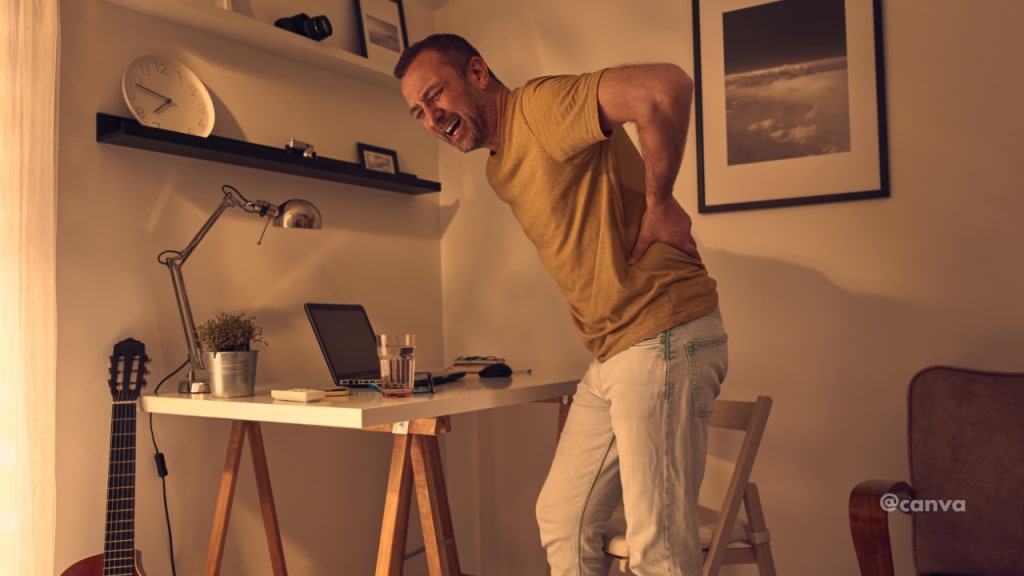
Sciatica can be a debilitating condition, causing sharp, shooting pains down the leg. If you're suffering from sciatica due to a bulging or herniated disc in your lower back, there's hope. Dr. Rowe from SpineCare in St. Joseph, Michigan, shares two simple yet effective exercises that can provide instant relief, easily performed in the comfort of your own home.
Medical Disclaimer
The information provided in this article is for educational purposes only and is not intended to be a substitute for professional medical advice, diagnosis, or treatment. Always seek the advice of your physician or other qualified health provider with any questions you may have regarding a medical condition. Never disregard professional medical advice or delay in seeking it because of something you have read in this article.
The exercises described in this post may not be suitable for everyone. If you have a history of back problems, spinal injuries, or any other medical conditions, consult your healthcare provider before attempting these exercises. If you experience increased pain, discomfort, or any new symptoms while performing these exercises, stop immediately and consult your doctor.
This article does not establish a doctor-patient relationship. The authors and publishers of this content are not responsible for any adverse effects or consequences resulting from the use of the information provided. By reading and using this information, you agree to this disclaimer and assume all risk associated with the application of the advice given.
The Wall Lean: Your Go-To Move for Sciatica Relief
The wall lean is a convenient and effective exercise that requires nothing more than a wall. To perform it correctly, first determine which side to place closest to the wall - it should be your non-painful side. Stand with your feet together, about a foot to a foot and a half away from the wall. Lean your upper body against the wall, ensuring your shoulder and elbow are flush against it. Place your hand on the opposite hip (the painful side).
Now comes the crucial part: slowly press your hips towards the wall. You should feel a deep stretch forming in your lower back. This movement quickly takes pressure off a bulging or herniated disc, essentially "unpinching" the nerve that might be causing your sciatica.
As you perform this exercise, pay attention to what Dr. Rowe calls "centralization of pain." This means you should notice less intense pain that gradually moves up from your leg towards your lower back. If you experience the opposite - more sharp, shooting pain down your leg - stop immediately and try a different approach.
Hold the stretch for 20-30 seconds, focusing on slow, controlled breathing to release tension. Repeat this 3-5 times, gradually increasing the stretch with each repetition. If you need to make it more comfortable, you can place a towel or pillow between your shoulder and the wall. To deepen the stretch, simply position your feet further from the wall.
Standing Back Extension: The Perfect Complement
While the wall lean is highly effective on its own, the standing back extension exercise can provide additional relief. Start by standing with your feet hip-width apart, placing your body weight on your heels. Cup your hands around your lower back at the belt line, pressing your thumbs into the muscles on either side of your spine.
The movement is straightforward: lean backward with your shoulders while maintaining pressure with your thumbs. This puts your lower back into extension, which can quickly alleviate pressure on a pinched nerve. Hold the stretch for 5 seconds, then relax.
With each repetition, move your thumbs up slightly to target different areas of your lower back. You're looking for that sweet spot that offers the most relief. Once you find it, hold the position for 20-30 seconds, focusing on slow, controlled breathing. Repeat this 3-5 times for maximum benefit.
Incorporating These Exercises Into Your Routine
Both the wall lean and standing back extension can be performed throughout the day, even hourly if they provide relief. As your condition improves, you can gradually reduce the frequency. The key is to listen to your body and adjust accordingly.
Remember, managing sciatica is about consistency and patience. By incorporating these exercises into your daily routine, you may find significant improvement in your symptoms. However, it's always wise to consult with a healthcare professional before starting any new exercise regimen, especially if you have chronic or severe pain.
With regular practice of these exercises, you can take control of your sciatica pain and improve your quality of life. Don't let sciatica hold you back - try these simple yet effective moves and experience the relief for yourself.
About the Creator
SIMOUH ABDELHAMID
Pharmacy assistant with a passion for reviewing medical products. I provide honest, easy-to-understand insights to help you make informed health decisions. Join me as I explore the latest in healthcare and wellness!
Keep reading
More stories from SIMOUH ABDELHAMID and writers in 01 and other communities.
High Protein Diet and Gas: Finding Comfort with Your Diet
High-protein diets are really popular for getting fit and healthy—but there's one downside that people don't talk about as much. Yup, we're talking about gas. It might be a bit awkward, but it’s important to deal with. Let’s look at why this happens and how you can feel better.
By SIMOUH ABDELHAMIDabout a year ago in 01
Inside Nathan Allen Pirtle’s Approach to Culture-Led Brand Growth
Brand growth today isn’t limited by reach or resources. It’s limited by relevance. In markets where attention is fragmented and trust is increasingly hard to earn, the brands that stand out aren’t necessarily the loudest—they’re the ones that understand the culture they operate within.
By Jeffrey D. Gross MD7 days ago in 01



Comments
There are no comments for this story
Be the first to respond and start the conversation.