
High Protein Diet and Gas: Finding Comfort with Your Diet
Tips for Reducing Gas and Staying Comfortable

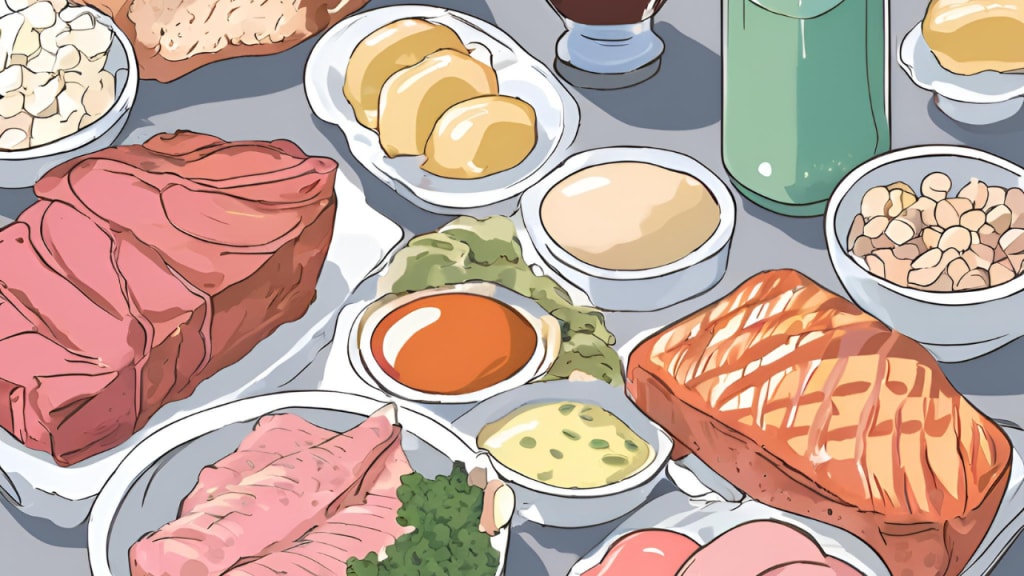
High-protein diets are really popular for getting fit and healthy—but there's one downside that people don't talk about as much. Yup, we're talking about gas. It might be a bit awkward, but it’s important to deal with. Let’s look at why this happens and how you can feel better.
Why High Protein Diets Can Cause Gas
When you think about eating lots of protein, you probably picture building muscle, feeling full, and even having better skin. But there’s also something less great that can happen—gas. Let’s talk about why that happens.
When you start eating more protein, your digestive system might take some time to get used to it. Proteins, especially from meat, beans, and dairy, are harder for your body to break down compared to carbs or fats. The problem happens when these proteins reach your colon without being digested. Then, your gut bacteria break down the leftover protein, which creates gas.
So, do high-protein diets cause gas? The short answer: yes, but you can avoid it if you manage your diet well. Let’s get into the details.

What Causes Gas on a High Protein Diet?
1. Types of Protein Matter
Not all proteins are the same when it comes to digestion. Whey protein can cause digestive problems, especially if you’re lactose intolerant. Plant-based proteins, like beans and lentils, have compounds called oligosaccharides that are hard to digest and can cause more gas.
Another cause is sulfur, which is found in foods like eggs, broccoli, and some meats. Sulfur can lead to gas that has a stronger smell.
Insert image of ‘Different protein sources from animals and plants’ here
2. Digestive Health and Gut Bacteria
Your gut is home to trillions of bacteria, called your gut microbiome, and they help with digestion. When you eat a lot of protein, these bacteria break down the leftover protein, which can cause bloating and gas.
Eating lots of protein and not enough fiber can change the balance of your gut bacteria, making it easier for gas to form (1).
How to Get Rid of Gas on a High Protein Diet
Don’t worry—gas doesn’t have to be a part of your high-protein journey. There are ways to keep your protein intake high without feeling uncomfortable.
1. Use Digestive Boosters
Your digestive system might need a bit of extra help when eating lots of protein. Digestive enzymes like papain and bromelain can help break down protein so your gut doesn’t have to work as hard. Probiotics can also help keep your gut healthy and reduce gas (2).
2. Eat Enough Fiber—But Not Too Much
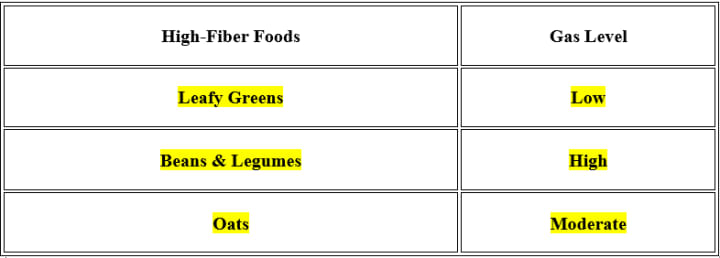
Fiber is important for digestion, and it’s sometimes missing in high-protein diets. Eating enough fiber can help keep things moving smoothly and reduce gas. But too much fiber can also cause gas, especially if your body isn’t used to it. Start with small amounts of low-fiber foods like oats or leafy greens.

3. Stay Hydrated
This one is simple but very effective. Drinking enough water helps your body digest protein better and keeps things moving through your digestive system. It also helps prevent constipation, which can make gas worse.
How to Get Rid of Protein Bloat?
Protein bloat can feel like you’re carrying around a balloon that won’t pop. It happens because your body isn’t digesting protein properly.
Here’s how to deal with protein bloat:
Chew Your Food Well: It might sound basic, but digestion starts in your mouth. Chewing well helps enzymes in your saliva start breaking down the protein.
Change Protein Sources: If a certain protein is causing bloating, try a different type. For example, if whey protein gives you trouble, try pea protein or collagen instead.
Control Portions: Sometimes, it’s not what you eat but how much. Try eating smaller portions of protein to see if it helps with the bloat.
How Long Does Protein Bloat Last?
How long will the bloat last? Usually, protein bloat can last from a few hours to a whole day. It depends on how well your body digests the protein. Drinking enough water, staying active, and keeping your gut healthy can help reduce the bloat.
If the bloat lasts longer than usual, you might have a food sensitivity. For example, lactose intolerance could mean that even a simple whey protein shake might make you feel bloated.
Conclusion: Balancing Protein and Comfort
High-protein diets are popular for good reasons—building muscle, feeling fuller, and having more energy. But gas doesn’t have to be part of the deal. By choosing the right proteins, using digestive aids, and keeping a balanced diet, you can get all the benefits of protein without the discomfort.
FAQs About High Protein Diets and Gas
Do High Protein Diets Cause Gas?
Yes, high-protein diets can cause gas, especially if the protein isn't being digested well. Things like the type of protein, your body’s enzymes, and your gut health can affect how much gas you have.
How to Get Rid of Gas on a High Protein Diet?
The key is to improve digestion—try using digestive enzymes, drinking enough water, and eating smaller meals throughout the day so your body can adjust to the extra protein.
How to Get Rid of Protein Bloat?
Chewing your food well, switching protein types, and eating smaller portions can all help with protein bloat.
How Long Does Protein Bloat Last?
It can last a few hours to a day. Drinking water, staying active, and listening to your body can help make it go away faster.

About the Creator
SIMOUH ABDELHAMID
Pharmacy assistant with a passion for reviewing medical products. I provide honest, easy-to-understand insights to help you make informed health decisions. Join me as I explore the latest in healthcare and wellness!
Keep reading
More stories from SIMOUH ABDELHAMID and writers in 01 and other communities.
Essential Nutrients that are KILLING Your Sciatica Nerve
Sciatica is a common and often debilitating condition that affects millions of people worldwide. While conventional treatments often focus on medication and surgery, there are natural approaches that can provide significant relief.
By SIMOUH ABDELHAMIDabout a year ago in 01
Why Do You Need to Back up Documents in SharePoint?
SharePoint is a Microsoft product that promotes collaboration among organizations by allowing them to store, organize, manage, and share documents and other content. You can create intranet as well as extranet websites on SharePoint for content sharing while having thorough control over data confidentiality and security. Just like other data storage platforms, it is also prone to data loss and corruption issues. This creates the need to backup SharePoint with all of its data, including site collection, sites, subsites, lists, libraries, folders, versions, metadata, etc.
By Xanthe Clayabout 8 hours ago in 01




Comments
There are no comments for this story
Be the first to respond and start the conversation.