
I Ran 200 Miles in the Brooks Ghost 16 And What Happened Shocked Me
After 200+ Miles, Here's the Honest Truth About This "Boring" Shoe

Look, I need to be real with you from the jump – I almost didn't buy the Brooks Ghost 16. I mean, it's the Ghost. The Ghost. The shoe that never changes. The shoe that's been basically the same for like a decade. The safe, predictable, "my podiatrist told me to buy these" shoe.
But then I kept hearing things. "The new foam is actually good." "It's softer this year." "It's not as stiff as it used to be."
So against my better judgment (and my usual preference for bouncy, squishy max cushion shoes), I grabbed a pair of the Ghost 16 when it dropped. That was about 5 months ago. I've put roughly 200 miles on them now, rotating them with my other daily trainers, and you know what?
I still think the Ghost is kind of boring. But I also think it's actually pretty damn good at what it does. And this version – the Ghost 16 – might be the best Ghost yet, even if it's not going to blow anyone's mind.
The Elephant in the Room: That 12mm Drop
Before we talk about anything else, we need to address this: the Brooks Ghost 16 has a 12mm heel drop. That's the tallest drop you'll find in basically any mainstream running shoe in 2024.
Most modern daily trainers are rocking 8mm, maybe 10mm. The trend has been toward lower drops for years now. But Brooks? Nope. Still stubbornly holding onto that 12mm drop like it's 2015.
Now, I know some people love high-drop shoes. If you're a heavy heel striker, that 12mm drop can feel really natural. It puts you in a slightly forward-leaning position that some runners swear by.
But for me personally? I've been hoping Brooks would drop this down to 10mm or 8mm for years. It just feels unnecessarily tall. When I first started running in the Ghost 16, I could feel that aggressive drop – like the shoe was tipping me forward.
Here's the interesting thing though: after about 20-30 miles, I stopped noticing it as much. The DNA Loft V3 foam compresses just enough when your heel lands that the drop doesn't feel quite as extreme during the run. It's still there, but it's less aggressive than you'd expect from the specs.
Still, if Brooks ever drops the Ghost down to 10mm (like they just did with the Ghost 17), I think it would be a massive improvement. But I understand why they haven't – the Ghost has a huge, loyal customer base who probably don't want anything to change.
The DNA Loft V3 Foam: Actually Good This Time
Okay, so this is the big change for the Ghost 16: they upgraded to DNA Loft V3 foam. This is the same nitrogen-infused foam that's in the Glycerin 21, and it's a legitimate upgrade over the previous DNA Loft versions.
Previous Ghost foams were... fine. Protective, durable, but kind of dead underfoot. Not much energy return, not particularly soft, just steady and reliable in the most boring way possible.
The DNA Loft V3 is noticeably better. It's lighter, it's got more resilience, and there's actually some softness to it. When you press down on the foam with your hand, you can feel it compress and bounce back in a way that older DNA Loft foams just didn't.
On the run, this translates to a shoe that feels less stiff and more... dare I say... runnable? The Ghost 16 doesn't fight you as much. It compresses smoothly, returns energy reasonably well, and just feels more modern than previous Ghosts.
But here's the thing about the DNA Loft V3 in the Ghost 16: I think it's optimized for a slower compression cycle. What I mean is, the foam seems to work best when you're landing with moderate force at moderate speeds.
For walking and standing: The Ghost 16 feels legitimately soft and comfortable. The foam compresses at just the right rate, and it feels plush underfoot. I've worn these for full days on my feet, and they're excellent.
For easy running (8:30-9:30 min/mile for me): The foam works pretty well. It's protective, it's comfortable, and it handles longer runs without feeling dead.
For faster running: This is where the foam feels firmer. When I try to pick up the pace and do some tempo work or strides, I'm hitting the foam harder and faster, and it doesn't have time to compress and return energy properly. It just feels firm and unresponsive.
So the DNA Loft V3 is good, but it has a sweet spot. If you're a slower runner or someone who walks a lot, this foam is going to feel great. If you're trying to do faster workouts, it's going to feel limiting. You can see the Brooks Ghost 16 here
The Outsole: So. Much. Rubber.
Holy hell, there is a LOT of rubber on this shoe. Like, trail shoe levels of rubber coverage.
The Brooks RoadTac outsole covers probably 70-80% of the bottom of the shoe, and where there is rubber, it's thick. We're talking multiple millimeters of dense rubber, especially on the outer heel where most heel strikers make contact.
Why does Brooks do this? Durability. This shoe is built to last 400+ miles easily. I'm at 200 miles right now, and the outsole looks almost new. There's some smoothing of the tread in high-wear areas, but no significant wear through.
If you're someone who destroys outsoles quickly, the Ghost 16 is going to last you way longer than most daily trainers. Some of my friends who are heavy heel strikers can burn through a pair of shoes in 250 miles. The Ghost 16 will easily give them 400+.
The downside? All that rubber adds weight. At 9.8 oz (277g), the Ghost 16 isn't heavy by max cushion standards, but it's definitely not light for the amount of foam you're getting. A lot of that weight is in the outsole.
The Fit: Classic Brooks Comfort
Brooks has always nailed the fit on the Ghost line, and the Ghost 16 is no exception.
I went true to size (10.5 for me), and after a short break-in period (10-15 miles where it felt slightly short), it fits perfectly.
Toe box: Roomy without being sloppy. My toes have space to spread, but they're not swimming around in there. It's that perfect "running shoe fit" that just works.
Midfoot: Snug lockdown. The lacing system does a good job of securing my foot without any pressure points.
Heel: This is where things get interesting. The heel cup is rigid. Like, seriously stiff. It extends pretty high up the back of your ankle, and it's covered with padding and soft upper material.
For most people, this heel cup is going to feel supportive and secure. For some people (especially those with sensitive Achilles tendons), it might dig in a bit. I've had a few runs where I could feel the heel counter pressing against my Achilles, but it's never been painful or caused any real issues.
The upper material is that typical Brooks engineered mesh – soft, stretchy, breathable. The tongue has just the right amount of padding. Everything feels comfortable and well-executed.
One thing I appreciate: Brooks didn't go overboard with padding. Some max cushion shoes feel like they're wrapped in pillows. The Ghost 16 has padding where you need it, but it's not excessive.
How It Actually Performs on Different Runs
Alright, enough about specs and materials. Let's talk about what the Ghost 16 is actually like to run in.
Easy Recovery Runs (My Main Use Case)
This is where the Ghost 16 really works for me. On days when my body is beat up from a hard workout or a long run, and I just need to get 4-6 easy miles in, the Ghost 16 is perfect.
That wide platform, chunky heel, and rigid heel cup create this stable, planted sensation that my tired legs appreciate. I'm not bouncing around on soft foam – I'm on a firm, supportive platform that keeps everything aligned.
The DNA Loft V3 foam provides enough cushioning that I'm not beating up my legs, but it's not so soft that I feel unstable. For recovery run paces (9:00-9:30 min/mile for me), the foam compression rate works perfectly.
I've noticed this shoe is particularly good when I'm fatigued and my form is getting sloppy. That stability and structure keep me from rolling around too much.
Long Runs (It's Okay, Not Great)
I've done a few long runs (13-16 miles) in the Ghost 16, and it's... adequate. Not amazing, not terrible, just adequate.
The durability and protection are there. The foam doesn't pack out over the course of a long run. But I do wish there was more forefoot cushioning. By mile 12-13, I'm feeling more impact than I'd like.
If you're comparing to something like the Ghost Max series, which has way more forefoot stack, the standard Ghost 16 feels a bit thin up front for really long efforts.
For long runs, I'd personally rather be in a more cushioned shoe. But if the Ghost 16 is what you've got, it'll get the job done.
Tempo/Faster Running (Not Its Job)
I've tried picking up the pace in the Ghost 16 – doing some mile repeats, throwing in tempo segments – and it's just not good for that.
The weight works against you. The foam feels too firm at faster paces. That high drop and rigid heel cup make quick transitions feel clunky. This is not a versatile "do everything" daily trainer.
If you need a shoe that can handle both easy days and tempo work, look elsewhere. The Ghost 16 is strictly for easy, steady-paced running.
Walking and Lifestyle Use (Where It Excels)
Here's where the Ghost 16 might actually be at its best: walking and all-day wear.
The foam feels softer at walking pace. The wide platform provides excellent stability. All that rubber gives you great traction and durability for walking on various surfaces.
I've worn these for airport travel, for standing around at events, for casual everyday wear, and they're honestly fantastic for those purposes. Maybe even better for walking than running.
If you're someone who does a lot of standing at work or you're looking for a comfortable walking shoe that looks like a running shoe, the Ghost 16 is an excellent choice.
Who Is This Shoe Actually For?
After 200 miles, I've figured out exactly who should buy the Ghost 16:
You'll Love This Shoe If:
- You're a bigger, heavier runner who needs durability and support
- You destroy outsoles quickly and need maximum rubber coverage
- You prefer firmer, more stable shoes over soft, bouncy ones
- You're a heel striker who likes high-drop shoes
- You need a shoe primarily for easy runs and recovery days
- You want something for both running AND walking/standing
- You have wide feet (the platform is generous)
- You're dealing with injuries and need something stable and supportive
Skip This Shoe If:
- You want a versatile trainer for all types of running
- You prefer soft, squishy, bouncy foam
- You like low-drop shoes (6-8mm)
- You need something light and nimble
- You want to use your daily trainer for tempo runs
- You're looking for maximum forefoot cushioning
- You prefer modern, exciting shoe technology
The Three Types of Ghost 16 Buyers
Through my research and talking to other runners, I've identified three types of people who buy the Ghost 16:
- Type 1: The Run-Walkers and Casual Users These folks use the Ghost 16 for a mix of running, walking, and everyday wear. The shoe's durability, comfort, and stability make it perfect for this. These people LOVE the Ghost 16.
- Type 2: The Traditional Brooks Fans Bigger runners, heel strikers, people who want a firm, stable, durable daily trainer. They've been buying Ghosts for years and the Ghost 16 is just the latest version of what they already know works. They're happy with it.
- Type 3: The Stability-Seeking Soft Shoe Lovers (That's Me) This is the new audience the Ghost 16 might appeal to with the DNA Loft V3 upgrade. People who normally run in super soft shoes (Hoka, Nike Invincible, etc.) but sometimes want something with a bit more structure and stability for recovery days.
I fall into this third category. I don't love the Ghost 16, but I appreciate what it does. On days when my ankles are tired and I need something supportive, the Ghost 16 delivers.
Alternatives and Competitors
the Ghost 16 is positioned as a mid-tier daily trainer. Here's how it compares to similar shoes:
- Puma Forever Run ($150, often on deep sale): More cushioned, softer ride, dual foam setup. If you can find it on sale for $40-80 (which happens frequently), it's a better value than the Ghost 16 in my opinion.
- Topo Atmos ($150): Similar firm-but-comfortable ride, wider toe box, even more cushioning. Great pairing with the Ghost 16 if you want something for longer runs.
- Saucony Ride 17 ($140): More versatile, lighter, better for faster paces. Less durable though.
- ASICS Gel-Nimbus 26 ($160): Softer, more cushioned, better for long runs. Less stable than the Ghost 16.
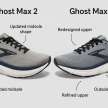
And of course, if you want a Brooks shoe but find the Ghost 16 too firm, definitely check out the Ghost Max instead. It's $150, but it's softer and has a more modern 6mm drop.
Final Verdict: Boring But Good
After 200 miles in the Ghost 16, here's my honest take: it's a well-executed, reliable, durable daily trainer that does exactly what it's designed to do without being particularly exciting.
The DNA Loft V3 foam is a real improvement over previous versions. The shoe is more runnable, softer, and more comfortable than older Ghosts. If you've tried the Ghost in the past and found it too stiff, the Ghost 16 is worth giving another shot.
But it's still fundamentally a Ghost. High drop, firm ride, tons of rubber, stability-focused. If those things didn't appeal to you before, the Ghost 16 probably won't change your mind.
For me, it's earned a spot in my rotation as my "beat up recovery day" shoe. When my legs are tired and I need something supportive and stable, I reach for the Ghost 16. For everything else, I grab other shoes
My rating: 7.5/10
It's not exciting. It's not innovative. But it's really good at being a stable, durable, comfortable daily trainer for easy-paced running and walking. And sometimes, that's exactly what you need.
If you know the Ghost 16 is the right tool for your specific job, you won't be disappointed. Just don't expect it to be something it's not.
Now, if you'll excuse me, I have a recovery run scheduled after yesterday's long effort, and I already know which shoes I'm grabbing…
About the Creator
Brooks Ghost Max
I'm just a running shoe geek with a serious addiction to foam. My current obsession? The Brooks Ghost Max. I spend my days analyzing stack heights and heel drops to help you decide if that $150 price tag is actually worth it.
Keep reading
More stories from Brooks Ghost Max and writers in 01 and other communities.
Brooks Ghost Max 3 vs Ghost Max 2 for Women
Okay ladies, we need to talk. Brooks just dropped the Ghost Max 3, and on paper, it looks exactly like the Ghost Max 2. Same foam, same stack height, same drop, same everything. So naturally, I was like "what's the point? Is this just a color update?"
By Brooks Ghost Max 3 months ago in 01
The AI/ML Development Roadmap: How Do You Scale from PoC to Production?
Companies build Artificial Intelligence models to solve specific business problems. However, most of these projects fail before human workers ever use them. Engineers create a successful Proof of Concept (PoC) in a laboratory setting. The model works perfectly on historical data. The project then dies when the company tries to connect the model to live software.
By ViitorCloud Technologies4 days ago in 01
A System That Isn’t Working Challenge Winners
Systems promise order. They organize behavior, distribute opportunity, and suggest that if everyone follows the rules, things will work. The entries in A System That Isn’t Working look closely at what happens when that promise begins to slip.
By Vocal Curation Team5 days ago in Resources




Comments
There are no comments for this story
Be the first to respond and start the conversation.