
iPhone 5s Gets new software update 13 years after launch
Apple proves long term device commitment by extending critical software support for legacy iPhones far beyond expectations

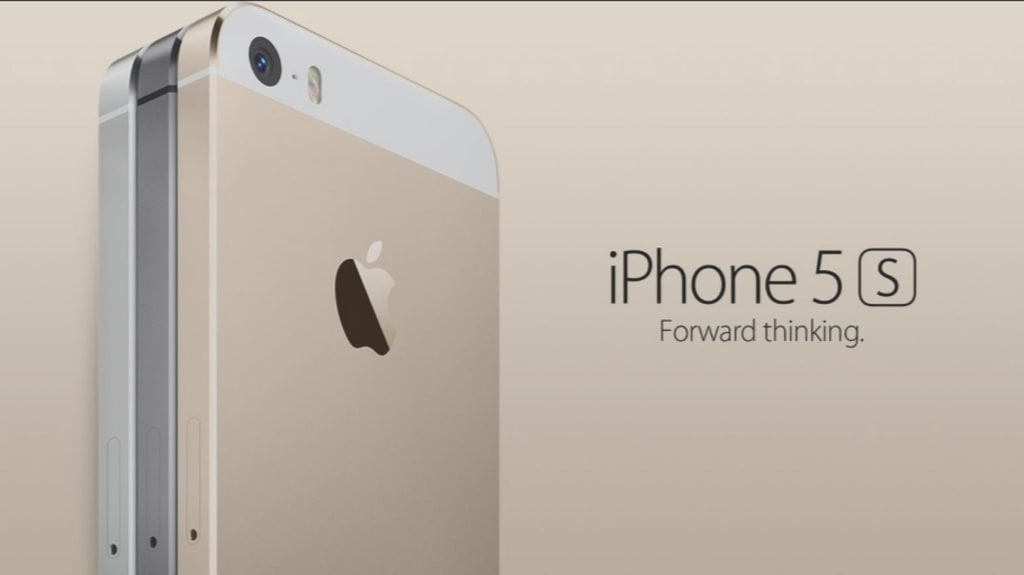
In a surprising and impressive move, Apple has released a new software update for devices many people assumed were long forgotten. On January 26, 2026, alongside iOS 26.2.1, Apple quietly pushed out iOS 12.5.8 for older iPhones still running the iOS 12 operating system. This update specifically targets the iPhone 5s and iPhone 6 — devices launched in September 2013 and September 2014.
That means Apple is still supporting the iPhone 5s after 13 years and the iPhone 6 after 12 years.
This update is not about adding flashy new features or modern apps. Instead, it focuses on something far more important: keeping essential system functions alive. According to Apple’s release notes, iOS 12.5.8 extends the security certificate required for services like iMessage, FaceTime, and device activation. Without this update, those features would have stopped working after January 2027 when the existing certificate expired.
In simple words, Apple prevented these phones from becoming digitally useless.
Why This Update Really Matters
Most users think software updates are only about new emojis, better cameras, or faster performance. But behind the scenes, digital certificates control whether core services continue to function. When a certificate expires, devices can lose the ability to activate, connect to secure Apple servers, or use essential communication tools.
For older devices stuck on legacy software, this can mean sudden loss of basic usability.
By extending the certificate, Apple ensured that millions of old iPhones around the world can still send messages, make FaceTime calls, and even be activated if reset. This is critical for users in developing regions, second-hand markets, businesses, schools, and people who rely on older phones as backup devices.
It is a quiet fix with huge impact.
The Last Update Was Three Years Ago
Before this release, the iPhone 5s and iPhone 6 last received updates in January 2023. Those updates delivered important security patches, and many believed that was the final chapter for these devices.
Three years later, Apple surprised everyone.
This shows that Apple’s internal support for products goes far beyond public expectations. Officially, Apple promises at least five years of security updates for iPhones. In practice, the company often delivers support for a decade or more when necessary.
This update is proof of that philosophy.
A Pattern Apple Has Repeated
This is not the first time Apple has extended life for older devices. The iPhone 6s, released 11 years ago, also received a security update in September 2025 with iOS 15.8.5. On the same day as iOS 12.5.8, Apple released iOS 15.8.6 for the iPhone 6s with the same certificate extension.
At the same time, Apple also released new versions of iOS 18 and iOS 16 for newer supported devices.
This coordinated release across multiple generations of iOS shows careful long-term planning. Apple is not randomly updating old phones. It is deliberately maintaining the infrastructure that allows them to function safely in a modern network environment.
Supporting Users, Not Just Devices
Many people still use the iPhone 5s and iPhone 6 today. Some use them as primary phones. Others use them for testing, security cameras, music players, or emergency backups. In many parts of the world, these devices are still being sold in second-hand markets.
Without this update, those phones would slowly become unusable after 2027.
By extending support, Apple protects users who may not be able to afford new devices every few years. It also reduces electronic waste, because people can continue using what they already own instead of throwing it away.
This decision has environmental, financial, and practical benefits.
A Rare Industry Example
Very few technology companies support devices this long. Most Android phones stop receiving updates after three to five years. Even computers often lose official support sooner than a decade.
Apple, however, continues to maintain software for hardware released when Barack Obama was President.
This level of longevity builds trust in the brand. Customers feel safer investing in expensive devices knowing they will not be abandoned quickly. It also shows that Apple’s tight control over hardware and software allows it to manage long-term compatibility in a way others cannot.
The Hidden Engineering Behind This
Maintaining support for 13-year-old hardware is not simple. Engineers must ensure that old encryption systems, outdated processors, and legacy software can still communicate securely with modern Apple servers.
The fact that Apple still maintains this compatibility is remarkable. It means old and new devices can still exist in the same digital ecosystem without breaking.
This requires careful management of certificates, security protocols, and network standards.
iOS 12.5.8 may look like a small update, but technically, it represents years of behind-the-scenes planning.
What This Means For Apple Users
If you still have an iPhone 5s or iPhone 6, this update means your phone will remain usable for several more years. iMessage, FaceTime, and device activation will continue working past 2027. That is an extraordinary lifespan for a smartphone.
It also sends a strong message to current iPhone users: Apple does not forget its old devices.
Even when a phone is no longer eligible for new iOS versions, Apple may still step in when something critical needs fixing.
A Legacy Of Long Term Support
The iPhone 5s introduced Touch ID and the 64-bit A7 chip. The iPhone 6 introduced larger screens that shaped future iPhone designs. These devices were milestones in Apple’s history.
Thirteen years later, Apple is still honoring that legacy with meaningful support.
In a world where technology is often disposable, this update stands as a reminder that some companies still value longevity, reliability, and user trust over planned obsolescence.
About the Creator
USA daily update
News, Politics, Technology Updates
Keep reading
More stories from USA daily update and writers in 01 and other communities.
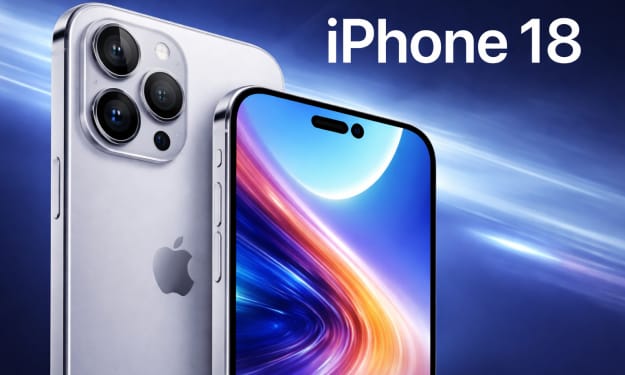
I phone 18 launch expected date, feature.
Apple iPhone 18 is expected to represent a bold shift in smartphone design philosophy, combining elegance with engineering excellence. Rumors suggest Apple may introduce a new titanium-glass fusion body, making the device lighter yet significantly stronger than previous models. The edges could become more seamless, removing visible antenna lines and offering a perfectly smooth finish. This design would not only enhance durability but also provide a premium in-hand feel that defines Apple’s craftsmanship. A thinner profile with improved structural integrity may also allow for better heat management and internal space efficiency. Users may notice refined curves, reduced bezels, and an almost borderless front display that maximizes screen immersion. Apple’s continued focus on environmental responsibility could lead to more recycled materials in the construction. Overall, the iPhone 18 design may blend aesthetics, sustainability, and resilience into one beautifully engineered device.
By USA daily update about 19 hours ago in 01
Light Builder Waste Skip Bins: Convenient Solutions for Small Projects
Whether you’re renovating your home, cleaning out a small construction site, or completing a DIY project, managing light building waste efficiently is essential. Light builder waste skip bins provide an easy, safe, and environmentally friendly way to dispose of debris without hassle. In this blog, we’ll explore the benefits of light builder waste skip bins, how to choose the right size, and tips for using them effectively.
By Sydney Skip Bins6 days ago in 01
The Complete Guide to Hack Gmail Password in 2026: Understanding Threats and Protection
Disclaimer: This article is for educational and informational purposes only. Unauthorized access to computer systems, including email accounts, is illegal under laws like the Computer Fraud and Abuse Act (CFAA) in the United States and similar legislation worldwide. This guide aims to help users understand threats to better protect their accounts, not to facilitate hacking.
By Alexander Hoffmann2 days ago in 01
🅼🅸🅳🅽🅸🅶🅷🆃 🆂🅽🅰🅲🅺🆂
"It's 10 in Tuscon! We all know what that means... It's Time for Midnight Snacks with your man, Gerald Gee! Ready to spend the night together? Me too! I'm full of snacks and can't wait to regurgitate them all back into your hungry ears. Crack a brew! Pop some corn! Anything to get ready for one hell of a show where the talk maybe cheap but the words cut deep...
By Lamar Wiggins5 days ago in Fiction


Comments
There are no comments for this story
Be the first to respond and start the conversation.