
How to Start a Gaming Startup: A Practical Guide for First-Time Founders
Build, fund, and launch your first game venture with real-world strategy

1. Why Now Is the Right Time to Start a Gaming Startup
The gaming industry has evolved dramatically over the past decade. With mobile usage on the rise, game development tools becoming more accessible, and niche markets thriving, it’s never been easier for independent entrepreneurs to enter the field. The pandemic accelerated digital entertainment trends, while platforms like Kickstarter, Steam, and mobile app stores opened new distribution channels. What was once dominated by large studios is now a level playing field for those with a compelling idea and a focused strategy.
2. What Kind of Game Business Are You Building?
Not every gaming startup looks the same. One of your first strategic decisions is choosing your business model and format. Are you developing a mobile-first game app with in-app purchases? A story-rich indie title for PC or console? A tabletop experience supported by a digital companion app?
Your choice will impact how you fund, build, and market your game. Even a niche like digital board games has seen massive growth — exploring the types of board games can reveal surprising opportunities that lie outside the mainstream.
3. Validate the Idea Before You Write a Line of Code
No idea is too small or too strange until tested. That said, skipping validation is one of the fastest paths to failure. Before committing to development, gather real-world data:
- Pitch your idea on Reddit or indie game communities
- Analyze similar games on Steam or the App Store for reviews, demand, and user feedback
- Test early interest through a landing page or waitlist
- Launch a mini crowdfunding campaign
Validating a game idea doesn't mean everyone has to love it. It means the right audience shows up consistently when given a chance.
4. How to Assemble a Founding Team (Even If You're a Solo Dev)
Successful game startups don’t need a big team to begin. What they need is alignment. Whether you’re a developer, designer, or entrepreneur, identify the roles you can fill and the ones you need to outsource or collaborate on.
Essential early roles:
- Game development (Unity, Unreal, or custom engines)
- Game design and level design
- Art and audio (freelance is often practical here)
- Production and marketing
If you’re a solo founder, build a network of trusted freelancers or collaborators. Cohesion and clarity matter more than headcount.
5. Smart Funding Options for Gaming Startups
You don’t need millions to get started. In fact, the best ideas often come from constrained environments. Here are practical ways to fund your startup:
Bootstrapping: Start small and build a playable prototype yourself
Crowdfunding: Especially effective for board games and niche genres where fan excitement drives early adoption
Publisher deals: Some publishers offer funding for promising concepts in exchange for IP rights or revenue share
Game development grants: Available in some regions for innovative or educational titles
Angel investors: Ideal if you already have traction or prior startup experience
6. Designing for Growth: Game Loops, Retention & Monetization
A successful game balances fun with scalability. You need to build compelling game loops—repeatable actions that players enjoy—while thinking ahead about how to retain players.
How will your game evolve over time?
What keeps players coming back?
Will you monetize via ads, purchases, subscriptions, or a premium download?
Games with strong retention are more sustainable and cheaper to market in the long run.
7. Build a Prototype. Get Feedback. Iterate Fast.
Before you build your "real" game, create something scrappy that captures the core mechanic. This is your prototype.
Tools like Unity, Godot, Construct, or even Tabletop Simulator (for board games) can help you put something playable in front of people fast.
Once you have feedback, adjust. Test again. Learn from real users, not just your imagination. Iteration is your most powerful tool early on.
8. Marketing Isn’t an Add-On. It Starts on Day One.
Marketing isn’t something you tack on after your game is finished. Your brand, audience, and voice should be built alongside your product.
- Start a devlog or behind-the-scenes blog
- Use Twitter, TikTok, or YouTube to build early interest
- Build a Discord server for feedback and community
- Reach out to micro-influencers who cover your game genre
Great marketing amplifies good products, but it can’t save unvalidated ones.
9. Legal Basics Most Game Startups Miss
Game startups often skip the legal side—until it's too late. Protect your work and avoid future problems by handling these basics:
- Set clear contracts for any collaborators or freelancers
- Register your IP, especially if you’re developing a unique mechanic or brand
- Understand your rights in publisher or investor deals
Ensure compliance with regional data protection laws if your game collects player info
10. Launch Small. Grow Smart. Think Long-Term.
Your first launch isn’t your final word—it's your entry point. Start with a minimal version (MVP) and learn from users. Many successful games were rough in the beginning but grew through patches, community input, and content updates.
Once you’ve proven your model, expand it. Add new features. Explore spin-offs. Reuse assets across projects to save time and cost. Plan for a business that evolves, not a one-hit wonder.
Final Thoughts: Focus, Patience, and Playing the Long Game
Building a game startup is not easy, and it's not fast. But it's deeply rewarding if you're solving a real problem for a real audience. Success rarely comes from chasing trends. It comes from thoughtful execution, attention to your users, and persistence through the slow days.
Focus on value. Listen more than you build. And don’t underestimate the power of niche markets—they often lead to the most loyal players and profitable ideas.
About the Creator
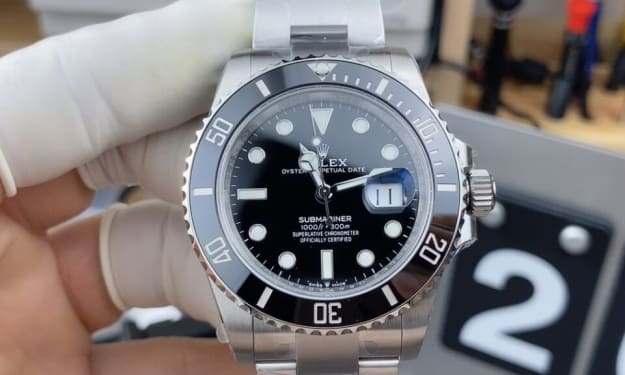
The Growing Interest in VSF Super Clone Watches
Luxury watches have long been associated with prestige, craftsmanship, and engineering excellence. Iconic watchmakers spend decades refining their movements, materials, and designs to create timepieces that are admired around the world. However, the extremely high prices of authentic luxury watches place them far beyond the reach of many enthusiasts. Because of this, conversations about alternative ways to experience luxury watch design have grown in online watch communities.
By charliesamuel6 days ago in 01
7 Gamification Patterns That Boost EdTech Retention
The challenge for Education Technology in 2026 is high. It is no longer about just delivering content. The real goal is to sustain the "will to learn." Digital fatigue has reached new heights this year. The focus keyword is 7 Gamification Patterns That Boost EdTech Retention. This phrase represents a vital strategic shift. Product leaders must move from points and badges. They must embrace deep psychological engagement instead. Passive learning is now a dead concept. To survive the current market, platforms must change. They must become active and habit-forming environments.
By Del Rosario6 days ago in 01



Comments
There are no comments for this story
Be the first to respond and start the conversation.