
How to select the best shipping container
How to select the best shipping container
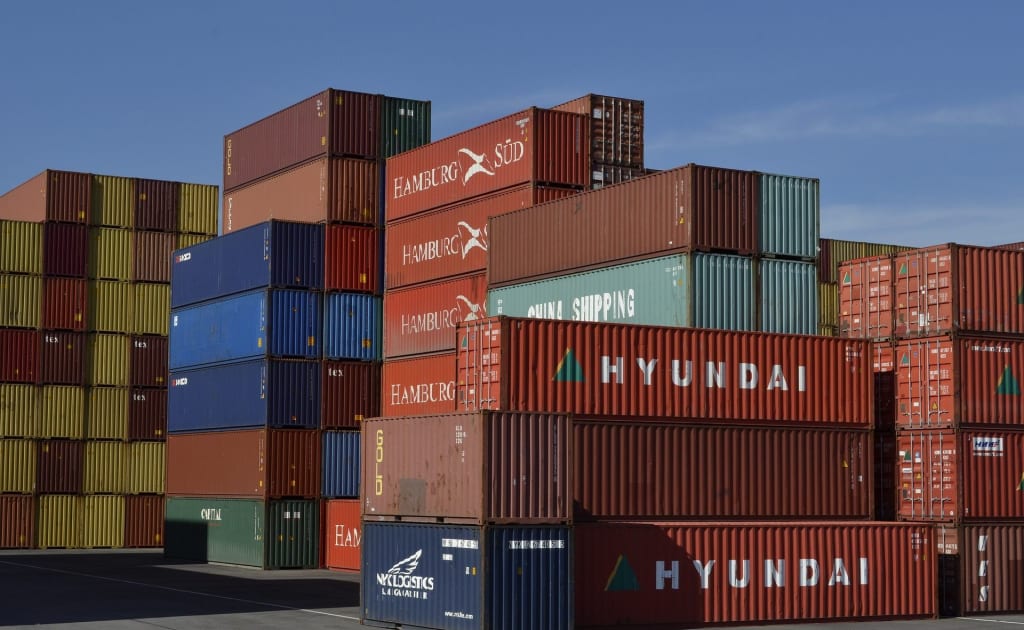
When packaging a shipment to travel a great distance, it is necessary to select a container that will preserve its integrity and avoid any damage. Unfortunately, most of us do not select the right shopping container for our cargo and thus end up with distorted or damaged goods as well as complaints from dissatisfied customers. Here are some tips on how to choose a container for your cargo that will protect it from multiple hazards along its journey.
1. Pick a Pallet and a Container Carefully
The size of the container you select will make a big difference in how safe your freight will reach the intended shores. When choosing the right size it is necessary to avoid inexpensive options such as an LCL or a shared container or an FCL or full container as these are cheap but ineffective shopping options that cannot guarantee safety from damages en route. A 20-foot container, for example, is more likely to transport 10 cubic meters of cargo safely to shore than a shared container that will undergo more manipulations on the way to the final destination. Using a suitable pallet for your items is also crucial as every pallet should be ideally larger than the item placed on top of it. Make sure your goods do not hang beyond the edges of the pallet where the risk of collision with other items is high.
2. Avoid Stacking Mistakes
Stacking goods properly is another must for those who wish to avoid damaging their cargo as it is an element of the shipping industry where mistakes can yield negative consequences. Items should be stacked not only according to the dimensions of the items but also the weight. Heavier items must be stacked at the bottom of the container while lighter cargo should occupy higher spaces. Some items may not be able to withstand other goods to be placed on top and these must be stacked so as not to put too much pressure from the top. Tipping and rattling during the transit period are to be expected so leaving room between packages is also ill-advised. Fill in every nook and cranny so that your cargo can withstand the impact of tipping and shaking.
3. Insure your Packages
While this is technically not a step that can prevent damage to a shipment it is a practical way to be compensated in the event of a mishap. Those who are running small or medium-sized businesses should understand the value of insuring their shipping container as your customers can also benefit from securing an insurance policy as a precaution. Preventing financial losses due to the shipment process and its inherent risk, cargo that's insured is also likely to be better protected en route.
4. Labelling Correctly
Accurate and diligent labelling is instrumental to cargo safety regardless of the time it spends in containers en route to its final port. Human error and carelessness are often the leading cause of compromised cargo and the best way to avoid it is to label every package carefully. Symbols and certain terms are used in the shipping industry to communicate how each item must be handled and held during transit and they include words such as "Fragile" "This side up" and "Do Not Bend." Whether the cargo is arriving via the South Asian Container Terminal or any other, the likelihood of the cargo being mishandled can be reduced greatly with the right labels. This is especially true in the case of Sri Lankan shipping. Technology shipments and cargo that include sensitive technical equipment must be labelled for safety reasons as they are more susceptible to damage
About the Creator
Keep reading
More stories from Dwayne Lindsay and writers in 01 and other communities.
Why Choosing a Verified Shipping Container Supplier Matters
Have you ever thought about why people always talk about buying a shipping container from a trusted or verified company? When we decide to buy something as valuable and long-lasting as a shipping container, the supplier plays a big role in what we finally get. Many buyers today look for a supplier they can trust because it saves them time, money, and stress in the long run.
By Dwayne Lindsay2 months ago in 01
Why Big Tech Is Rebuilding Walled Gardens Again?
In the early years of the internet, “open” was not just a design principle; it was an ideology. Browsers competed freely. Websites linked to one another without friction. Developers could build and distribute software without negotiating with centralized gatekeepers. The web felt expansive, unpredictable, and difficult to control.
By Mary L. Rodriquez4 days ago in 01
Pearl
1980 something. we all hung out at Pearl and you and i were nothing special, or so i thought. i mean we all danced, drenched in our own sweat, our own saline solution of fear, too many beers, shots, laughter, tears, fucks in the bathroom and i don't know when we began to be afraid. do you?
By ROCK aka Andrea Polla (Simmons)5 days ago in Fiction




Comments
There are no comments for this story
Be the first to respond and start the conversation.