
How to Plan Your Sandakphu Trek: Everything You Need to Know
Sandakphu Trek

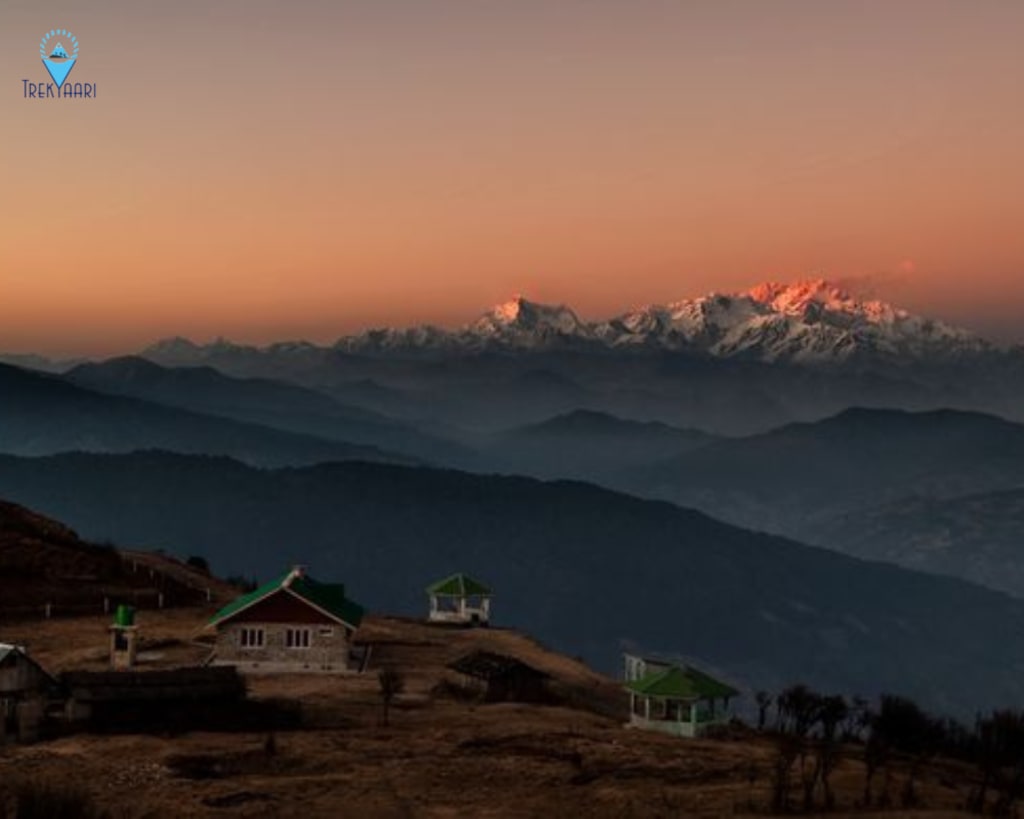
The Sandakphu trek is a dream come true for many trekking enthusiasts. Located in the Eastern Himalayas, this trek offers breathtaking views of some of the highest peaks in the world, including Everest, Kanchenjunga, Lhotse, and Makalu. Planning for this trek requires careful consideration of several factors to ensure a smooth and enjoyable experience.
Why Choose the Sandakphu Trek
Scenic Beauty
The Sandakphu trek is renowned for its panoramic views of the Himalayan range. Trekkers are treated to a visual feast of lush green valleys, blooming rhododendrons, and snow-capped mountains.
Choosing the Right Sandakphu Trek Package
What to Look for in a Package
When selecting a Sandakphu trek package, consider the inclusions such as accommodation, meals, guide services, and permits. Look for packages that offer comprehensive services for a hassle-free experience.
Comparing Different Packages
Compare different packages based on their cost, inclusions, and reviews from past trekkers. This will help you find the best value for your money.
Unique Flora and Fauna
The trek passes through the Singalila National Park, home to diverse flora and fauna. You might spot rare animals like the Red Panda and the Himalayan Black Bear along the way.
Cultural Experiences
The trail takes you through charming villages inhabited by warm and welcoming locals. This provides an opportunity to experience the rich cultural heritage of the region.
Best Time to Trek Sandakphu
Spring Season
Spring (March to May) is one of the best times to undertake the Sandakphu trek. The weather is pleasant, and the rhododendrons are in full bloom, painting the landscape in vibrant colors.
Autumn Season
Autumn (October to December) is another excellent period for trekking. The skies are clear, offering stunning views of the mountains, and the weather is cool but not too cold.
Weather Considerations
Weather in the Himalayas can be unpredictable. It's essential to check the forecast before setting out and be prepared for sudden changes.
Sandakphu Trek Route Overview
Starting Point
The trek usually starts from Manebhanjan, a small town near Darjeeling. It is well-connected by road and is the gateway to the Singalila Ridge.
Major Stops Along the Way
The trek covers several significant stops, including Chitrey, Tumling, Kalipokhri, and finally Sandakphu. Each stop offers unique experiences and beautiful vistas.
Final Destination
Sandakphu, at an altitude of 3,636 meters (11,941 feet), is the highest point of the trek. The view from here is unparalleled, with a 180-degree panorama of the Himalayas.
Tips for Booking
Book your trek package well in advance, especially if you plan to trek during the peak seasons. This ensures availability and may also get you early bird discounts.
Essential Permits and Documentation
Required Permits
Trekkers need permits to enter the Singalila National Park. Make sure to obtain these before starting your trek.
How to Obtain Them
Permits can be obtained from the Forest Department office at Manebhanjan or Darjeeling. Some trek packages include permit arrangements.
Important Documents to Carry
Always carry a government-issued photo ID, copies of your permits, and any other necessary documents.
Physical Preparation for the Trek
Fitness Level Required
The Sandakphu trek is moderately challenging. A good level of fitness is required to tackle the steep ascents and long walking hours.
Training Tips
Start your training at least a couple of months before the trek. Include cardio exercises, strength training, and hiking practice in your routine.
Health Precautions
Consult your doctor before the trek, especially if you have pre-existing health conditions. Carry necessary medications and a basic first-aid kit.
Packing List for Sandakphu Trek
Clothing Essentials
Pack layered clothing to adjust to varying temperatures. Include thermal wear, a good quality jacket, waterproof pants, and comfortable trekking boots.
Gear and Equipment
Essential gear includes a backpack, trekking poles, sleeping bag, and a headlamp. Ensure you have a sturdy and comfortable backpack to carry your essentials.
Food and Hydration
Pack high-energy snacks like nuts, dried fruits, and energy bars. Carry a reusable water bottle and water purification tablets or a portable filter.
Accommodation Options on the Trek
Types of Accommodation
Accommodation ranges from basic tea houses to more comfortable lodges. Some trek packages include camping options as well.
Booking Tips
If you are not opting for a package, it's wise to book your accommodation in advance, especially during peak seasons.
What to Expect
Expect basic facilities in most places. Hot water and electricity might be limited, but the hospitality and warmth of the locals more than make up for it.
Food and Water Arrangements
Meal Options
Meals are usually simple but nutritious, consisting of local dishes like dal Bhat (lentil soup with rice) and momo (dumplings). Some tea houses offer a limited menu.
Water Sources
Natural water sources are available along the trail, but it’s essential to purify the water before drinking.
Tips for Staying Hydrated
Drink plenty of water to stay hydrated and combat altitude sickness. Avoid drinking untreated water.
Safety Tips and Guidelines
Trekking Safety
Always trek with a group or guide, stay on marked trails, and inform someone about your itinerary.
Dealing with Altitude Sickness
Ascend gradually, stay hydrated, and be aware of the symptoms of altitude sickness. If symptoms worsen, descend to a lower altitude immediately.
Emergency Contacts
Keep a list of emergency contacts, including local rescue teams and the nearest medical facilities.
Cultural Etiquette and Responsible Trekking
Respecting Local Culture
Show respect for local customs and traditions. Greet locals with a smile and a 'Namaste,' and ask for permission before taking photographs.
Environmental Responsibility
Leave no trace. Carry your trash back, avoid using plastic, and stick to designated trails to minimize environmental impact.
Tips for Responsible Trekking
Support local businesses by hiring local guides and staying in locally-owned accommodations. This boosts the local economy and ensures sustainable tourism.
Photography Tips for Sandakphu Trek
Best Spots for Photography
The Singalila Ridge offers numerous stunning photography spots. Sandakphu and Phalut are particularly popular for panoramic shots.
Equipment Recommendations
A DSLR or a good-quality smartphone camera works well. Carry extra batteries and memory cards as charging facilities might be limited.
Focus on capturing candid moments and the natural beauty of the trail. Early mornings and late afternoons offer the best lighting.
Personal Experiences and Testimonials
Stories from Past Trekkers
Many trekkers share stories of the trek being a life-changing experience. The camaraderie, the challenge, and the sheer beauty of the Himalayas leave a lasting impact.
Inspirational Experiences
Reading about the experiences of others can inspire and prepare you for the trek. Many find solace and a sense of achievement in completing the Sandakphu trek.
Lessons Learned
Past trekkers often emphasize the importance of preparation, respecting nature, and embracing the journey rather than just the destination.
Conclusion
The Sandakphu trek is not just a journey through the Himalayas but a journey within. With careful planning and the right preparation, you can make the most of this incredible adventure. So, pack your bags, put on your trekking boots, and get ready to create memories that will last a lifetime.
About the Creator
Trekyaari
Trekyaari is the best trekking company in India offering comprehensive trekking, adventure, holiday tours, and expedition services. Explore the best of India's nature and culture with us!
How AI-Powered Design Is Changing Digital Experience Creation
Software design traditionally required human designers to manually draw every screen. A team created fixed layouts and navigation paths. Every user saw the exact same interface, regardless of their specific goals. This approach is inefficient for complex applications. Today, AI-powered design alters this entire process. It introduces algorithms that assemble interfaces dynamically. The software builds the screen based on the specific needs of the person using it in real time.
By ViitorCloud Technologiesabout 5 hours ago in 01



Comments
There are no comments for this story
Be the first to respond and start the conversation.