
How to Mix and Pour Concrete Using a Portable Concrete Plant: A Step-by-Step Guide
How to Mix and Pour Concrete Using a Portable Concrete Plant

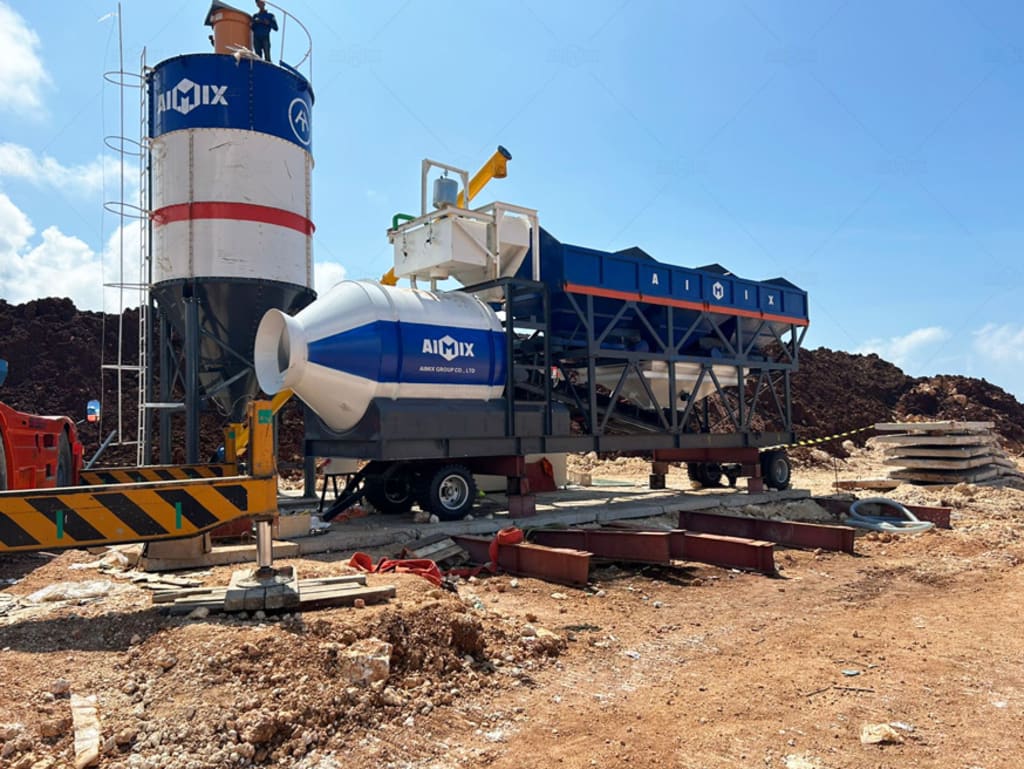
Portable concrete plants have revolutionized the construction industry by bringing batching capabilities directly to the job site, eliminating the need for transit mixers and reducing material waste. These self-contained units combine aggregate storage, cement silos, water tanks, and mixing systems into a single mobile platform that can be transported to virtually any location. Whether you're working on a remote infrastructure project, a residential development, or a commercial construction site, understanding how to properly operate a portable concrete batching plant is essential for producing high-quality concrete efficiently and safely. This comprehensive guide will walk you through the entire process, from initial setup to final cleanup, ensuring you can maximize the potential of this versatile equipment while maintaining strict quality control standards throughout your project.
Preparing the Portable Concrete Plant for Operation
Proper preparation is the foundation of successful concrete production with a portable plant. Begin by selecting a level, stable site with adequate space for the plant, material storage, and truck access. The ground should be compacted and capable of supporting the plant's weight, which can exceed 20 tons when fully loaded. Position the plant with consideration for material delivery routes and concrete discharge points to minimize handling and transportation distances. Once positioned, deploy the outriggers or stabilizers to ensure the plant remains level and stable during operation, as even slight tilting can affect batching accuracy and mixing quality. Connect the plant to a reliable power source, typically a diesel generator or site power, ensuring the voltage and amperage meet the manufacturer's specifications. Fill the water tank with clean, potable water free from contaminants that could affect concrete quality, and verify that the water metering system is calibrated correctly. Load the aggregate bins with the required materials—typically coarse aggregate, fine aggregate, and sometimes additional materials like fly ash or slag—ensuring each compartment contains the correct material type and that stockpiles are protected from contamination and moisture. Finally, connect the cement silo to the plant's pneumatic conveying system, ensuring all connections are secure and the dust collection system is functioning properly to prevent environmental contamination and material loss.
Batching and Mixing the Concrete
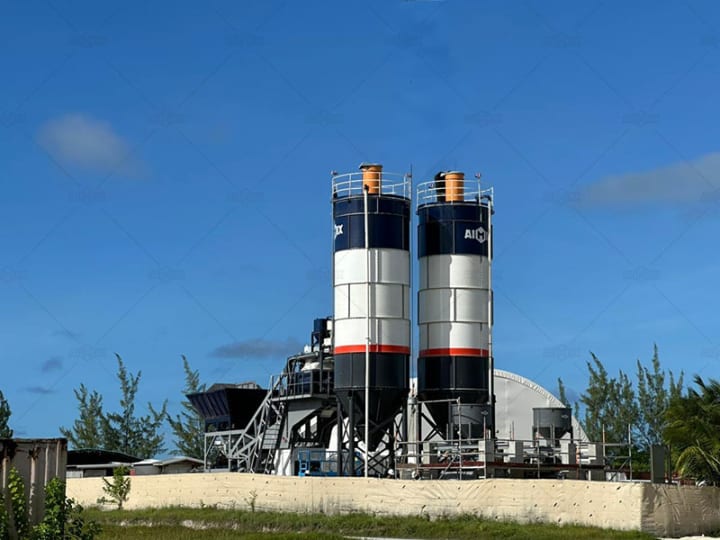
The batching process requires meticulous attention to detail to ensure consistent concrete quality. Begin by inputting the mix design parameters into the plant's computerized control system, including the proportions of cement, aggregates, water, and any admixtures. Modern mobile concrete plants feature sophisticated batching systems that can store multiple mix designs, allowing quick switching between different concrete specifications as project requirements change. Initiate the batching sequence, which typically starts with the discharge of coarse aggregate into the weighing hopper, followed by fine aggregate, cement, and any supplementary cementitious materials. The control system monitors the weight of each component in real-time, automatically adjusting feed rates to achieve precise proportions within tight tolerances—typically ±1% for cement and water, and ±2% for aggregates. Once all dry materials are weighed, transfer them to the mixer drum while simultaneously adding the measured quantity of water. For plants equipped with admixture dispensers, inject liquid admixtures at the specified time during the mixing cycle, as timing can significantly impact their effectiveness. The mixing time varies depending on the mixer type and capacity but typically ranges from 60 to 90 seconds for central mix plants or 70 to 100 revolutions for transit mixers. During mixing, monitor the concrete consistency through visual inspection or, if available, using a slump test to ensure it meets the specified workability requirements. Adjust water content if necessary, but avoid over-mixing, which can lead to segregation and reduced strength development.
Pouring, Finishing, and Cleanup Procedures
Proper pouring techniques are crucial for achieving durable, high-quality concrete structures. Before discharging concrete, ensure the placement area is properly prepared with formwork that is clean, tight, and adequately braced to withstand the pressure of fresh concrete. Dampen the subgrade and formwork to prevent absorption of mix water, which can weaken the concrete surface. When pouring, discharge the concrete as close as possible to its final position to minimize handling and segregation. For slabs, pour in continuous strips, working from one end to the other, and avoid placing concrete in large piles that require extensive spreading. Use vibrators to consolidate the concrete, inserting them at regular intervals and moving them slowly through the concrete to remove air pockets without over-vibration, which can cause segregation. For vertical elements like walls and columns, pour in layers no thicker than 18-24 inches, consolidating each layer before adding the next. After pouring, immediately begin finishing operations, starting with screeding to establish the proper elevation and remove excess concrete. Follow with bull floating to embed aggregate and remove high spots, then wait for the surface water to disappear before proceeding with final finishing using trowels or floats. Proper curing is essential—begin curing as soon as the surface can withstand damage, typically by covering with wet burlap, plastic sheeting, or applying curing compounds to prevent moisture loss. Finally, thoroughly clean the small concrete batch plant immediately after use, flushing the mixer and discharge chute with water to remove residual concrete before it hardens. Clean all weighing hoppers, conveyors, and storage bins to prevent material buildup that could affect future batching accuracy and equipment performance.
About the Creator
AIMIX
Construction Machine Manufacturer in China. Find Machines here: https://aimixconcretesolution.com/
The Growing Demand for Custom Flexible Packaging Manufacturers in China
Flexible packaging has become one of the fastest-growing segments of the global packaging industry. Businesses across food, beverage, cosmetics, and pharmaceutical sectors are increasingly shifting away from rigid containers toward lighter and more adaptable packaging solutions. In many cases, companies rely on a custom flexible packaging manufacturer to create packaging solutions that match their product needs and branding goals. This transition is driven by efficiency, sustainability considerations, and the need for packaging that works well with modern production systems.
By charliesamuelabout an hour ago in 01


Comments