
How to Keep Your Home Cool and Comfortable Without Relying Too Much on Air Conditioning
Keep Your Home Cool and Comfortable
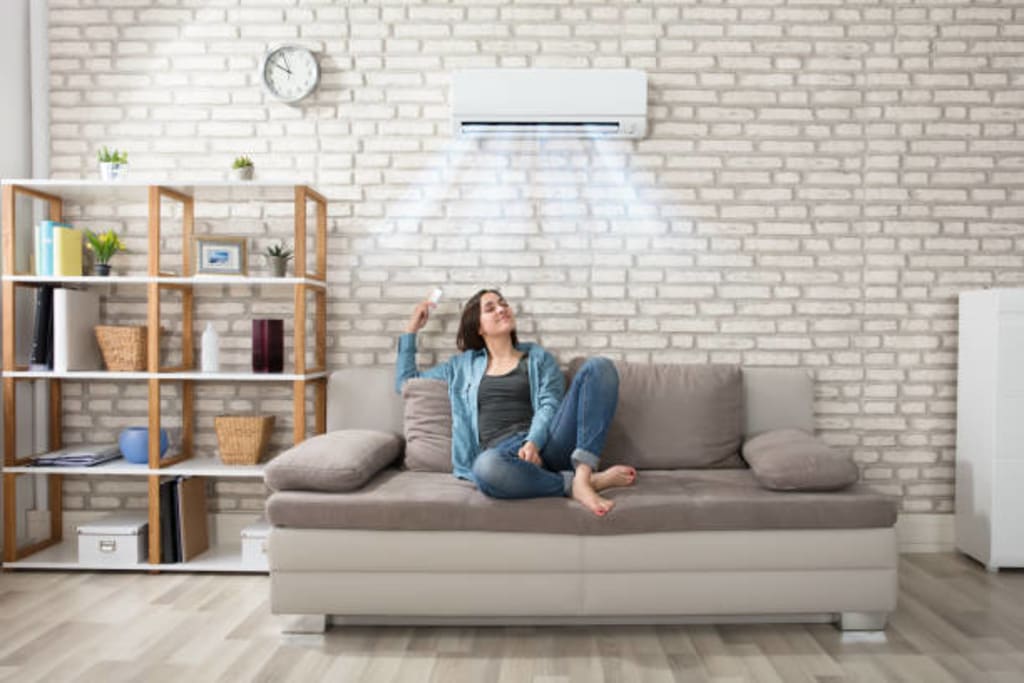
Maintaining a cool and comfortable home, especially during warmer months, can be challenging. While air conditioning is effective, it often leads to higher energy bills and increased environmental impact. Fortunately, there are several practical and cost-effective strategies you can use to regulate indoor temperatures naturally and efficiently.
This guide will walk you through simple steps to reduce heat buildup, improve airflow, and create a more comfortable living environment.
1. Control the Amount of Sunlight Entering Your Home
Sunlight is one of the biggest contributors to indoor heat. When direct sunlight enters through windows, it warms up floors, furniture, and walls, causing the temperature inside to rise quickly.
To minimize this effect:
Close curtains or blinds during peak sunlight hours (usually 11 AM to 4 PM)
Use light-colored or reflective window coverings
Install external shading solutions that block heat before it reaches the glass
External shading is especially effective because it prevents heat from entering in the first place. Many homeowners choose outdoor screening systems, such as Zipscreen blinds, to reduce glare and heat while still allowing natural light and airflow. This approach helps maintain comfort without making rooms feel dark or enclosed.
2. Improve Natural Ventilation
Airflow plays a critical role in regulating indoor temperature. Proper ventilation allows hot air to escape and cooler air to circulate throughout your home.
Here are some effective ventilation tips:
Open windows early in the morning and late in the evening
Create cross-ventilation by opening windows on opposite sides of the room
Use ceiling or portable fans to move air around
Keep interior doors open to allow airflow between rooms
Moving air helps your body cool naturally by increasing evaporation and reducing the feeling of heat.
3. Reduce Heat Generated Inside Your Home
Many everyday appliances produce heat, which contributes to warmer indoor temperatures. By managing when and how you use them, you can significantly reduce heat buildup.
Consider these simple changes:
Avoid using ovens during the hottest part of the day
Use energy-efficient appliances
Turn off electronics when not in use
Switch to LED lighting, which produces less heat
Cooking outdoors, when possible, is another excellent way to prevent indoor heat accumulation.
4. Use Light and Breathable Interior Materials
The materials inside your home affect how heat is absorbed and retained. Heavy fabrics and dark colors tend to absorb and hold heat longer.
Instead, choose:
Light-colored curtains and furniture covers
Breathable fabrics like cotton and linen
Lightweight bedding during warmer months
These materials help maintain a cooler indoor environment and improve overall comfort.
5. Seal Gaps and Insulate Properly
Many homes lose cool air and gain heat due to poor insulation or small gaps around windows and doors. Sealing these gaps helps maintain stable indoor temperatures.
Check for:
Cracks around window frames
Gaps under doors
Poorly sealed vents
Using weather stripping or sealant can make a noticeable difference in temperature control and energy efficiency.
6. Use Fans Strategically
Fans do not lower the temperature, but they improve comfort by moving air and helping sweat evaporate from your skin.
For best results:
Place fans near windows to pull in cooler air
Use ceiling fans in a counterclockwise direction during summer
Turn off fans when leaving the room to save energy
Fans work best when combined with proper ventilation and shading.
7. Add Plants for Natural Cooling
Indoor and outdoor plants can help reduce surrounding temperatures by providing shade and releasing moisture into the air.
Benefits of plants include:
Lower ambient temperature
Improved air quality
Reduced direct sunlight exposure
Plants placed near windows or outside walls can provide natural shading and cooling effects.
8. Keep Windows and Glass Clean
Clean windows reflect more sunlight and allow better control of heat and light. Dirt and dust can reduce the effectiveness of shading and ventilation.
Regularly clean:
Window glass
Screens
Window tracks
This improves both airflow and light management.
9. Adjust Your Daily Habits
Small lifestyle adjustments can also help keep your home cooler.
Examples include:
Doing household chores early in the morning
Keeping lights off when not needed
Wearing light, breathable clothing indoors
These simple habits reduce heat generation and improve comfort.
Conclusion
Keeping your home cool does not always require heavy reliance on air conditioning. By managing sunlight, improving ventilation, reducing internal heat sources, and using effective shading solutions, you can create a more comfortable and energy-efficient living space.
Simple improvements—like sealing gaps, choosing breathable materials, and installing proper external shading such as Zipscreen blinds—can make a significant difference in maintaining indoor comfort throughout the year.
About the Creator
Keep reading
More stories from Kashif Khan and writers in 01 and other communities.
How to Understand Advances in Hair Restoration: Techniques, Clinical Outcomes, and Patient Considerations
As genetic hair loss affects a large share of the population (up to ~80% of men and 50% of women will experience it), many turn to advanced treatments to regrow hair. Modern hair transplantation involves relocating healthy follicles from donor areas (like the back of the head) to thinning regions. For example, clinics and Medical Center in the Netherlands offer state-of-the-art Hair transplant procedures and adjunct therapies. Over the past few years, both established and emerging techniques – from improved surgical methods (FUE, FUT, DHI) to biologic treatments (PRP, stem-cell activators, robotics) – have expanded what patients can expect.
By Kashif Khan11 days ago in 01
How a Digital Product Engineering Company Accelerates Enterprise Innovation
Enterprise innovation sounds exciting in boardroom presentations. But behind every bold digital vision lies a difficult reality: legacy systems, fragmented data, slow release cycles, security concerns, and constant pressure to deliver ROI.
By alan michael2 days ago in 01
Super Bowl LX Recap: A Team Called Hawks
Sixty. The Super Bowl turned 60! Still amazes me that this was the sixtieth Super Bowl played in NFL history. It seems like yesterday that I watched Super Bowl XXVII, the first SB I ever watched. The QB who won Super Bowl XXVII has since called a few SBs, and will call next year's game, but that's another story. Super Bowl LX took place at Levi's Stadium in Santa Clara, California, the home stadium of the San Francisco 49ers. However, it was one of their division foes who represented the NFC, as the Seattle Seahawks faced off against the New England Patriots.
By Clyde E. Dawkins6 days ago in Unbalanced



Comments
There are no comments for this story
Be the first to respond and start the conversation.