
How to Understand Advances in Hair Restoration: Techniques, Clinical Outcomes, and Patient Considerations
Understand Advances in Hair Restoration
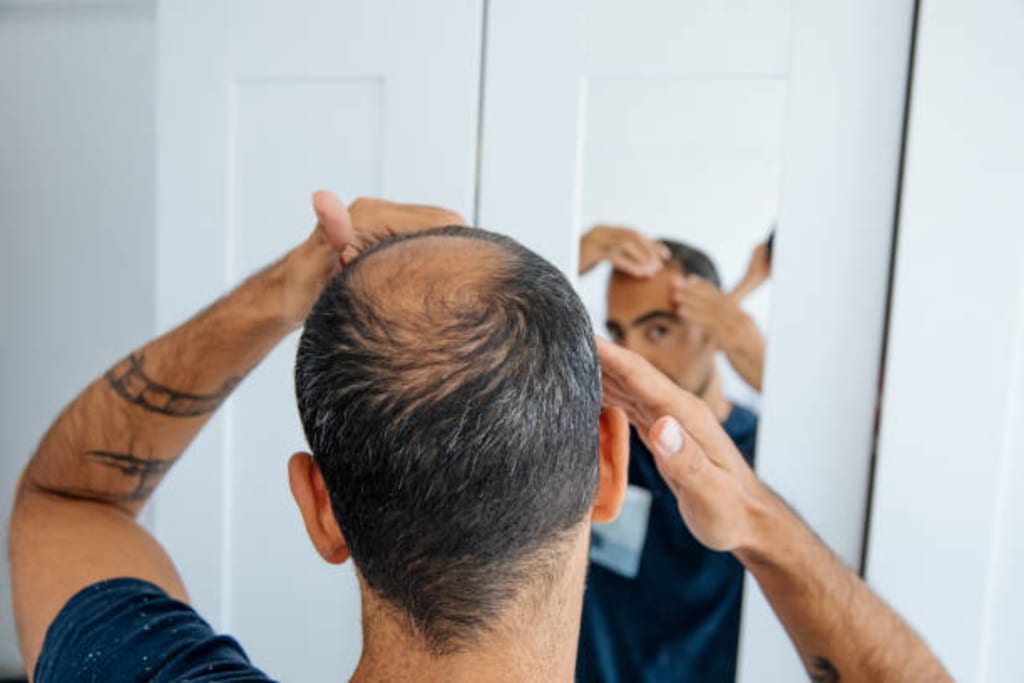
As genetic hair loss affects a large share of the population (up to ~80% of men and 50% of women will experience it), many turn to advanced treatments to regrow hair. Modern hair transplantation involves relocating healthy follicles from donor areas (like the back of the head) to thinning regions. For example, clinics and Medical Center in the Netherlands offer state-of-the-art Hair transplant procedures and adjunct therapies. Over the past few years, both established and emerging techniques – from improved surgical methods (FUE, FUT, DHI) to biologic treatments (PRP, stem-cell activators, robotics) – have expanded what patients can expect.
Techniques: Established and Emerging Methods
Hair restoration now spans a spectrum of surgical and nonsurgical methods:
Follicular Unit Extraction (FUE): Individual follicular units are removed one by one using tiny punches (typically 0.7–1.1 mm) from the donor scalp. These grafts are then implanted into bald areas. FUE leaves only small dot-scars and allows for flexible donor sites (even beard or chest hair).
Follicular Unit Transplantation (FUT): A strip of scalp is excised from the donor area and dissected under a microscope into individual grafts. FUT can yield a large number of grafts in one session but leaves a linear scar. Recovery is usually longer than FUE due to the larger incision.
Direct Hair Implantation (DHI): A variation of FUE, DHI uses a special “Choi” implanter pen. Follicles are loaded into the pen and inserted directly, allowing precise angle and depth control. DHI is minimally invasive (no pre-made recipient incisions) and can produce natural hairlines, though it often costs more per graft.
Robotic Hair Transplants: Robotic systems (e.g. ARTAS) use image-guidance and AI to harvest and place follicles. In one recent trial, the ARTAS robot achieved a ~82% yield rate (vs ~90% for manual FUE) with similar patient satisfaction and virtually no complications. Such robots can reduce surgeon fatigue and improve consistency, making high-volume procedures safer and faster. Overall, current robotic systems are considered effective and safe for androgenetic alopecia.
Platelet-Rich Plasma (PRP): PRP therapy is a non-surgical adjunct where a patient’s blood is processed to concentrate healing factors and then injected into the scalp. Early studies suggest PRP can boost graft survival and hair density. For example, a systematic review found that adding PRP to transplant procedures was “associated with improved outcomes, including increased hair density [and] enhanced follicle survival”. Patients often report thicker hair and faster regrowth when PRP is combined with transplantation, although protocols vary and more research is ongoing.
Stem-Cell and Regenerative Treatments: Research is underway on biologic therapies to awaken dormant follicles. For instance, UCLA scientists identified a small molecule (called PP405) that “wakes” follicle stem cells. In early human trials, nightly topical use of PP405 for one week produced statistically significant hair regrowth – notably, more so than typical over-the-counter lotions. This approach led to Pelage Pharmaceuticals, which reported mid-stage trial results showing that a novel topical gel (activating follicle stem cells) helped ~1/3 of treated patients achieve >20% hair density increase in 8 weeks (versus 0% in placebo). Such advances hint at future non-surgical options that may greatly accelerate growth, though they are not yet standard practice.
Clinical Outcomes and Success Rates
Overall, modern hair-restoration methods yield high success rates and patient satisfaction:
Graft survival: Most high-quality surgeries achieve ~90–97% graft survival in routine cases. For example, a 2024 study of 158 men undergoing FUE found over 90% of transplanted hairs survived at 12 months; more than 85% of patients had ≥95% survival, and complication rates were under 6%. This means most grafts take root and grow as intended.
Patient satisfaction: Surveyed patients report very high satisfaction. In one review, roughly 90–95% of hair restoration patients were happy with their results. In the FUE study above, satisfaction exceeded 98%. Even so, realistic expectations are crucial: full cosmetic results develop gradually. Most transplanted follicles enter a natural growth phase, with visible improvement often seen by 6–9 months and maximum fullness by ~12–18 months post-surgery.
PRS adjunct effects: Studies of PRP as an adjunct note measurable benefits. Patients receiving PRP with their transplant saw increased thickness and earlier hair emergence. While PRP alone is not a complete “cure,” it tends to enhance outcomes without serious side effects.
Technique comparisons: Follicle yield and hair quality can vary by method. Robotic FUE (ARTAS) showed a slightly lower yield (82% vs 90% in a small study) but equivalent satisfaction. Both FUT and FUE yield cosmetically acceptable results, but FUE’s less invasive nature makes it more popular today (accounting for ~70% of procedures). Direct implantation (DHI) claims very high survival (often >95%) due to gentle handling of grafts, though rigorous clinical comparisons are limited.
Patient Considerations
Patients considering hair restoration should weigh multiple factors:
Safety and risks: Hair transplant is generally safe when done by qualified specialists. Common risks include infection or bleeding (rare if sterile technique is used), and “shock loss” (temporary shedding) in surrounding hair, which usually recovers. Because FUE uses tiny punches, recovery is quicker and scarring minimal. FUT involves a scalpel incision, so it carries a higher risk of scarring and numbness along the scar line. In the 158-patient FUE study cited above, complications were under 6%, all minor (e.g. scalp irritation). Choosing an experienced surgeon minimizes risks.
Cost: Prices vary widely by technique and location. As one data source shows, average cost per 1,000 graft session was about $2,700 in Turkey but $13,600 in the USA (Turkey’s clinics typically charge around $1–2 per graft vs $5–7 in Western clinics). Non-surgical options like PRP add cost for multiple sessions. Patients should obtain detailed quotes (including travel, lodging) and remember that “too good to be true” offers often signal low quality. Many choose medical-tourism destinations for savings (see below).
Recovery time: FUE patients usually return to work within a few days (swelling or crusts clear in ~1 week). FUT patients may require a longer downtime (bandages removed in ~1 week, sutures in 10–14 days). All patients must avoid strenuous activity for ~1–2 weeks. Numbness and redness fade over a few weeks; any linear scar (FUT) fades gradually. Wearing a hat or gentle washing as instructed helps.
Expected results: Good outcomes are very common, but results depend on individual factors. Most people retain around 85–95% of transplanted hairs by one year. Because hair loss is progressive, some native hairs may thin over time; many doctors recommend continuing medical treatment (minoxidil or finasteride) after transplant. Final hair density is affected by donor quality and baldness severity. A thorough consultation should cover realistic goals: for example, covering advanced Norwood Class 6 baldness may require multiple sessions.
Key success factors: The primary factors in a good result are the patient’s donor hair supply and overall health. Younger patients with thick, healthy donor hair fare best. Smoking, certain medications, or poor nutrition can impair healing. Surgeon skill is also critical: gentle handling of grafts and proper placement determine how natural the result looks. According to one review, “donor hair characteristics and individual variability” heavily influence long-term success.
Patient commitment: Patients must be prepared for the recovery timeline and any discomfort. They should follow postoperative instructions (e.g. avoiding sun, sleeping upright) and attend follow-ups. Understanding that results build over many months helps avoid disappointment. Ongoing hair care (shampoos, supplements) may support growth, but beware of unproven “miracle” cures.
Global Trends and Destinations
Demand for hair restoration is growing worldwide. A recent analysis valued the global hair transplant market at $6.3 billion in 2023 (projected to reach ~$42.5 billion by 2033), reflecting ~21% annual growth. Younger adults (30–39 years old) represent the fastest-growing demographic. Follicular Unit Extraction (FUE) dominates technique choices (~70% share) due to its low invasiveness.
Regionally, hair transplants are especially common in the Middle East and Asia. For example, one report notes that the Middle East’s hair-transplant market (led by Turkey) outstrips other regions. Turkey has become a global hub: its clinics specialize in high-volume surgery at low cost, drawing international patients. Other popular medical-tourism destinations include India, Thailand, Mexico, and some Eastern European countries. Europe and North America have smaller volumes but high-tech offerings.
Patients often travel abroad seeking value: for example, the average procedure cost in Turkey is only a fraction of that in the West. However, patients should research clinic credentials carefully. International societies (like ISHRS) and patient reviews can help identify reputable centers. Notably, hair restoration tourism has risen dramatically: one source reports over 3.4 million transplants in 2021 globally, with Turkey accounting for a large share.
Regardless of location, the trend is toward personalized care and innovation. Clinics now offer “package” approaches: for instance, combining a Hair transplant with PRP or laser therapy to enhance growth. The goal is a natural, durable result tailored to the patient. As research continues, future developments (such as hair cloning, cell-based therapies, and more advanced robotics) promise even better outcomes.
Key Takeaways:
Hair restoration is evolving with many options: from tried-and-true FUE/FUT surgery to new biologic aids (PRP, stem-cell activators) and robotic assistance.
Clinical studies report high success rates (often >90% graft survival and ~95% patient satisfaction) when procedures are done properly.
Patients should consider safety, cost, and recovery. Modern transplants are generally safe, with relatively short downtime for FUE. Costs vary widely (up to 5× difference between countries).
Success depends on patient factors (age, donor hair quality) and ongoing care. Even a technically excellent transplant may need medical therapy to preserve remaining hair.
Global trends show booming demand and medical tourism, especially to Turkey, which offers low prices and many specialized clinics. Yet patients should prioritize quality over bargain and choose experienced surgeons.
With advancements such as robotic precision and regenerative medicine, future hair restoration promises faster regrowth and even more natural outcomes.
Hair restoration remains one of the most studied and dynamic areas of cosmetic medicine. By understanding the techniques, outcomes, and practical considerations, patients and doctors can work together to achieve the best possible results. As one systematic review noted, combining established transplant methods with new adjuncts holds great promise – but “further high-quality studies” are needed to fully optimize these therapies
About the Creator
Keep reading
More stories from Kashif Khan and writers in 01 and other communities.
Transforming Developmental Support Through Data-Driven Digital Care Solutions
Operant Systems is at the heart of an emerging trend that is centered around quantifiable improvement and ethical care provision to people with autism spectrum. Centered on clinical rigor and practical implementation, the organization presents solutions that bring technology into the therapeutic objectives. In this context, the application of autism software and operant behavior (ABA) is placed in the role of complementary components that facilitate the process of structured learning, regular reinforcement, and transparent tracking of progress in care facilities in the United States.
By Kashif Khan8 days ago in 01
Is Building a TradeZella Clone the Right Move? Guide to Launch a Trading Platform
The trading digital environment has changed a lot over the years, and the traders now heavily depend on platforms that enable them to effectively monitor and analyze their trades. One of such platforms is the TradeZella, with its advanced trade journaling and analytics capabilities. To those who might be interested in coming up with a similar solution, a TradeZella Clone would be an effective place to start.
By Ibrahim Khan7 days ago in 01
Agentic AI Vulnerability Assessment: Future Threats (2026)
The era of passive chatbots is over, y'all. We're now in the thick of agentic AI territory. These autonomous systems book flights, manage code repositories, handle financial portfolios. They're not just answering questions anymore. They're making decisions and taking actions without waiting for someone to hit "approve."
By Samantha Blake7 days ago in 01




Comments
There are no comments for this story
Be the first to respond and start the conversation.