
How to Dress for Success: Mastering First Impressions in Job Interviews
Job Interviews Dress Code
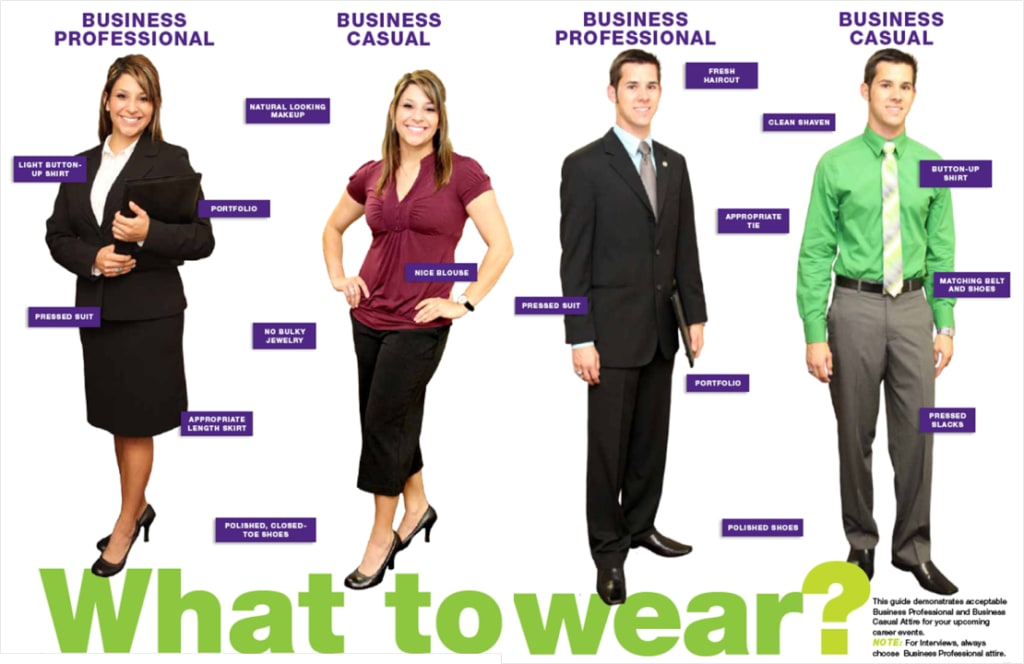
When it comes to job interviews, the first impression you make is often the most lasting one. Whether you’re fresh out of college or an experienced professional, your appearance can influence the outcome of your interview. Dressing appropriately for the role you're applying for shows that you understand the importance of professional presentation and that you are serious about the opportunity.
In this guide, we'll discuss how to dress for successful interview by offering style tips tailored to different industries and company cultures, helping you make the best impression possible. By mastering your outfit, you’ll be able to walk into any interview with confidence, ready to shine both professionally and personally.
1. Why Dressing for Success Matters
Before diving into industry-specific tips, it’s important to understand why dressing well matters. Your appearance sends a message to your potential employer. It tells them that you care about the job, respect their company, and have the professional awareness needed to fit into their work environment. A polished appearance can also positively influence how they perceive your skills and qualifications.
2. The Basics of Dressing for Success
Regardless of the industry or company culture, there are a few foundational guidelines to follow:
Fit is Key: Make sure your clothes fit well and are not too tight or too loose. Properly fitted clothes convey that you are organized and detail-oriented.
Grooming: Pay attention to your grooming habits. Make sure your hair is neat, your nails are clean, and facial hair is either well-trimmed or clean-shaven, depending on the industry.
Minimal Accessories: Keep jewelry to a minimum. A simple watch or subtle earrings are usually sufficient. Avoid overly flashy or distracting accessories.
Clean and Pressed Clothes: Ensure your clothes are wrinkle-free and clean. A well-maintained outfit reflects a sense of responsibility and professionalism.
Avoid Strong Fragrances: While personal scent can be appealing, it's best to keep it subtle for interviews. Overpowering perfumes or colognes can be distracting and may cause discomfort.
3. Dressing for Different Industries
Different industries often have different expectations for interview attire. Understanding the dress code of the industry you're interviewing for can help you tailor your outfit appropriately. Here’s how to navigate the expectations across various fields.
Corporate/Finance/Banking
In industries such as corporate, finance, and banking, the expectation is often formal attire. In these environments, looking polished and professional is paramount.
For Men:
Suit: A well-tailored suit in navy, charcoal, or black. The suit should be classic and sophisticated.
Shirt: A crisp, white or light-colored dress shirt. Avoid patterns like stripes or checks.
Tie: A conservative tie, preferably in a solid color or simple pattern. Avoid anything too bold or bright.
Shoes: Polished leather dress shoes in black or brown.
Accessories: A sleek, professional watch and minimal jewelry.
For Women:
Suit: A tailored blazer and pencil skirt or tailored trousers. A classic black, navy, or gray suit is always safe.
Blouse: A modest, well-fitted blouse in a neutral color like white, cream, or soft pastel.
Shoes: Closed-toe heels or flats in neutral tones, around 2-3 inches high.
Accessories: Simple jewelry, such as stud earrings or a delicate necklace. Keep it understated and elegant.
Creative Industries (Advertising, Marketing, Design)
In creative fields, there’s usually more freedom in how you dress, but it’s still essential to look polished. You should showcase your personal style while remaining professional.
For Men:
Suit or Smart Casual: A smart suit is still a great choice, but you can take some creative liberties with the style. Opt for a jacket with an interesting pattern or color. You might also go for a blazer and chinos combo, but make sure the fit is sharp.
Shirt: A dress shirt with a pop of color or subtle pattern. Consider adding a fashionable tie or going without one if the company culture is more casual.
Shoes: Leather loafers or polished brogues.
Accessories: A unique tie, watch, or a pair of stylish cufflinks can give your outfit a creative edge, but don’t overdo it.
For Women:
Suit or Creative Casual: You can get creative with your outfits by pairing a fitted blazer with stylish trousers or a trendy dress with a jacket. Feel free to play with colors or patterns, but ensure that the overall look is still professional.
Blouse or Top: Try a blouse with interesting textures or prints. You can wear a smart, high-neck sweater or opt for a more daring top if it’s appropriate for the company culture.
Shoes: Closed-toe flats or low heels, but you can also choose stylish ankle boots if they’re more in line with the company’s vibe.
Accessories: Statement necklaces, scarves, or a colorful handbag can show off your creativity while remaining professional.
Tech Startups
In the tech industry, especially in startups, the dress code is often casual. However, “casual” doesn’t mean sloppy, and you should always err on the side of looking sharp.
For Men:
Smart Casual: A neat, well-fitted blazer or a smart jacket paired with chinos or dark jeans. A button-down shirt or a well-fitted t-shirt under the jacket can work depending on how laid-back the company is.
Shoes: Clean, fashionable sneakers, loafers, or casual dress shoes.
Accessories: Keep it simple, perhaps with a minimal watch or bracelet.
For Women:
Smart Casual: A stylish blouse with tailored pants or a simple, sleek dress. Blazers are optional but can help elevate a more casual outfit.
Shoes: Low heels or stylish sneakers are acceptable.
Accessories: A simple statement piece like a modern necklace or a structured handbag can add flair.
Healthcare
Healthcare is a unique industry where your attire should reflect professionalism and attention to detail, but there’s often more flexibility than in finance.
For Men:
Business Casual: Depending on the role, you may opt for a button-up shirt with slacks or chinos. A jacket or blazer is a nice addition, especially for higher-level positions.
Shoes: Polished loafers or oxfords. Avoid sneakers or overly casual shoes.
Accessories: Keep it minimal—just a wristwatch or a simple tie if you feel it’s appropriate.
For Women:
Business Casual: A professional top paired with tailored pants or a pencil skirt works well. You may also wear a business dress with a light jacket or cardigan.
Shoes: Closed-toe flats, low heels, or dress shoes.
Accessories: Simple jewelry, like stud earrings or a professional watch, is ideal.
Retail and Hospitality
In retail and hospitality, especially for customer-facing roles, your appearance should be clean, neat, and presentable, but you can typically go for a more relaxed, approachable style.
For Men:
Business Casual: A button-up shirt paired with chinos or dark jeans. A smart blazer can add a polished touch but isn’t always necessary.
Shoes: Polished, clean sneakers, loafers, or dress shoes.
Accessories: Keep it simple with a watch or belt, but avoid anything too flashy.
For Women:
Business Casual: A stylish blouse and tailored pants or skirt. You can choose a dress if it’s appropriate for the company’s culture.
Shoes: Flats, low heels, or polished sneakers.
Accessories: Opt for minimal jewelry, perhaps with a colorful bag or scarf to showcase your personality.
4. Tailoring Your Look to the Company Culture
Beyond industry expectations, each company will have its own unique culture. Some companies may embrace casual, creative outfits, while others may expect a more formal appearance. It’s crucial to research the company’s culture to get a sense of what’s appropriate.
Company Website and Social Media: Look at pictures of employees (if available) or videos from the company’s social media channels. You’ll get a sense of the overall vibe.
Dress Codes in Job Descriptions: Some job postings will include clues about the company’s dress code. If the company has a casual dress code, they may mention “business casual” or “relaxed environment.”
Industry Standards: If you’re unsure, it’s always safe to dress slightly more formal than the company’s known dress code, as you can always adjust your outfit in future meetings once you have a clearer sense of the company’s expectations.
5. Final Thoughts: Dressing with Confidence
Ultimately, the key to dressing for success is to feel confident in what you’re wearing. Your outfit should make you feel empowered, comfortable, and ready to face the interview with your best foot forward. By understanding the expectations of your industry, tailoring your look to the company culture, and following basic styling guidelines, you can ensure that your appearance speaks volumes about your professionalism and readiness for the role.
So, remember: First impressions count, but the impression you leave with your dress is just the beginning. Make sure it aligns with your qualifications, enthusiasm, and personality for a memorable interview that could land you your dream job.
By following these strategies, you’ll be prepared to confidently navigate your job interviews, making sure that your appearance sets the stage for a successful and impactful conversation.
About the Creator
Keep reading
More stories from Arneeb Mahbub and writers in 01 and other communities.
Top 5 Mistakes to Avoid in Job Interviews
Job interviews are pivotal moments in any professional’s career journey. They offer an opportunity to showcase your skills, experience, and personality to a potential employer. However, even the most qualified candidates can sabotage their chances by making common yet avoidable mistakes. Whether you're a seasoned professional or a fresh graduate, being mindful of these pitfalls can significantly improve your performance and boost your chances of success.
By Arneeb Mahbubabout a year ago in Journal




Comments
There are no comments for this story
Be the first to respond and start the conversation.