
How to Design Packaging Perfect for Food Businesses
A Complete Guide to Creating Attractive, Functional, and Brand-Boosting Packaging for Food Businesses

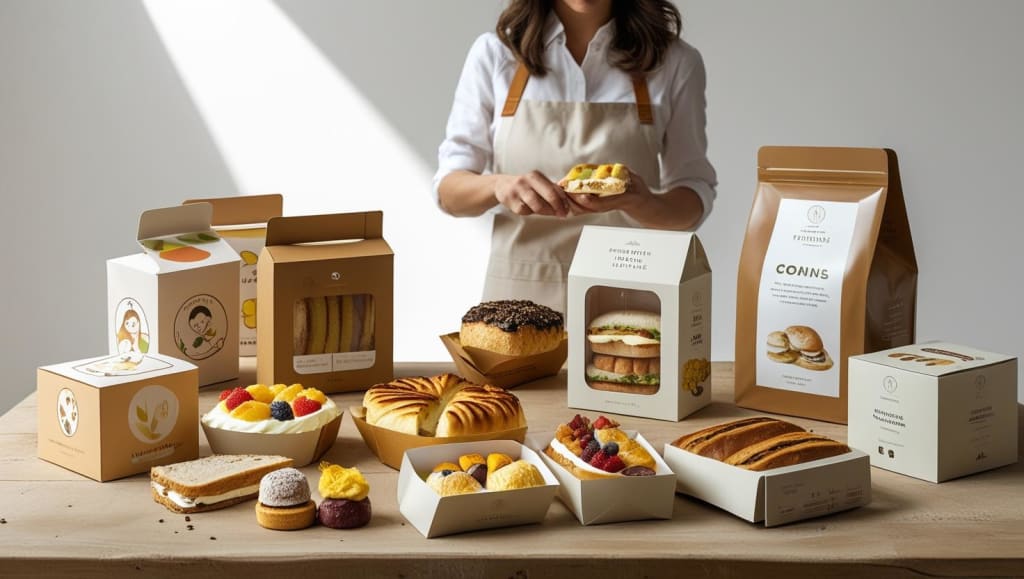
When it comes to running a food business, the taste of your product is crucial—but so is its presentation. Well-designed packaging not only keeps your food fresh but also builds your brand identity, attracts customers, and ensures compliance with regulations. In this article, we’ll explore how you can create packaging that’s practical, appealing, and tailored to your audience.
1. Understand Your Target Audience
Before you start sketching designs, you need to know who you’re selling to. Different markets have different preferences. For example, eco-conscious customers prefer recyclable materials, while premium buyers may look for elegant finishes and sturdy boxes. Your audience insights will guide every decision, from colors to typography.
2. Focus on Functionality First
Food packaging must protect the product. Whether you’re selling hot meals, frozen goods, or bakery items, consider:
- Durability – Will it survive handling and transport?
- Freshness – Does it preserve taste and texture?
- Safety – Is it made from food-grade materials?
Functionality ensures customers get their food in perfect condition, which directly impacts their trust in your brand.
3. Keep Your Branding Consistent
Your packaging is an ambassador for your business. Include your logo, brand colors, tagline, and contact details in a consistent way. Consistency reinforces recognition—when customers spot your packaging from across the room, they should instantly connect it to your brand.
4. Choose the Right Materials
From Kraft paper to biodegradable plastics, the material you choose says a lot about your brand values.
- Paperboard – Great for lightweight and eco-friendly packaging.
- Plastic – Durable but needs to be recyclable to appeal to conscious buyers.
- Glass & Metal – Ideal for premium products.
Selecting the right material also ensures compliance with food safety regulations.
5. Design with Visual Appeal
Your design should be eye-catching but not overwhelming. Use:
- Bold yet readable fonts
- High-quality images of your product
- A balanced color palette that reflects your brand personality
- Good visuals can make your product stand out in a competitive market.
6. Highlight Key Information
Every customer wants to know what they’re eating. Always include:
- Ingredients list
- Nutritional facts
- Allergen warnings
- Expiry dates
Transparency not only builds trust but also keeps you compliant with legal requirements.
7. Add Storytelling Elements
People connect with stories more than plain facts. Consider adding a short narrative about your business’s origins or your commitment to quality. This can make your packaging memorable and encourage customer loyalty.
8. Make It Practical for Customers
Think about how your customers will use your packaging. Resealable pouches, easy-carry handles, or microwave-safe containers can make your product more convenient—and customers are more likely to repurchase when the experience is smooth.
9. Consider Sustainability
Eco-friendly packaging is more than a trend—it’s a responsibility. Many consumers choose brands that show environmental care. Using compostable materials, minimal ink, or reusable containers can enhance your brand’s reputation.
10. Stay Within Your Budget
Beautiful designs don’t have to be expensive. Start small with essential elements and gradually invest in premium finishes as your business grows. Remember, great packaging balances creativity with cost-effectiveness.
11. Test Your Design Before Mass Production
Order prototypes and test them with a small group of customers. Ask for feedback on appearance, durability, and ease of use. Making adjustments before committing to bulk production can save time and money.
12. Work with Professional Designers
If you’re not confident in your design skills, collaborate with packaging experts. Professionals can blend creativity with practical knowledge, ensuring your packaging is both beautiful and functional.
13. Keep Trends in Mind
While you shouldn’t copy competitors, being aware of trends helps you stay relevant. Minimalist designs, bold typography, and sustainable packaging are popular choices right now.
14. Ensure Compliance with Food Regulations
Different regions have their own labeling and material safety requirements. Research the rules before finalizing your design to avoid costly redesigns or fines.
15. Adapt for Different Products
If your business offers multiple food items, create a design system that can be adapted for different flavors or product lines. This keeps branding consistent while adding variety.
Conclusion
Designing the right packaging for your food business is about more than looks—it’s about telling your brand’s story, protecting your product, and giving your customers an unforgettable experience. With the right balance of function, style, and compliance, your packaging can become a silent salesperson, helping your business stand out in a crowded marketplace.
About the Creator
Larry Clark
I am a dedicated and skilled professional specializing in custom packaging solutions. With a deep understanding of packaging design, I focus on creating high-quality, tailored boxes for cakes, food, and cosmetics.
Keep reading
More stories from Larry Clark and writers in 01 and other communities.
What Is The Importance of Shoe Box Dimensions?
In the footwear industry, packaging plays a far greater role than many realize. Beyond just protecting shoes during transport, the size and structure of your shoe box dimensions can influence branding, sustainability, customer satisfaction, and overall efficiency. Selecting the right dimensions is not just a practical decision it’s a strategic one that impacts the entire customer experience.
By Larry Clark7 months ago in 01
How SEO Helps Small Businesses Compete with Big Brands
Imagine you own a small business and have just launched a well-designed website. Your products are good, your services are reliable, and your pricing is competitive. Yet when you search for your industry on Google, the first page is dominated by large brands. Their names appear everywhere, making it seem almost impossible for a smaller business to gain visibility.
By Henry Davids2 days ago in 01
Hidden App Development Costs St Louis Owners Miss
The initial quote for a digital project often feels like the finish line. However, for experienced founders, it is merely the starting block. In the current market, a common disconnect exists. This is especially true within the Midwest tech corridors. Owners often miss the link between the sticker price and ownership costs.
By Devin Rosario2 days ago in 01


Comments
There are no comments for this story
Be the first to respond and start the conversation.